

Review
Everything You Need to Know About Forex Trading: A Beginner’s Guide
Forex trading involves buying and selling currencies on the global foreign exchange market to profit from changes in exchange rates, offering beginners a chance to start with low costs and round-the-clock access. This market lets you trade pairs like the euro against the dollar from anywhere with an internet connection. As a beginner, you gain exposure to worldwide economics without needing huge sums of money upfront. The process relies on predicting currency movements based on news, interest rates, and global events.
You’ll find forex appealing due to its high liquidity and low barriers to entry. Major pairs move smoothly with tight spreads, meaning you can enter and exit trades quickly. Platforms provide demo accounts for practice, so you learn without risking real cash.
Daily turnover exceeds $7.5 trillion, dwarfing stock markets. This volume comes from banks, companies, and individual traders worldwide. Such scale reduces manipulation risks and offers steady opportunities.
Now that you see the basics, let’s break down the key areas. You’ll learn what forex is, how it operates, essential terms, steps to start, and risks with management tips.
What Is Forex Trading?
Forex trading is the act of exchanging one currency for another on the world’s largest financial market, driven by supply-demand dynamics and operating 24 hours a day, five days a week. Let’s explore the details to see why it draws beginners.
Forex stands for foreign exchange, the place where currencies trade globally. Banks, corporations, governments, and retail traders participate. Central banks adjust rates to control economies, while companies hedge against currency swings in international business. Retail traders like you speculate on price changes.
The market runs nonstop from Monday to Friday, spanning sessions in Sydney, Tokyo, London, and New York. This global nature means you can trade during your local evening if needed. Daily volume hits around $7.5 trillion, per Bank for International Settlements data, making it far bigger than stocks.
Beginners like it for accessibility. You need just a computer or phone and a small deposit, often $100 or less. No central exchange exists; it’s over-the-counter via brokers connected to liquidity providers.
Why Should Beginners Consider Forex Trading?
Beginners benefit from forex’s high liquidity, low entry costs, and educational resources that allow practice before real trades. Liquidity ensures quick trades at fair prices, with major pairs like EUR/USD handling billions daily. This cuts slippage, where your fill price differs from expected.
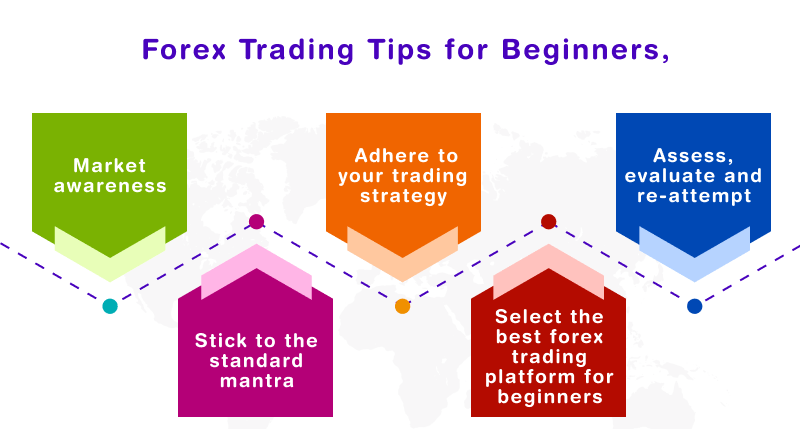
Low barriers mean micro accounts start at $10-$50. Brokers offer leverage up to 1:500, so $100 controls $50,000. But use it carefully, as it amplifies losses too.
For example, platforms include free webinars, tutorials, and demo accounts. You practice strategies like trend following without loss. Data shows 70% of beginners use demos first, building confidence.
Accessibility shines with mobile apps. Trade from anywhere, anytime. Economic calendars track events like US jobs reports, which move markets predictably.
How Big Is the Forex Market Compared to Stock Markets?
The forex market processes over $7.5 trillion daily, 50 times the New York Stock Exchange’s $150 billion average. This scale comes from diverse participants needing currency for trade and investment.
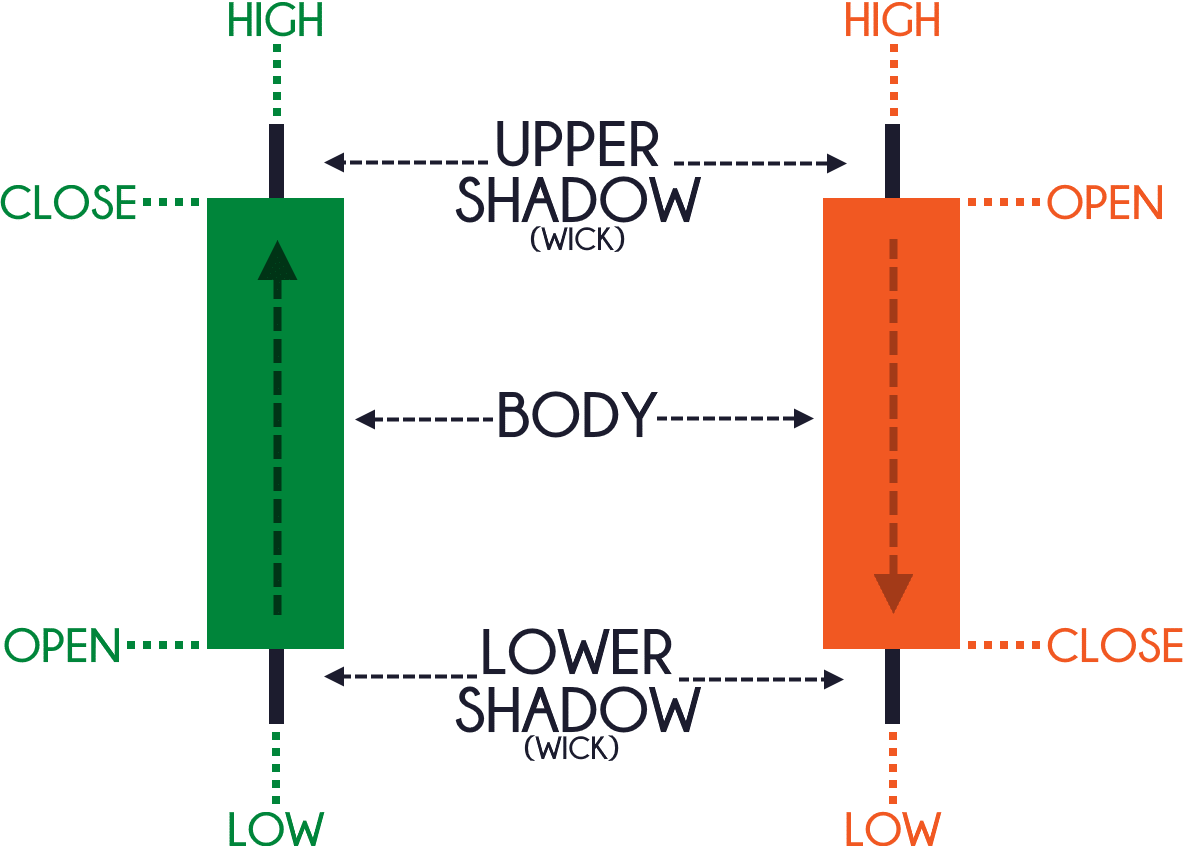
Stock markets focus on company shares during set hours. NYSE operates 9:30 AM to 4 PM ET, with lower volume. Forex never closes fully, linking major centers.
For instance, London’s session overlaps New York, spiking activity to $2-3 trillion. Stocks face weekend gaps from news; forex smooths via Asia.
BIS triennial surveys confirm forex dominance. In 2022, spot trading alone hit $2.1 trillion daily. Stocks total $200 billion across exchanges. This liquidity lowers costs for beginners, with spreads under 1 pip on majors.
How Does Forex Trading Work?
Forex trading works by buying one currency while selling another in pairs, profiting from rate changes via bid/ask prices during global sessions. Here’s the breakdown of core mechanics.
You speculate on pairs like EUR/USD. If you think the euro strengthens against the dollar, buy. Sell when it weakens. Profits come from the difference.
Bid is the buy price; ask is the sell price. Spread is the gap, your broker’s fee. Tight spreads on majors mean low costs.
Market structure decentralizes across banks and brokers. Sessions matter: Tokyo (night US time) suits yen pairs, London/NY for euros and dollars.
Pips measure change: fourth decimal on most pairs. EUR/USD from 1.1000 to 1.1001 is 1 pip.
What Are Currency Pairs and Majors/Minors/Exotics?
Currency pairs group into majors (EUR/USD, USD/JPY), minors (EUR/GBP), and exotics (USD/TRY) based on liquidity and involvement of the US dollar. Base currency sits first, quote second. EUR/USD means euros per dollar.

Majors, seven total, include USD with euro, yen, pound, etc. They cover 80% volume, tight spreads (0.5-1 pip).
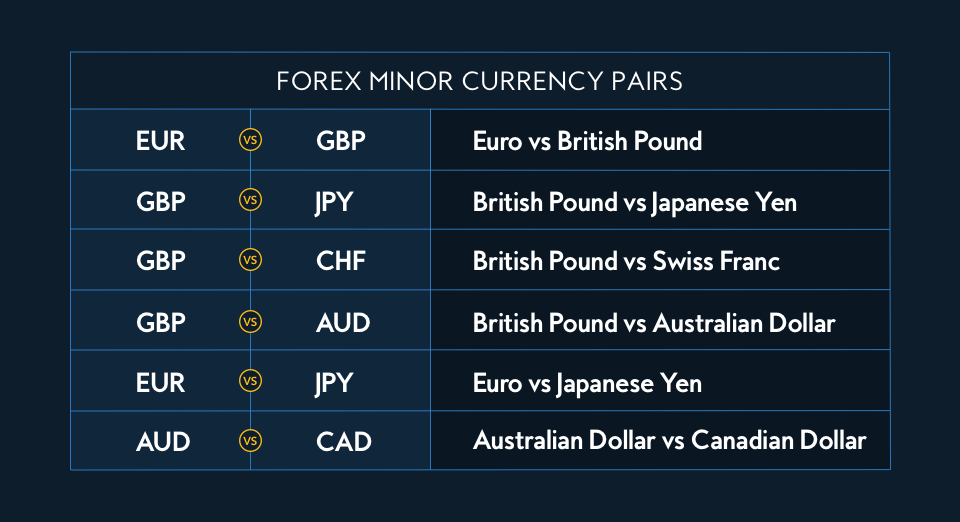
Minors lack USD, like GBP/AUD. Higher spreads (2-5 pips), but good volatility.
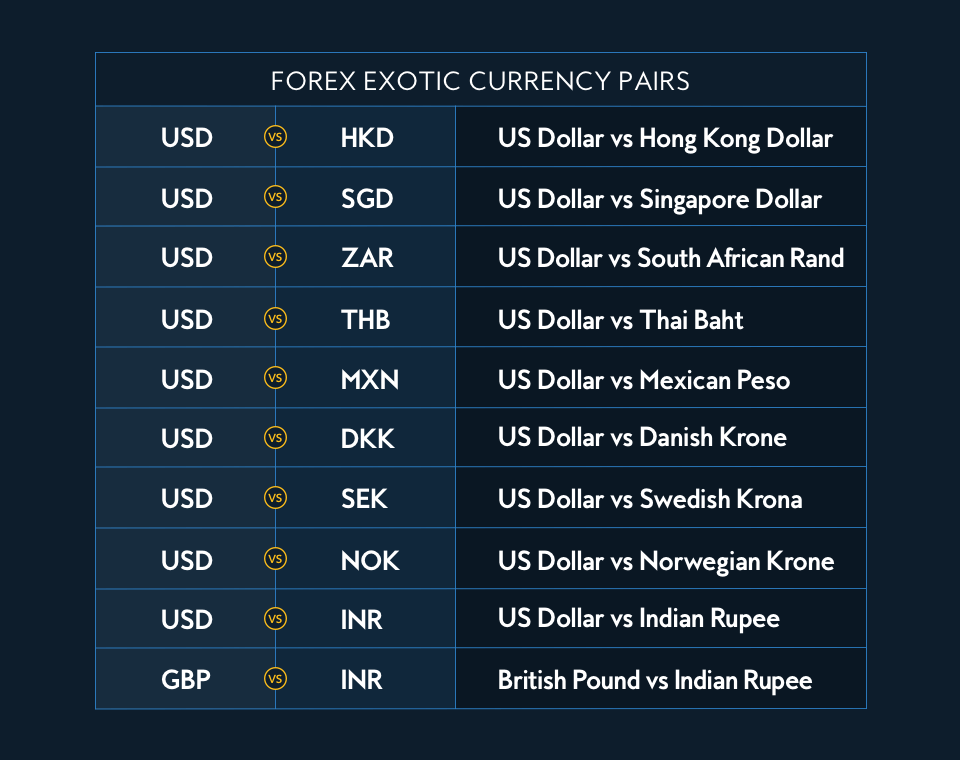
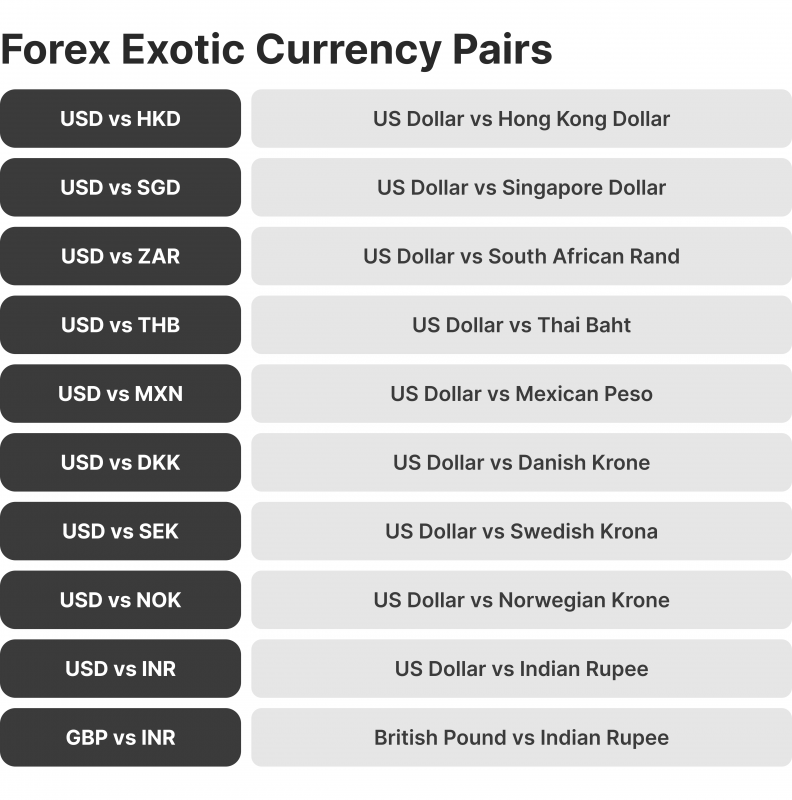
Exotics pair majors with emerging currencies, like USD/ZAR. Wider spreads (20+ pips), higher risk from politics.
For example, EUR/USD trades 1.08 now; buy low, sell high. Majors suit beginners for predictability.
What Are Pips, Lots, and Leverage?
Pips measure price moves (0.0001 for most pairs), lots set trade size (1 lot = 100,000 units), and leverage multiplies capital (1:100 means $1,000 controls $100,000). Pips calculate profit: 50-pip gain on 1 lot equals $500.
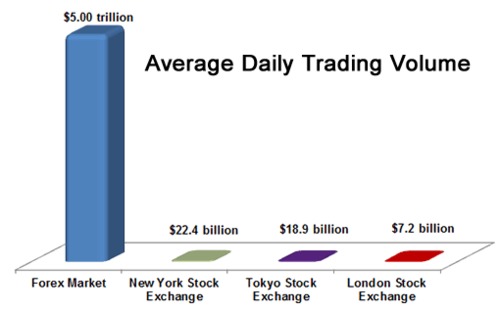
Standard lot is 100,000 base units. Mini (10,000), micro (1,000) fit small accounts.
Leverage boosts reach but risks wipeouts. A 1% move against you on 1:100 loses your full stake.
For instance, risk 1 lot EUR/USD at 1.1000, target 1.1050 (50 pips). Use calculators for precision.
What Are the Essential Terms Every Forex Beginner Must Know?
Essential terms include pip (price increment), spread (buy-sell gap), lot size (trade volume), margin (deposit needed), and swap (overnight fee). To understand this better, group them into measurement, costs, and account basics.
Pips: Smallest move, like 0.0001. JPY pairs use 0.01.
Spread: Broker cost, 1 pip on EUR/USD means enter at 1.1001, exit 1.1000.
Lot size: Scales risk. Micro lot risks $0.10 per pip.
Margin: Collateral for leverage. 1% margin on $100,000 lot needs $1,000.
Swap: Interest for holding overnight. Positive or negative based on rates.
These build your foundation. Track them on charts.
What Is a Trading Platform?
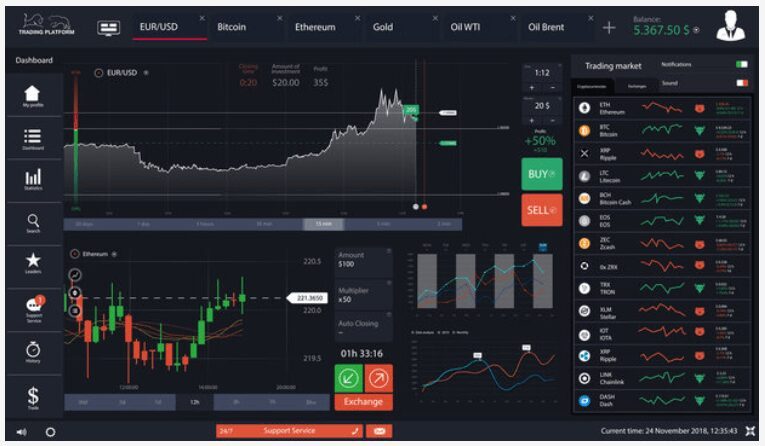
A trading platform is software like MetaTrader 4 (MT4) or MetaTrader 5 (MT5) for charting, analysis, and executing forex trades. MT4 dominates with simple interface, 30+ indicators.

Download from brokers, log in with credentials. Charts show candlesticks for price action.
For example, attach moving averages to spot trends. One-click trading speeds execution.
MT5 adds more assets, faster speeds. Both support EAs for automation.
What Is a Demo Account?
A demo account simulates real trading with virtual money, letting beginners test strategies risk-free. Brokers offer unlimited virtual funds, identical to live markets.

Sign up, download platform, trade as if real. Track performance to build habits.
For instance, practice stop-loss on volatile news. Most transition to live after 1-3 months profitable demo.
How Do You Get Started with Forex Trading?
Get started with forex through 5 steps: learn basics, pick a regulated broker, open a demo account, verify identity, and fund a live account for small trades. Let’s see the full process.
1. Educate via free resources: Babypips.com course covers all.
2. Research brokers.
3. Practice demo 1-3 months.
4. Verify with ID.
5. Deposit $100+, start micro lots.
Expect steady learning; first profits take time.
How to Choose a Forex Broker?
Choose a broker regulated by FCA, ASIC, or CySEC, with low spreads, fast execution, and MT4/MT5 support. Regulation protects funds; FCA segregates client money.
Compare spreads: 0.5 pips on EUR/USD ideal. Check execution speed under 100ms.
For example, test demos from IC Markets or Pepperstone. Read reviews on Trustpilot.
Look for no-requote policy, negative balance protection.
What Are the First Steps After Opening an Account?
After opening, download MT4/MT5, set up charts, practice demo trades, then place a micro lot trade with stop-loss. Log in, customize workspace with indicators.
Place first trade: Buy EUR/USD, set take-profit 20 pips away.
Verify funding methods like cards or PayPal. Start with 0.01 lots.
What Are the Main Risks in Forex Trading and How to Manage Them?
Main risks include leverage amplification, market volatility, and emotional decisions; manage with stop-loss orders, 1-2% risk per trade, and position sizing. Specifically, leverage turns small moves deadly without limits.
Volatility spikes on news, wiping leveraged positions. Emotions lead to revenge trading.
Stop-loss auto-exits at loss limit. Risk 1% of account: $10,000 account risks $100 max.
Position size formula: Risk / (stop-loss pips * pip value).
Journal trades to curb emotions.
Is Forex Trading Suitable for Everyone?
No, forex trading suits those with discipline and risk capital, not everyone, due to 70-80% retail loss rates from leverage and volatility. Stats from regulators show most lose. It demands time, not gambling.
Only use disposable funds. If stressed by losses, avoid.
What Basic Strategies Help Mitigate Risks?
Basic strategies use stop-loss always, risk 1-2% per trade, and trade with trend via moving averages. Follow rules: No trade without plan.

Trend strategy: 50-period MA uptrend, buy pullbacks.
Support/resistance: Enter at levels, exit predefined.
Backtest on demo. These cut losses, let winners run.
What Are Expert Advisors (EAs) and How Do They Enhance Forex Trading?
Expert Advisors (EAs) are automated software programs designed for MetaTrader 4 (MT4) and MetaTrader 5 (MT5) platforms that execute Forex trades based on predefined algorithms, enhancing trading by enabling 24/5 operation, backtesting, and customization without human intervention.
Furthermore, these tools allow beginners to scale up from manual strategies by automating complex processes.
What Types of Forex EAs Exist?
Forex EAs come in various types, each suited to specific market conditions and trading styles. Scalping EAs focus on making numerous small trades to capture minor price movements, often in high-liquidity pairs like EUR/USD. They thrive in volatile sessions but require low spreads. Trend-following EAs identify and ride major market trends using indicators such as moving averages or MACD, holding positions longer for bigger profits. Grid EAs, meanwhile, place buy and sell orders at fixed intervals around the current price, profiting from ranging markets without predicting direction.

You’ll notice that choosing the right type depends on your risk tolerance and market analysis. Scalping suits aggressive traders, while trend-followers prefer directional moves.
This variety raises a question: how do you match an EA to your style?
- Scalping EAs excel in short timeframes like M1 or M5 charts, aiming for 5-10 pips per trade.
- Trend-following EAs use filters like ADX to confirm momentum, reducing false signals.
- Grid EAs adjust lot sizes dynamically to manage drawdowns in sideways markets.
How Do Expert Advisors Differ from Manual Trading?
Expert Advisors differ from manual trading primarily in speed and emotion-free execution, allowing trades to happen instantly based on algorithms, while manual trading relies on human discretion that can delay entries or introduce biases like fear and greed. EAs process vast data in seconds, spotting opportunities humans might miss, such as subtle breakouts during news events. Manual traders, however, can adapt to unforeseen changes, like geopolitical shifts, using intuition.

In practice, EAs remove psychological pitfalls, maintaining discipline during losing streaks. Yet, they lack the flexibility to override rules intuitively.
What happens when markets turn unpredictable? EAs stick to code, potentially amplifying losses if parameters fail.
- EAs operate continuously across 24/5 sessions, unlike manual traders limited by sleep or work.
- Emotion-free decisions prevent overtrading, a common manual error leading to account blowouts.
- Backtesting on historical data lets EAs prove strategies before live use, something manual traders learn through costly experience.
What Is the Difference Between Forex EAs and Stock Trading Bots?
Forex EAs and stock trading bots share automation roots but diverge due to market structures: Forex runs 24/5 with high leverage, enabling constant execution, while stocks operate limited hours with stricter regulations. Forex EAs on MT4/MT5 leverage up to 1:500, amplifying small moves, whereas stock bots face exchange hours (e.g., NYSE 9:30 AM-4 PM ET) and lower leverage, focusing on volume or earnings plays.
Forex’s decentralized nature suits EAs for scalping global pairs, but stocks demand bots attuned to halts or after-hours gaps. Leverage in Forex heightens both profits and risks compared to stocks’ margin limits.
How does this affect beginner choices? Forex EAs demand robust risk management amid volatility.
- Forex EAs handle cross-border liquidity without centralized shutdowns, unlike stock bots pausing for holidays.
- High Forex leverage (1:100+) requires tight stops, while stock bots prioritize position sizing for dividends.
- MT4/MT5 EAs integrate economic calendars seamlessly, adapting to Forex news, beyond typical stock API limits.
How Can Beginners Safely Test and Use Forex EAs?
Beginners can safely test Forex EAs through backtesting on historical MT4/MT5 data, forward testing on demo accounts, and VPS deployment for uninterrupted 24/5 runs. Start by downloading an EA from a store like Forex Expert Advisor Store, then use the Strategy Tester in MT4/MT5: select quality tick data, set parameters, and review metrics like profit factor (>1.5 ideal) and maximum drawdown (<20%).

Forward testing simulates live conditions on a demo for 1-3 months, catching issues like slippage. A VPS ensures low latency, preventing trade misses from PC shutdowns.
Why prioritize this sequence? It builds confidence without risking capital.
- Backtest across multiple years and pairs to validate robustness, tweaking inputs for optimization.
- Forward test with real spreads from your broker, monitoring win rate and equity curve stability.
- Deploy on VPS with auto-restart features, starting with micro-lots (0.01) on live accounts after proven results.
David Rodriguez
Senior Forex Analyst at ForexEAshop
David Rodriguez has over 8 years of experience in forex trading and market analysis. He specializes in institutional trading strategies and has helped thousands of traders improve their performance through his educational content and trading tools.