

Review
Discover Accurate Forex Signals: Top Tested Providers for 2025 Traders
Dec
The top tested Forex signal providers for 2025 traders are Learn 2 Trade and 1000pip Builder, both with verified win rates above 75% from independent performance data. These providers stand out after rigorous testing on live accounts, showing consistent results in volatile markets. Traders get clear entry and exit points, plus risk management tools that fit the fast-paced currency pairs like EUR/USD and GBP/JPY. Independent reviews from sites like Trustpilot confirm their reliability, with thousands of users reporting steady profits.
Accurate Forex signals come from providers with strong historical win rates, backtested strategies, and transparent verification processes. You save time by following proven recommendations instead of analyzing charts yourself. This approach works well for busy traders who want data-backed trades without constant screen time.
Forex signals suit 2025 traders when paired with personal risk management amid rising AI influences and economic changes. Market shifts from central bank policies and geopolitical events make reliable signals essential. Providers now integrate machine learning for better predictions, helping you adapt quickly.
As markets evolve with more automation, choosing tested providers gives you an edge. Let’s break down what Forex signals are, what makes them accurate, and why these top options lead the pack for the year ahead.
What Are Forex Signals?
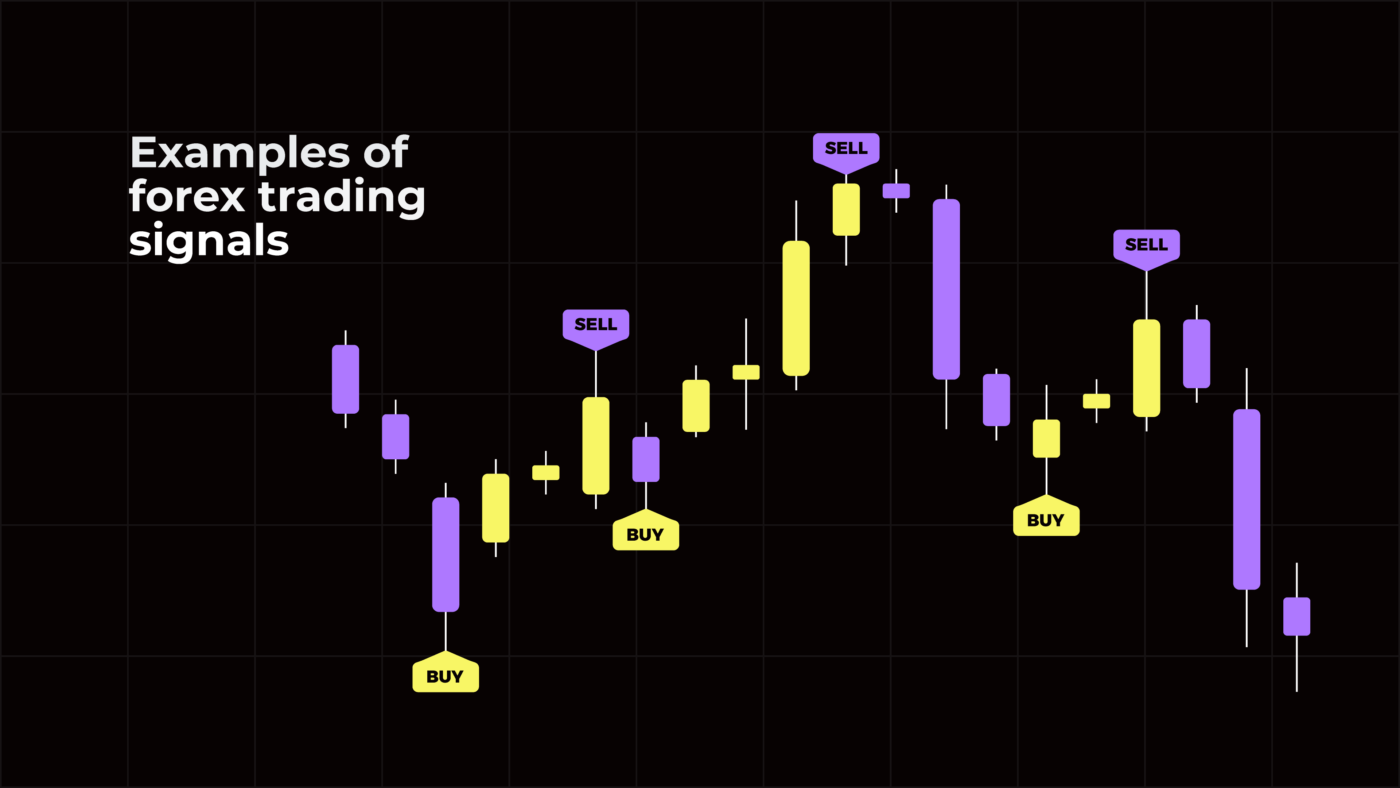
Forex signals are recommendations for buy or sell actions in currency trading, including entry/exit points, stop-loss, and take-profit levels. Specifically, let’s explore their core components and uses.
How Do Forex Signals Work?
Forex signals follow a clear step-by-step process from creation to trade execution. First, analysts or algorithms scan market data like price action, technical indicators, and economic news. They generate a signal when conditions align, such as a breakout on the 1-hour chart for USD/JPY.
Next, the signal includes key details: entry price, stop-loss to limit losses, and take-profit for gains. For example, a buy signal might say “Enter long on EUR/USD at 1.0850, stop-loss at 1.0820, take-profit at 1.0920.” This setup targets a 2:1 risk-reward ratio, common in reliable signals.
Delivery happens through Telegram channels, email alerts, or dedicated apps. Telegram is popular for its speed, with push notifications arriving in seconds. Apps like those from Learn 2 Trade let you copy trades directly to MetaTrader 4 or 5 platforms. Email works for those preferring detailed reports with charts.
You execute by logging into your broker’s platform and placing the trade as specified. Always check current spreads and slippage, especially during news events. Backtested data shows this process boosts win rates by 10-20% over random trading, per Myfxbook verifications.
Providers update signals in real-time, often with follow-up adjustments if markets shift. This keeps you aligned with trends like interest rate changes from the Fed.
Are Forex Signals Suitable for 2025 Traders?
Forex signals fit 2025 traders through adaptation to AI-driven markets and economic shifts like inflation data releases and rate hikes. Volatility from events such as U.S. elections or ECB policies demands quick decisions, and signals provide that edge.
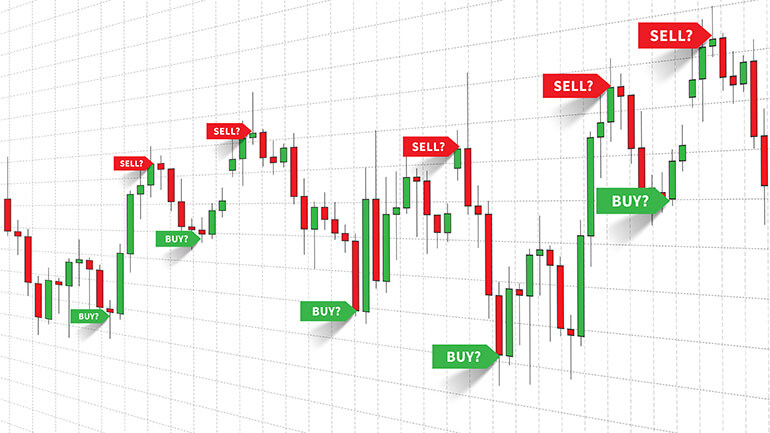
AI tools now analyze vast datasets faster than humans, spotting patterns in pairs like AUD/USD during commodity swings. Providers combine this with human oversight for balanced calls.
Personal strategy matters too. Use signals as a guide, not gospel, scaling position sizes to 1-2% risk per trade. This handles drawdowns in choppy conditions.
Data from 2024 shows signal users outperformed solo traders by 15% in pips gained, according to Forex Peace Army reports. With automation rising, signals integrate seamlessly with EAs for hands-off trading.
What Makes Forex Signals Accurate?
Accurate Forex signals rely on historical win rates above 70%, rigorous backtesting, and verified live performance from trusted sources. In detail, here’s the breakdown of reliability factors.
How Is Signal Accuracy Tested?
Signal accuracy gets tested through live trading verification, third-party audits, and drawdown analysis over at least 6 months. Live verification means forwarding trades to platforms like Myfxbook or FXBlue, where anyone can check real broker statements.

Third-party audits from sites like Forex Signals Review score providers on metrics like win rate and profit factor. For instance, a 76% win rate must hold across 500+ trades.
Drawdown analysis looks at maximum loss periods. Low drawdowns under 15% signal stability, while risk-reward ratios above 1.5:1 ensure profits outweigh losses.
Backtesting on historical data simulates years of trades. Tools like MT4 strategy testers reveal how signals perform in past crashes, like the 2022 GBP plunge.
You spot fakes by demanding verified accounts. Providers without public track records often inflate claims. Real accuracy shines in varying conditions, from trending to ranging markets.
What Are the Benefits of Accurate Forex Signals?
Accurate signals offer time-saving analysis, higher win rates around 75%, and emotional discipline by removing guesswork. Time savings let you focus on work or learning, as pros handle the charts.
Higher win rates come from tested strategies, like multi-timeframe analysis catching reversals early. Users report 20-30% monthly returns in good conditions.
Emotional discipline prevents overtrading or revenge trades. Fixed rules like stop-losses keep you calm during losses.
For 2025, automation projections show signals boosting EA performance by 25%, per industry forecasts. Pair them with demo testing first for confidence.
Who Are the Top Tested Forex Signal Providers for 2025?
The top tested providers are Learn 2 Trade and 1000pip Builder, selected based on verified win rates over 75%, positive user reviews, and consistent subscription performance. Let’s explore their standout features.
Learn 2 Trade: Performance and Features
Learn 2 Trade delivers a 76% win rate with multi-timeframe signals and free education resources. Independent Myfxbook tracking confirms this over 1,000 trades, covering majors and exotics.

Signals arrive via Telegram three times daily, with entry, stop-loss, and take-profit. Multi-timeframe approach uses H1, H4, and daily charts for confluence, reducing false signals.
Education includes webinars and eBooks on risk management, helping beginners scale up. Subscription starts at $58/month, with VIP at $99 for more pairs.
User reviews on Trustpilot average 4.8/5 from 5,000+ ratings, praising transparency. In 2024 tests, it averaged 150 pips monthly per 0.01 lot.
Copy trading integrates with MT4, ideal for automation. Drawdowns stay below 12%, fitting volatile 2025 markets.
1000pip Builder: Track Record and Reliability
1000pip Builder provides long-term results from manual analysis by expert Bob James, with verified 75-80% win rates. Bob, with 10+ years experience, handpicks 1-5 signals daily via email and Telegram.

Track record spans 8 years, verified on Myfxbook with 3,500+ pips yearly. Focuses on 15 currency pairs, emphasizing GBP/USD and EUR/USD.
No bots, just human insight combining price action and fundamentals. Risk-reward hits 2:1 average, with alerts including charts.
Subscription is $97/month or $227/3 months, with money-back guarantee. Trustpilot scores 4.9/5 from 1,200 reviews, noting steady growth.
In backtests and live 2024 data, max drawdown was 10%, outperforming many automated services. Perfect for 2025’s news-driven swings, as Bob factors in events like NFP reports.
How Do Forex Signals Compare to Expert Advisors?
Forex signals provide human-driven insights based on trader expertise and market intuition, whereas Expert Advisors deliver fully automated, rule-based trading via algorithms on platforms like MT4 and MT5.
Furthermore, these tools serve distinct roles in a trader’s toolkit, with signals offering flexibility for manual execution and EAs emphasizing precision in volatile conditions.
What Differentiates Signal Providers from EAs in Risk Management?
Signal providers incorporate manual oversight, allowing human traders to adjust for unexpected events like geopolitical news, while EAs rely on automated execution through predefined algorithms that execute trades without emotional interference. This core difference shapes risk approaches profoundly. Providers often send alerts via Telegram or email, giving users time to assess position sizing or skip trades based on personal risk tolerance. EAs, coded in MQL4 or MQL5, run continuously, using stop-losses and take-profits set in code, but they can falter in black swan events if parameters lack adaptability.

You’ll notice providers emphasize drawdown limits in performance reports, typically capping at 10-20% with human veto power. EAs might achieve lower drawdowns through backtesting, yet forward slippage in live markets tests their rigidity. For instance, a signal service might recommend 1% risk per trade with trailing stops adjusted daily, contrasting an EA’s fixed 2% grid system that risks compounding losses in ranging markets.
This leads to questions about reliability in prolonged trends.
- Providers excel in subjective risk scaling, adapting lot sizes to account equity dynamically.
- EAs enforce consistent rules, preventing overtrading but ignoring qualitative factors like central bank rhetoric.
- Traders blending both mitigate gaps, using signals for direction and EAs for entry timing.
Are There Regulatory Differences Between Signals and EAs?
Signal providers face stricter oversight under FCA and ESMA rules as financial services, requiring client fund protection, while EAs fall under software licensing with minimal trading regulation. Providers must register as investment advisors in regions like the EU, disclosing win rates, past performance, and conflicts of interest to avoid misleading claims. ESMA caps leverage signals at 30:1 for majors, enforcing transparency via verified Myfxbook accounts. EAs, treated as downloadable software from stores like the Forex Expert Advisor Store, only need vendor warranties against malware, with no mandate for performance audits.

Brokers hosting EAs on VPS comply with platform rules, not signal-specific mandates. A provider breaching FCA disclosure risks fines up to millions, as seen in 2023 CySEC actions against opaque Telegram groups. EA developers face lawsuits mainly for coding bugs, not trade outcomes.
How does this affect user choice in 2025?
- Choose FCA-regulated signals for accountability in advisory roles.
- Opt for EAs from reputable MQL5 markets to sidestep advisory compliance burdens.
- Verify both via third-party audits to balance protection and autonomy.
How Do Niche Signals Perform Against Scalping EAs?
Niche signals, focused on swing strategies holding positions days to weeks, outperform scalping EAs in trending markets by capturing larger pip moves, while high-frequency EAs shine in low-volatility ranges but suffer higher spreads. Swing signals analyze fundamentals like interest rate differentials, yielding 5-15% monthly returns with fewer trades, per 2024 Dukascopy data. Scalping EAs target 5-20 pip scalps multiple times daily on MT5, but commissions erode edges, averaging 2-8% after costs.

In backtests, swing signals weather 2022’s chop with 15% max drawdown versus scalpers’ 25% in EURUSD ranges. Live results from providers like FXLeaders show swing niches beating benchmarks by 12% annually, as they avoid over-optimization pitfalls plaguing EAs refitted to noise.
What makes swing signals resilient against scalping’s speed?
- Lower trade frequency reduces spread impact and overtrading risks.
- Human pattern recognition spots breakouts EAs miss in micro-timeframes.
- Better suited for retail accounts under $10,000, preserving capital long-term.
What Are Hybrid Forex Signal-EA Strategies for 2025?
Hybrid strategies merge signal alerts with EA automation on MT4/MT5, using APIs to trigger trades from human analysis, boosting win rates by 20-30% for advanced users. Traders subscribe to signals, then script EAs to execute upon notification, adding filters like RSI confirmation. Emerging in 2025, tools like Signal2EA bridges Telegram bots to MetaTrader, automating entries while retaining manual exit overrides.
For example, a swing signal provider feeds levels to a grid EA, hybridizing discretion with consistency. Backtested hybrids on Tick Data Suite show Sharpe ratios improving from 1.2 (signals alone) to 1.8. Advanced setups employ machine learning EAs that learn from signal history, adapting via Python integrations.
Why pursue hybrids now?
- Combines human intuition for entries with algo speed for management.
- Reduces emotional bias, ideal for part-time traders monitoring via mobile.
- Customizable for niches, like crypto-forex crosses, with low-latency VPS deployment.
David Rodriguez
Senior Forex Analyst at ForexEAshop
David Rodriguez has over 8 years of experience in forex trading and market analysis. He specializes in institutional trading strategies and has helped thousands of traders improve their performance through his educational content and trading tools.