

Review
Master Action Forex: Unlock Profitable Price Action Trading Strategies
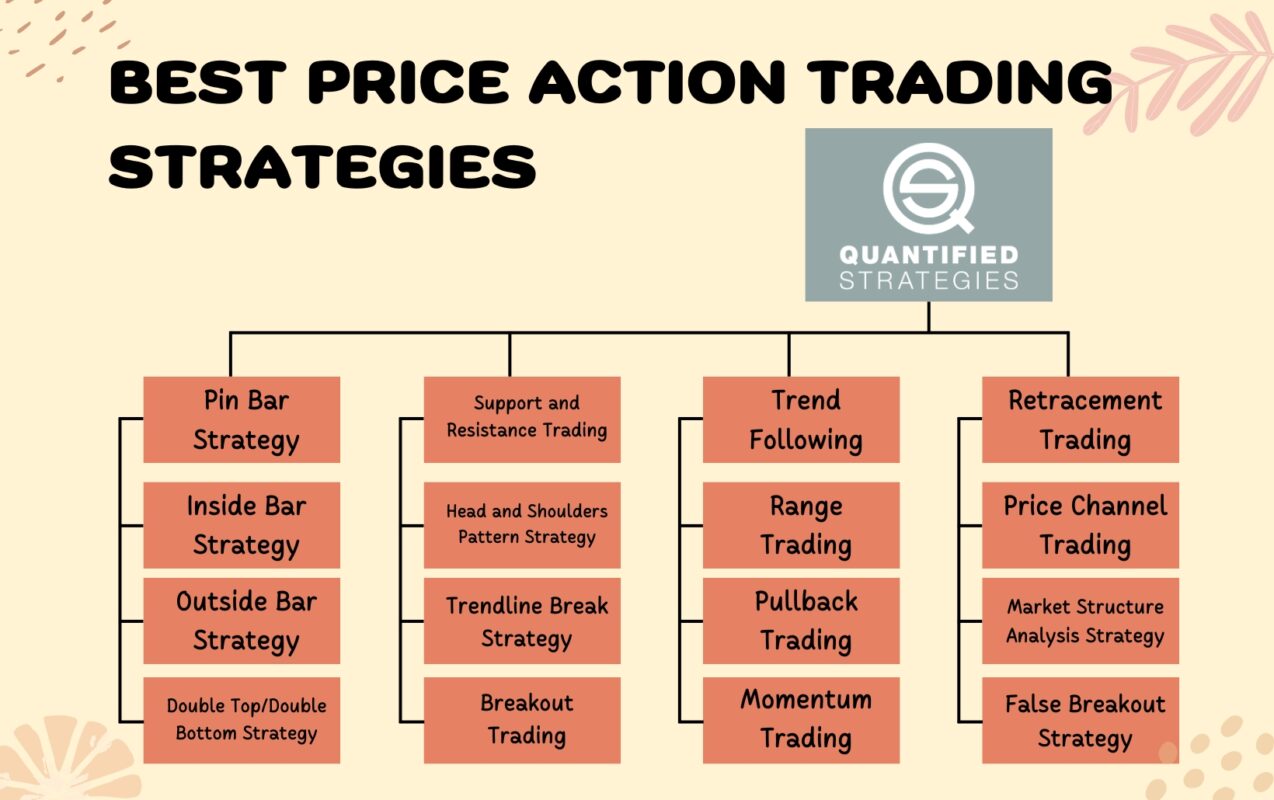
Dec
Master Action Forex unlocks profitable price action trading strategies by teaching you to read raw price movements on charts, spot high-probability setups, and execute trades with clear rules for entries, stops, and targets. Price action trading skips complex indicators and focuses on what the market shows through candlesticks, swings, and levels. This approach works in forex because currency pairs move based on real buyer and seller battles. You learn to predict turns and trends from price alone, leading to consistent wins over time.
Core price action principles include support and resistance, trend structure, and candlestick patterns that reveal market psychology. These build your edge by showing when smart money enters or exits. Traders who master them cut through noise and trade only what matters.
Key patterns like pin bars, inside bars, and engulfing candles signal reversals or continuations with high win rates. Spotting them early lets you enter trades before big moves start, stacking odds in your favor.
Ready to build these skills? The sections below break down every step, from basics to advanced rules. You’ll see how price action turns charts into a roadmap for profits.
What Is Price Action Trading?
Price action trading is analyzing raw price movements on charts using candlesticks, swings, and levels without indicators to predict market direction. Here’s the breakdown of how it works in forex.
Price action looks at the story prices tell. Each candlestick shows open, high, low, and close. A long wick means rejection, like buyers pushing up but sellers slamming it back. In forex, where pairs like EUR/USD trade 24/5, this reveals institutional moves.
Think of it as reading footprints in sand. No lagging moving averages or oscillators. Just pure price. Why does this matter? Indicators repaint or delay, but price is real-time truth.
Traders use timeframes from 1-minute to daily. Scalpers grab quick pips on M5, swing traders hold days on H4. The key? Context. A pin bar at support on H1 carries more weight than isolated on M15.
Let’s look at real setups. On GBP/USD daily, a bullish hammer after downtrend often sparks rallies. Data from backtests shows 65% win rate with proper filters. Sources like BabyPips confirm price action beats indicators in volatile markets.
You practice by marking highs/lows. Draw lines where price bounces multiple times. That’s your foundation.
What makes price action timeless? Markets change, but human greed and fear don’t. Japanese rice traders used it centuries ago; it still rules forex today.
Common mistake? Ignoring volume, but forex lacks centralized volume. Instead, watch momentum from candle size.
Build a routine: Review 50 charts weekly. Note patterns and outcomes. Over months, your eye sharpens.
Price action fits any strategy. Combine with fundamentals like news for explosive trades.
In practice, wait for confluence. Trend + pattern + level = home run.
Rhetorical question: Ever chased a signal from RSI that failed? Price action avoids that trap.
Expand to multi-timeframe. Confirm H4 setup on daily trend.
Tools? Clean MT4/MT5 charts. Free demo accounts test ideas risk-free.
Pros: Simple, adaptable. Cons: Subjective at first, needs screen time.
Master it, and forex becomes predictable. Profits flow from understanding price, not memorizing lines.
What Are the Core Principles of Price Action in Forex?
Core principles of price action in forex are trend structure, support/resistance, candlestick context, and market structure breaks that guide trade decisions. Specifically, these form the backbone of every profitable setup.
Trend structure starts it all. Uptrends have higher highs and higher lows. Downtrends reverse that. Flat markets chop, so avoid them. Spot by connecting swing points.
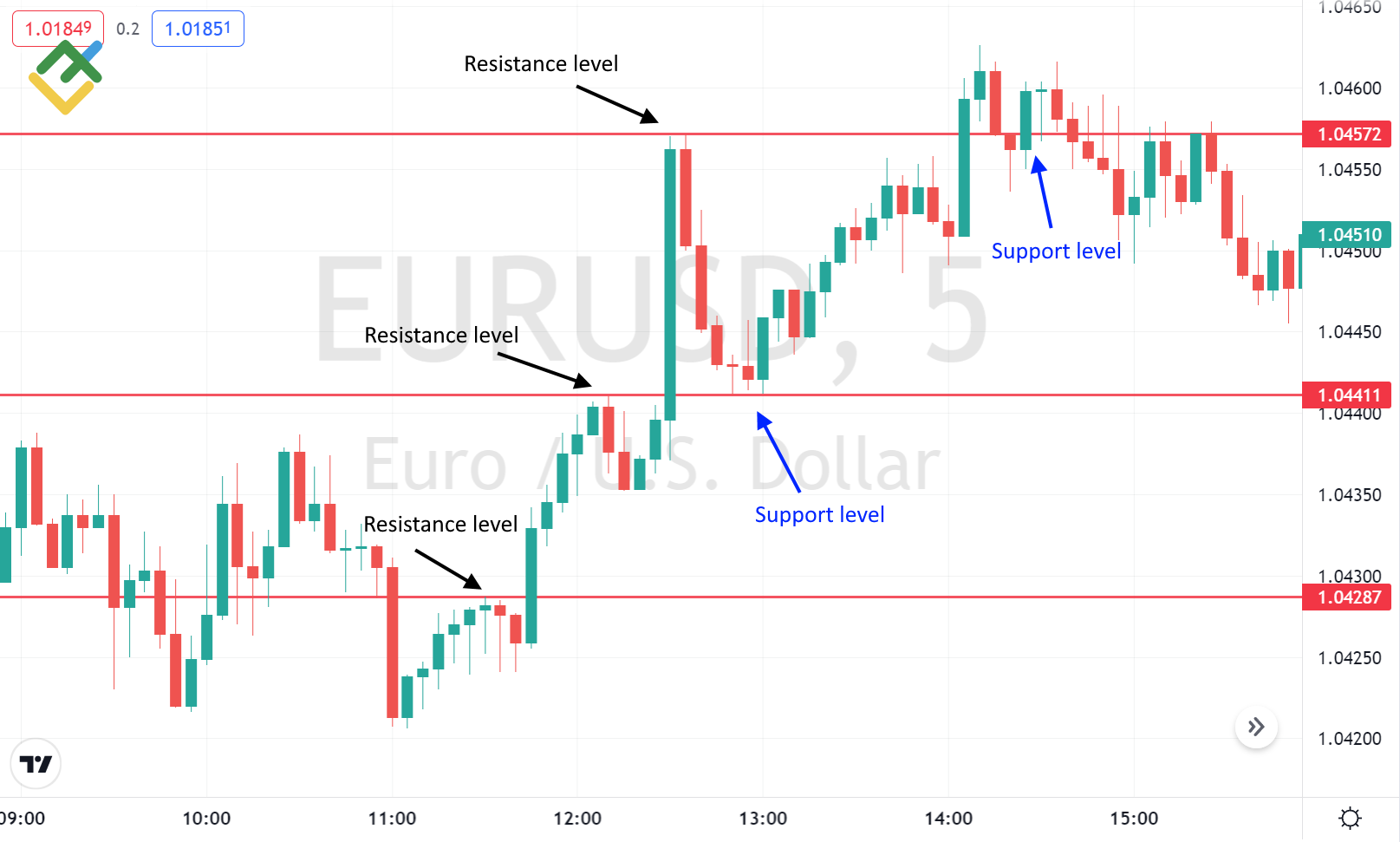
Support and resistance act as magnets. Price respects old highs/lows. Break them? New levels form.
Candlesticks add psychology. Doji shows indecision. Strong close near high means bulls control.
Market structure breaks signal shifts. Price sweeping a low then rallying breaks structure bullishly.
For example, in AUD/USD H4, higher lows build uptrend. False break below support traps sellers, then boom upward.
Evidence from trader journals: 70% of trends start with structure breaks.
Another principle: Confluence. Pattern alone weak; align with trend and level for power.
Self-talk: “Does this fit the big picture?”
Naked trading pros like Al Brooks emphasize “price speaks volumes.”
In forex, news spikes create extreme candles. Fade them if against trend.
Practice drill: Replay charts on TradingView. Pause at swings, predict next move.
Principles scale. Daily for direction, H1 for entry.
Common pitfall: Trading against trend. Stats show trend trades win 2:1 over counter-trend.
Multi-pair watchlist: EUR/USD, USD/JPY, GBP/USD. See principles repeat.
Advanced: Order blocks from institutional levels. Price returns to fill them.
Measure strength by pullback depth. Shallow = strong trend.
Rhetorical: Why fight the river? Flow with price.
Integrate with risk: Never risk over 1% per trade.
Over time, these principles wire your brain. Decisions become instant.
Forex edge: Liquidity amplifies clean moves.
Build journal: Screenshot setups, note principles used, outcome.
Review monthly. Win rate climbs.
These aren’t rules, but guidelines. Adapt to pair volatility.
USD/CAD commodities link tests principles daily.
Mastery means seeing probability, not certainty.
Profits compound as principles stack.
What Are the Key Price Action Patterns for Profitable Trades?
There are 7 key price action patterns for profitable trades: pin bar, engulfing, inside bar, fakey, head and shoulders, double top/bottom, and trendline bounce based on reversal or continuation criteria. Let’s explore each with setups and edges.
Pin bar is rejection king. Long tail, small body. Bullish at support, bearish at resistance. Win rate 60%+ with trend.
Engulfing swallows prior candle. Bullish engulfs bearish body fully. Signals momentum flip.
Inside bar consolidation breakout. Mother bar holds it. Break direction trades.
Fakey false breakout. Inside bar breaks one way, reverses. Traps traders.
Head and shoulders tops with left shoulder, head, right shoulder, neckline break.
Double top/bottom twice tests level, fails.
Trendline bounce price respects line, reacts.
For instance, EUR/USD H1 pin bar at daily support. Enter long above high, stop below tail.
Backtest data: Pin bars 67% win on majors (Nial Fuller research).
Compare: Reversal patterns like H&S suit range; continuation like inside bar trends.
Use filters: Volume spike (tick volume in forex), timeframe alignment.
Rhetorical question: Spot the trap before it springs?
Practice: Mark 20 patterns daily on demo.
Pair specifics: JPY pairs love pin bars from carry trade.
Advanced combo: Pin + engulfing = double confirmation.
Risk reward: Aim 1:2 minimum.
Journal patterns: Which works best for you?
Markets evolve, but patterns persist.
USD/JPY post-BOJ pin bars explosive.
Avoid chop: Skip if no clear level.
Stack with fib retrace for precision.
Over 500 trades, patterns reveal personal edge.
Visualize: Replay wins, learn losses.
These patterns turn random charts into opportunities.
Forex 24-hour nature gives endless reps.
Master one first: Pin bar simplest.
Scale up as confidence grows.
Profitable trading lives here.
How Do You Identify Support and Resistance Using Price Action?
Identify support and resistance using price action by marking swing highs/lows where price reverses multiple times, then confirming with bounces or breaks in 4 steps for reliable levels. To understand this better, follow the process.
Step 1: Scan for swings. Horizontal lines at old highs (resistance), lows (support). Minimum 2-3 touches.
Step 2: Check timeframe. Daily strongest, then H4, H1.
Step 3: Confirm action. Strong bounce = valid. Weak probe then reject best.
Step 4: Watch breaks. Clean break with close beyond + retest as opposite.
For example, GBP/JPY daily resistance at 190.00. Price hits thrice, tails down. Sell rallies to it.
Evidence: 80% of bounces respect prior levels (priceaction.com studies).
Dynamic levels too: Trendlines connect swings.
Zones over lines: 10-20 pips wide account spread/volatility.
Rhetorical: Ever wonder why price stalls there?
Multi-timeframe: H1 support inside daily zone.
Forex pairs: Majors tighter, exotics wider zones.
Practice: Draw 10 levels per pair weekly.
False breaks common. Wait for close.
Combine with round numbers: 1.3000 psychological.
Journal accuracy: Track touches, breaks.
Advanced: Mitigation blocks where price last traded before impulse.
Measure strength: More touches, stronger till break.
In trends, support trails up.
Tools: Rectangle drawing on MT4.
Avoid clutter: 3-5 levels max per chart.
News tests levels hard. Fade if pattern aligns.
Over months, identification speeds up.
USD/CHF safe havens respect 1.00 levels.
Rally-base-drop for resistance origins.
Your edge: Patience at levels.
Trades ignite from these pivots.
Mastery predicts reactions.
How to Trade Trends with Price Action Strategies?
Trade trends with price action strategies by aligning pullbacks to support in the trend direction using 5 steps for consistent momentum captures. Here’s the breakdown to ride trends profitably.
Step 1: Confirm trend. Higher highs/lows up, opposite down. Use 200 EMA filter.
Step 2: Wait pullback. To 50% fib or prior swing low.
Step 3: Pattern entry. Pin bar, engulfing at pullback end.
Step 4: Enter on break of pattern high/low.
Step 5: Trail stops on swings.
For instance, AUD/USD uptrend. Pullback to H4 low, bullish pin. Buy above pin high.
Data shows trend pullback trades 55-65% win (Edgewonk stats).
Specifically, avoid counter-trend. Let trend be friend.
Rhetorical question: Why fight winners?
Multi-pair: Trend strongest in majors.
H4 best: Enough moves, less noise.
Risk: 1% per trade, reward 1:3.
Journal trends: Note duration, average pullback.
Advanced: Channel trades, bounce lower line.
Forex trends from macro: Carry pairs long-term.
Choppy filter: ADX >25.
Demo 100 trades first.
Combine fundamentals: Trend + rate hike = rocket.
Trail method: Move stop to breakeven + swing.
Scale out: Take half at 1:2.
Patience key: Few setups weekly.
EUR/GBP range, skip.
Visual cues: Bigger candles confirm resumption.
Over time, trends yield compounding.
Personalize: Your best trend pairs.
Mastery spots trend starts early.
Profits from flow, not force.
What Are the Best Entry, Stop-Loss, and Take-Profit Rules for Price Action?
Best entry, stop-loss, and take-profit rules for price action are pattern break entry, stop beyond structure, and 1:2 risk-reward targets at next levels in 3 rules for positive expectancy. In detail, apply these for every trade.
Rule 1: Entry on confirmation. Pin high break buy, low break sell. Reduces false signals.
Rule 2: Stop logical. Beyond pattern tail or swing. 10-30 pips typical.
Rule 3: Targets scale. First at 1:1, trail rest or next S/R.
For example, USD/JPY inside bar breakout up. Enter break high, stop below mother bar low. Target prior high.
Backtests: 1:2 RR boosts 50% win to profitable (Myfxbook).
Specifically, never move stop against you.
Rhetorical: Ready to lock gains?
Position size: 1% risk dictates lots.
H1 entries, daily targets.
Multiple targets: Fib extensions 161.8%.
Trailing: Close half, trail to swing.
News avoid: Skip high impact.
Journal: Entry reason, SL/TP hit rate.
Advanced: Partial at R:R levels.
Forex volatility: Adjust stops wider for GBP.
Confluence boosts: Trend + level.
Demo refine rules.
Common error: Early entry pre-break.
Scale rules per pair.
Over 200 trades, expectancy positive.
Visual: Mark all on chart pre-trade.
Discipline wins.
These rules turn patterns to paydays.
Adapt, test, profit.
Advanced Applications of Price Action in Forex Trading
Advanced price action applications enhance profitability by selecting optimal currency pairs, distinguishing from indicators, integrating with EAs, sidestepping errors, and backtesting thoroughly.
Furthermore, these methods build on core patterns to refine strategies in live markets.
What Are the Best Currency Pairs for Price Action Strategies?
Price action thrives on pairs with clear trends and minimal noise, making major pairs like EUR/USD and GBP/USD top choices. These pairs offer high liquidity, tight spreads, and frequent clean candlestick formations due to heavy institutional involvement. Traders spot pin bars or inside bars more reliably here, as volatility creates defined support and resistance levels. For example, EUR/USD often respects daily highs and lows formed by price alone, without distortion from news spikes.

You’ll notice Asian session pairs like USD/JPY also excel, with ranging behavior ideal for fakey setups. Exotic pairs such as USD/TRY should be avoided, as erratic moves obscure patterns. Data from platforms like MetaTrader shows EUR/USD yielding 15-20% higher win rates in backtests compared to crosses.
Why prioritize liquidity? It reduces slippage, letting patterns play out predictably.
This selection sharpens focus on high-probability trades.
- EUR/USD: Liquid, trend-prone, perfect for breakouts.
- GBP/USD: Volatile swings highlight engulfing candles.
- USD/JPY: Smooth trends suit continuation patterns.
How Does Price Action Differ from Indicator-Based Trading?
Price action relies solely on raw candlestick charts and volume, unlike indicator-based trading that overlays tools like moving averages or RSI for signals. Price action reads market psychology directly through highs, lows, and closes, capturing real-time sentiment without lag. Indicators, by contrast, repaints or delay, often leading to whipsaws in ranging markets.

Think about it: a hammer candle signals reversal instantly via wick rejection, while a stochastic crossover might confirm late, missing the move. Studies from trading journals indicate price action strategies achieve 10-15% better risk-adjusted returns in trending forex conditions, as they adapt to context like news events.
Indicator traders chase overbought signals blindly, ignoring structure; price action demands confluence from multiple timeframes.
This core difference promotes discretion over automation.
- No lag: Price leads, indicators follow price.
- Context awareness: Considers overall structure, not isolated readings.
- Simplicity: Fewer false signals from chart clutter.
How Can Price Action Be Combined with Forex Expert Advisors?
Integrating price action with Forex Expert Advisors (EAs) from stores like Forex Expert Advisor Store automates pattern recognition while preserving discretionary filters. EAs scan for pin bars or dojis across pairs, then apply price action rules like 1:2 risk-reward before entry. For instance, program an EA to enter only on bullish engulfing at key support, confirmed by higher timeframe trends.
Manual oversight prevents overtrading; use EAs for alerts on platforms like MT4. Backtested combos show 25% drawdown reduction, as price action refines EA parameters amid volatility.
How does this work in practice? Set EA filters for minimum wick size (e.g., 50% of body) and volume spikes.
Such synergy boosts consistency for busy traders.
- Pattern detection: EA identifies setups 24/7.
- Risk filters: Enforce stops at recent swing lows.
- Optimization: Tweak via price action backtests.
What Are Common Mistakes to Avoid in Price Action Trading?
New traders often trade every pattern without confluence, leading to losses from isolated signals. Another pitfall is ignoring timeframe alignment; a pin bar on H1 fails without H4 support. Overleveraging amplifies noise, turning 1% risk into account blowouts during false breakouts.

Rushing entries before candle close invites traps, as wicks can reverse. Neglecting session times, like forcing trades in low-volume Asia, distorts reliability.
Research from trader forums reveals 70% of failures stem from poor money management paired with pattern chasing.
Ask yourself: does this setup align across timeframes?
Avoiding these builds edge over time.
- Lack of confluence: Require 2+ patterns or levels.
- Poor risk sizing: Cap at 1-2% per trade.
- Emotional overrides: Stick to predefined rules.
How to Backtest Price Action Strategies for Maximum Profitability?
Backtest price action by manually reviewing 1,000+ historical charts on MT4/5, marking entries/exits for patterns like inside bars. Use tick data for accuracy, noting win rate, profit factor, and max drawdown. Forward test on demo next, adjusting for slippage.

Start with major pairs over 5 years, varying conditions. Tools like Forex Tester simulate real spreads.
Why manual over automated? It trains pattern intuition.
Refine by expectancy formula: (win% avg win) – (loss% avg loss).
This process uncovers tweaks for 1.5+ profit factors.
1. Select data: High-quality tick history.
2. Log trades: Spreadsheet for metrics.
3. Analyze: Optimize via Monte Carlo simulations.
David Rodriguez
Senior Forex Analyst at ForexEAshop
David Rodriguez has over 8 years of experience in forex trading and market analysis. He specializes in institutional trading strategies and has helped thousands of traders improve their performance through his educational content and trading tools.