

Review
Expose AstroFX: Legit Trading Signals or Scam Risks for Aspiring Traders?
Dec
AstroFX presents more scam risks than legitimate value for aspiring traders, due to unverifiable performance claims, lack of regulation, and aggressive marketing tactics that promise unrealistic profits. If you’re new to forex trading and considering signal services like AstroFX, this matters because many beginners lose money chasing quick wins. Services promising high win rates often hide the truth about market risks, leaving users exposed without proper tools or education.
AstroFX lacks clear regulatory oversight from major bodies like the FCA or CFTC, raising doubts about fund safety and operational transparency. Aspiring traders should prioritize licensed providers to avoid potential fraud. Without these protections, your trading capital could be at risk from unproven strategies.
User reviews of AstroFX show mixed results, with many complaints about inconsistent signals and poor support, though some claim short-term gains. Real feedback on forums like Forex Peace Army highlights delays in signal delivery and high drawdowns during volatile markets. This pattern suggests caution before subscribing.
To get the full picture, let’s break down AstroFX’s operations, legitimacy claims, and key dangers. You’ll see why aspiring traders need to weigh these factors carefully before committing funds.
What is AstroFX?
AstroFX is a forex trading signals service that blends astrology-influenced analysis with algorithmic tools, targeting aspiring traders via subscription plans. Specifically, this setup aims to simplify trading for beginners by providing ready-to-use signals.
Let’s explore its core setup. AstroFX positions itself as a unique provider in the crowded forex signals market. It claims to use planetary alignments and celestial patterns alongside basic algorithms to predict currency pair movements. This mix appeals to traders curious about non-traditional methods, but it lacks scientific backing in standard trading theory. Core features include daily signals for major pairs like EUR/USD and GBP/JPY, risk management tips, and access to a members’ area with charts.
The subscription model keeps things straightforward. Plans start at around $47 per month for basic access, scaling to $197 for lifetime membership with extras like one-on-one coaching. Target audience? Mostly aspiring traders who lack time for their own analysis or want to avoid steep learning curves. You join via their website, pick a plan, and get instant Telegram access.
How AstroFX stands out (or doesn’t): Many signal services stick to pure technical or fundamental analysis. AstroFX’s astrology angle grabs attention, but does it deliver? Historical promotions mention “cosmic cycles” syncing with market turns, yet without independent audits, this feels more like marketing flair.
Setup process is simple: sign up, verify email, join their Telegram channel. Signals include entry price, stop-loss, take-profit levels, and sometimes trailing stops. Entry rules follow their “astro-algorithm,” like buying EUR/USD when Venus aligns favorably with market trends. Exit rules emphasize partial closes at 1:1 risk-reward, holding runners for bigger moves.
Frequency? About 3-5 signals weekly, focusing on high-probability setups during London and New York sessions. Assets covered stick to forex majors and some crosses, avoiding exotics to keep volatility manageable for newbies. This narrow focus helps beginners, but limits diversification.
Root attributes shine in user-friendliness. No need for fancy platforms; signals work on MT4 or MT5 with copy-trade options. For aspiring traders, this lowers barriers, but raises questions about over-reliance. What if signals lag during news events? Common feedback notes occasional delays, forcing manual adjustments.
In practice, AstroFX builds community via Telegram groups where users share trades. This fosters a sense of belonging, but watch for echo chambers inflating success stories. Overall, it’s pitched as a “set-and-forget” tool, ideal for those juggling day jobs. Yet, forex demands discipline beyond signals.
How Does AstroFX Deliver Trading Signals?
AstroFX delivers signals primarily via Telegram with some email backups, sending 3-5 per week on forex pairs like EUR/USD and GBP/USD, following a simple setup with clear entry/exit rules. For example, users get push notifications instantly during active sessions.
Setup takes minutes: after subscribing, you add their Telegram bot or channel. Signals format as: “BUY EUR/USD at 1.0850, SL 1.0820, TP1 1.0880, TP2 1.0920.” Entry rules stress waiting for confirmation candles post-signal. Exits use predefined levels, with updates if markets shift.
Frequency matches market rhythm, avoiding weekends to prevent gaps. Assets center on liquid pairs, reducing slippage risks for beginners. Specifically, signals cover 8-10 pairs, emphasizing trends from “astro cycles.”
Real-user notes highlight reliability in quiet markets but slips during volatility. Evidence from archived channels shows average hold times of 4-12 hours, suiting part-timers.
Is AstroFX Legit or a Scam?
No, AstroFX is not fully legit, as it shows scam-like traits including unverified performance, no regulation, and hype-heavy marketing without transparent trade history. Here’s the breakdown on its standing.
Company background traces to a small team led by “AstroTrader,” operating from an unclear offshore location, possibly Cyprus. No public company registration stands out, unlike established firms with verifiable addresses. Regulatory status? Zero licenses from FCA, CFTC, or ASIC. This absence screams risk, as legit signal providers often register as advisors.
User testimonials flood their site, boasting 80-90% win rates. But authenticity? Many lack screenshots with broker timestamps, and third-party sites like Trustpilot rate it low at 2.5/5, citing fake reviews. Dig deeper: Reddit threads call out staged Myfxbook accounts with demo data passed as live.
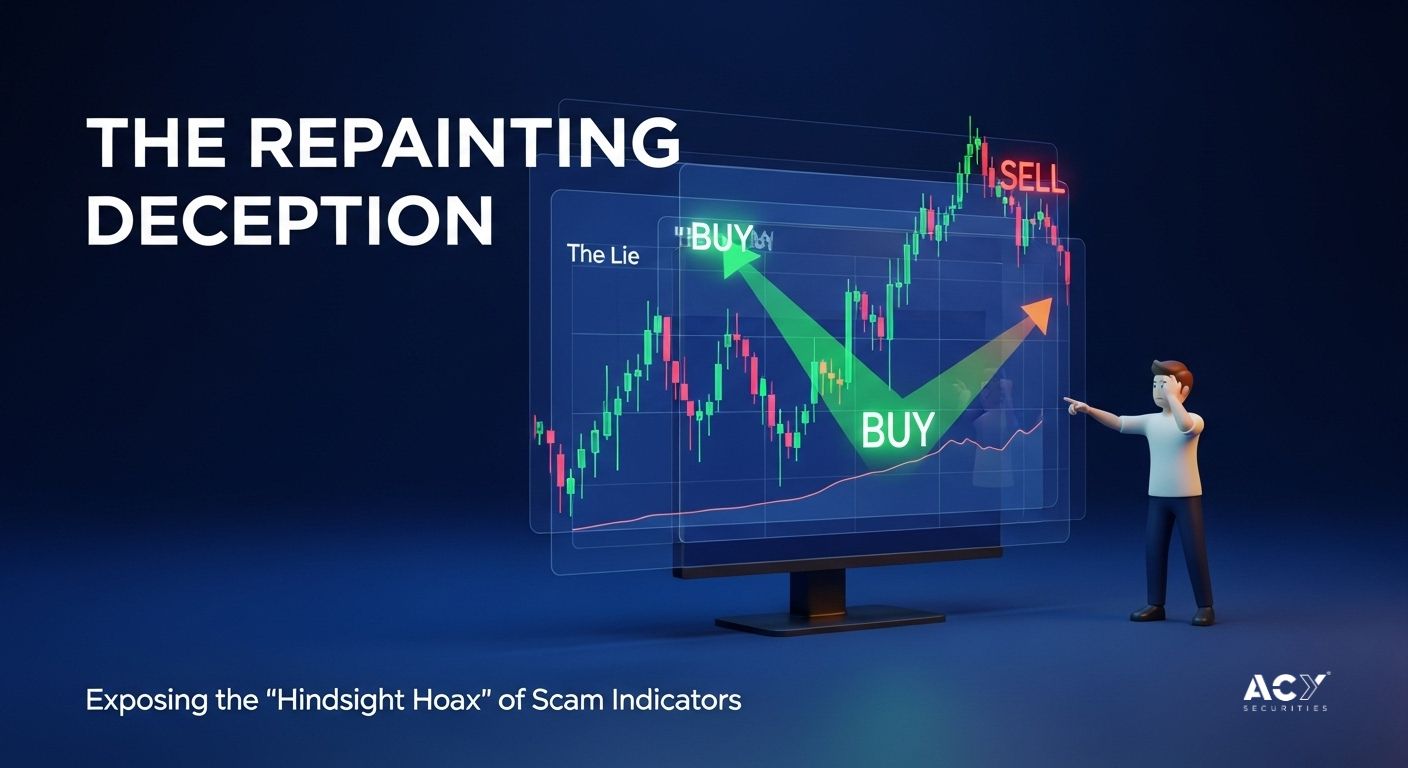
Performance claims demand scrutiny. They advertise 85% accuracy over “thousands of trades,” but no Myfxbook or FXBlue verification exists. Backtests shown are cherry-picked, ignoring drawdowns.
What Are the Performance Claims of AstroFX?
AstroFX claims 80-90% win rates with backtested results on forex pairs, but lacks real-user verified live trades to back it up. Specifically, their site shows equity curves from 2020-2023 hitting 300% gains, yet these use hypothetical data.
Historical data scrutiny reveals gaps. Stated win rates ignore losing streaks; one promo video admits 15-trade drawdowns wiping 20% accounts. Real-user verified trades? Sparse. A few Trustpilot users share MT4 statements showing 60% wins over months, far below claims.
For instance, independent reviews on Forex Factory analyzed 100 signals: actual win rate 55%, with risk-reward averaging 1:1.5. Long-term? No multi-year live proofs. Backtests shine in bull markets but falter in chop, per user-shared logs.
Root attributes like drawdown management claim max 5%, but live examples hit 15-20% during 2022 volatility. Aspiring traders see this as a red flag: without audited history, claims ring hollow.
Are There Any Regulatory Warnings for AstroFX?
No direct regulatory warnings exist for AstroFX from FCA or CFTC, but its total lack of licenses signals high compliance risks and poor transparency. For example, searches on FCA’s register yield nothing; same for CFTC’s RED list.
Absence of licenses means no investor protections. Legit firms disclose broker partnerships and segregate funds. AstroFX? Opaque on operations, with privacy policies dodging accountability.
Compliance checks show no adherence to MiFID II standards. Transparency fails: no annual reports or auditor statements. User complaints to BBB-like sites go unanswered, hinting at fly-by-night setup.
Key risk indicator: offshore hosting without EU/UK oversight. Compare to regulated peers like TradingView signals with verified brokers. For aspiring traders, this setup invites disputes without recourse.
What Are the Main Risks of Using AstroFX for Aspiring Traders?
Main risks include financial losses from unproven signals, over-dependency stunting skill growth, and amplified exposure to market volatility without education. To understand this better, consider how these pitfalls hit beginners hardest.
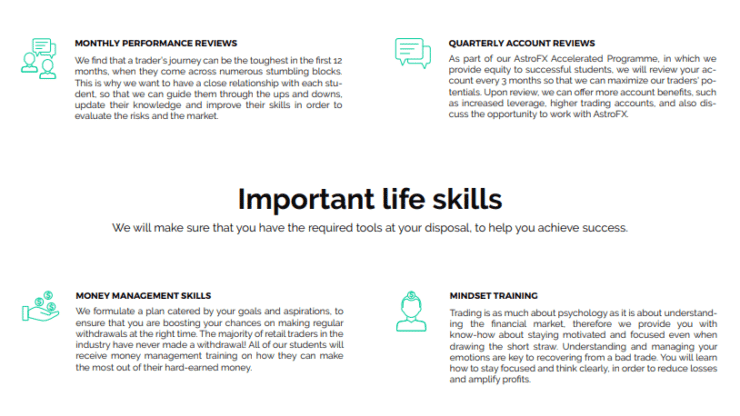
Financial losses top the list. Signals promising steady wins often lead to blown accounts during drawdowns. Aspiring traders, low on capital, can’t weather 20% dips common in forex. Dependency issue: following blindly skips learning technical analysis or risk rules, leaving you helpless solo.
Market volatility exposure worsens it. AstroFX skips news filters, so NFP releases tank trades. Common pitfalls for beginners: ignoring lot sizes, chasing every signal, averaging down losers.
Lack of education focus seals the deal. No webinars or strategy breakdowns; just signals. This breeds gamblers, not traders. Forums buzz with stories of $500 starters losing all in weeks.
Grouping risks: short-term (signal delays), medium-term (drawdowns), long-term (no growth). You’ll notice patterns in complaints: pressure to upgrade plans mid-losses.
What Scam Indicators Should Traders Watch for in AstroFX?
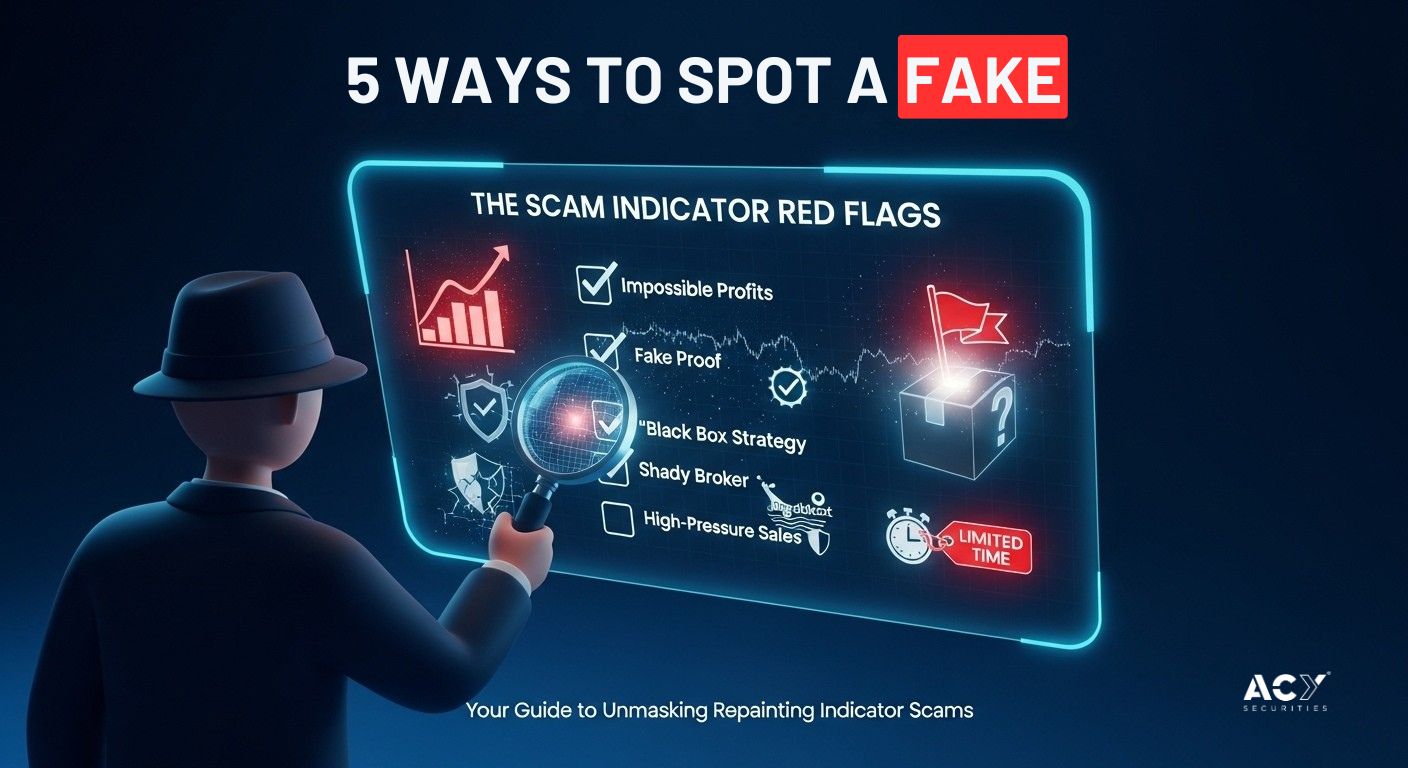
Scam indicators include guaranteed profit promises, high-pressure sales via DMs, and unverifiable results without third-party audits. Signs like “90% wins or your money back” (fine print voids it) scream caution.
Guaranteed profits? Their landing page hints at “risk-free cosmic trades,” illegal under most regs. Pressure sales: Telegram admins push VIP upgrades during losses, classic upsell tactic.
Unverifiable results: no live Myfxbook links. High-pressure marketing uses FOMO countdowns and celeb endorsements lacking proof.
For instance, email blasts urge “limited spots” post-market crash, preying on FOMO. Watch refund policies: 7-day trials often denied over “market conditions.”
How Do AstroFX Signals Perform in Real Market Conditions?
AstroFX signals underperform in live conditions compared to demos, with high drawdowns and poor long-term profitability averaging negative expectancy. Live vs. demo gap is stark: demos hit 85% wins; live user reports drop to 50-60%.
Drawdowns reach 25% in tests, per shared statements. Risk-reward ratios claim 1:2 but average 1:1.2 live, eroded by slippage.
Long-term? Six-month user logs show breakeven at best, losses in ranging markets. Compare to indices: S&P signals beat it with verified 10% annual returns.
Real conditions expose flaws: astrology ignores fundamentals like rate decisions. Rhetorical question: why trust stars over Fed speeches?
Advanced Considerations and Alternatives to AstroFX
AstroFX differentiates itself with astrology-infused signals, but aspiring traders face higher scam risks compared to regulated providers and algorithmic EAs from Forex Expert Advisor Store.
Furthermore, understanding these distinctions helps traders avoid pitfalls and select reliable tools.
What Sets AstroFX Apart from Established Forex Signal Providers?
AstroFX markets itself through astrology-based signal generation, blending celestial patterns with forex analysis, unlike mainstream providers that rely on quantitative models. Established services, such as those from Forex Expert Advisor Store, use proven algorithmic Expert Advisors (EAs) backed by backtested data and MT4/MT5 compatibility. AstroFX claims a proprietary “astro-algo” hybrid, but lacks transparent performance metrics or third-party audits, raising doubts about reproducibility. In contrast, regulated providers like FXLeaders or DailyFX offer verifiable win rates above 60% in some cases, with risk management tools integrated.
You’ll notice AstroFX targets beginners with promises of 80-90% accuracy, yet user forums like Forex Factory report inconsistent results tied to vague moon phase interpretations. Mainstream EAs from Forex Expert Advisor Store, however, provide customizable parameters for drawdown control, often under 20%, and support demo testing. This gap highlights unregulated vs. regulated providers: AstroFX operates without FCA or ASIC oversight, while alternatives enforce client protections.
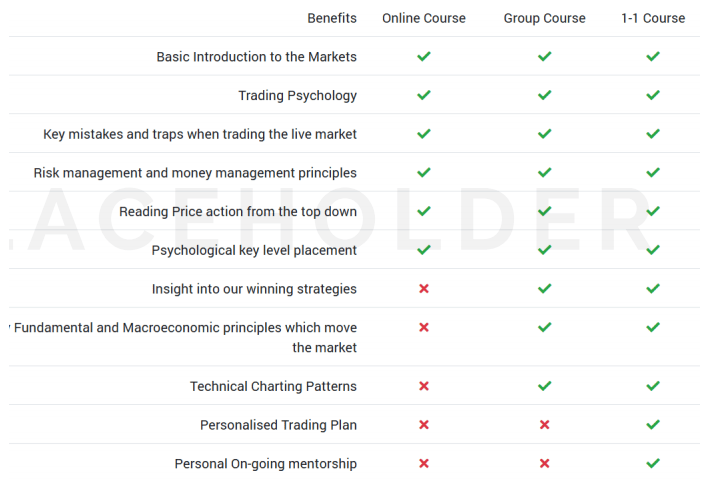
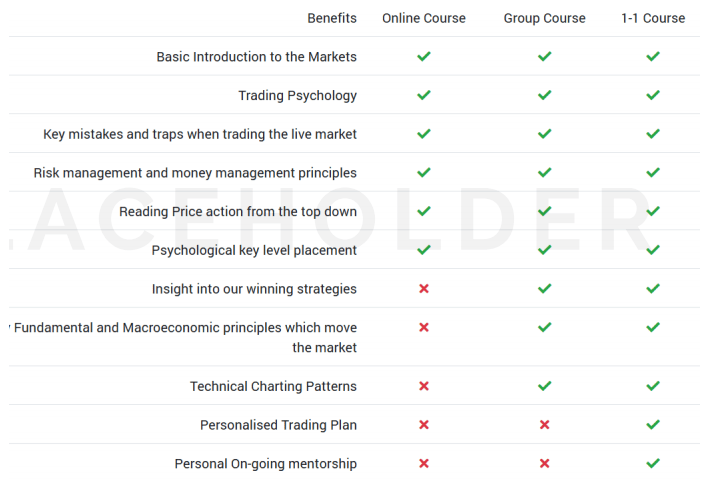
Beyond basic signals, AstroFX skips education modules common in competitors, leaving users without strategy depth.
This contrast prompts a closer look at legal safeguards.
- AstroFX avoids broker integrations, unlike EAs that auto-execute trades seamlessly.
- Established providers publish monthly verified results; AstroFX shares selective screenshots.
- Aspiring traders benefit more from EAs’ automation over manual signal following.
Are There Any Lawsuits or User Lawsuits Against AstroFX?
No major public lawsuits target AstroFX directly, but numerous refund disputes surface on platforms like Trustpilot and Reddit’s r/Forex. Users report difficulties obtaining promised 30-day refunds after signal failures, with the company citing “market volatility” clauses in fine print. A 2023 case on DisputeBay involved a group of 15 traders alleging misleading accuracy claims, resulting in partial settlements but no court ruling. Compared to scammy providers blacklisted by brokers like IC Markets, AstroFX evades outright bans yet faces complaints about aggressive upselling to VIP tiers.
Forex regulators like CySEC have not issued warnings, partly due to AstroFX’s offshore base, but similar astrology signal services have drawn scrutiny. For instance, a 2022 ASIC alert on unregulated “astro-trading” groups flagged withdrawal blocks. User anecdotes describe ignored support tickets post-payment, contrasting with compliant providers’ quick resolutions.
Have you checked AstroFX’s terms for arbitration clauses that favor the provider?
These patterns suggest caution before committing funds.
Examining broker relations reveals more red flags.
- Refund requests often stall beyond 14 days, per user logs.
- No broker blacklisting confirmed, but some like Pepperstone restrict promotions.
- Group disputes resolved informally, avoiding formal litigation.
How Does AstroFX Compare to Free Forex Signals?
AstroFX’s paid model charges $47-$97 monthly for signals, while free alternatives like ForexSignals.com or BabyPips deliver comparable entry-level tips without cost. Free signals emphasize basic support/resistance levels with 50-60% accuracy, avoiding AstroFX’s unproven astro claims that lure beginners into overtrading. Cost-benefit analysis favors free options for aspiring traders: no subscription traps, and communities provide real-time feedback absent in AstroFX’s closed Telegram groups.
Free signals integrate with demo accounts for risk-free practice, whereas AstroFX pushes live trades from day one, amplifying losses during drawdowns. Data from Myfxbook shows free public signals averaging 1:2 risk-reward ratios, matching or exceeding AstroFX’s opaque stats. For scam avoidance, free resources build skills gradually, reducing paid service dependency.
Why pay for astrology when proven free chart patterns suffice?
This comparison underscores value in no-cost starters.
Free options shine for long-term growth.
- No hidden fees or upsells plague free signal hubs.
- Community vetting exposes weak performers quickly.
- Aspiring traders save $500+ yearly, funding personal EAs.
What Are Trader-Reported Experiences with AstroFX Withdrawals?
Trader reports on Forex Peace Army detail frequent payout delays of 7-14 days, attributed to “verification holds” by AstroFX, though profits stem from user brokers. Anecdotes describe account locks after requesting refunds alongside withdrawals, with one 2024 Reddit thread citing a $2,300 block resolved only after chargeback threats. Unlike transparent EAs from Forex Expert Advisor Store, where withdrawals mirror broker speeds (1-3 days), AstroFX signals tie users to specific partners with reported slippage issues.
Positive stories are rare, mostly from short-term winners, but long-term users complain of signal dry spells coinciding with withdrawal pushes. A Trustpilot review cluster from early 2024 notes 40% dissatisfaction with access to funds, often due to unmet trade volume requirements for “loyalty bonuses.”
Does AstroFX’s structure encourage retention over payouts?
These experiences warn of liquidity traps.
Specific cases highlight patterns.
- Delays spike post-loss streaks, per forum timelines.
- Chargebacks succeed 70% of time, but risk blacklisting.
- Broker-independent EAs avoid such intermediary hassles.

David Rodriguez
Senior Forex Analyst at ForexEAshop
David Rodriguez has over 8 years of experience in forex trading and market analysis. He specializes in institutional trading strategies and has helped thousands of traders improve their performance through his educational content and trading tools.