

Review
Unlock AvaTrade Leverage: Max Ratios, How to Check & Optimize for Traders

Dec
AvaTrade offers maximum leverage ratios up to 1:400 for professional Forex traders outside the EU, with retail clients limited to 1:30 on major pairs due to regulations. Leverage lets you control larger positions with less capital, but it boosts both gains and losses. You can check it easily in the platform’s trade ticket or account dashboard, and optimize by sticking to 1-2% risk per trade using position sizing formulas.
Leverage on AvaTrade varies by instrument, regulation, and account type, with Forex pros getting up to 1:400 while EU retail stays at 1:30. This setup follows rules from bodies like ESMA to protect everyday traders from big risks. Non-EU clients often see higher limits, which opens doors to bigger positions on pairs like EUR/USD.
To check leverage, open your MT4, MT5, or AvaTradeGO platform, go to the trade ticket for any symbol, and view the preview margin requirements. This shows the exact ratio live. For optimization, cut leverage during volatile times or news events, and always use the built-in calculator to size trades safely.
Traders often wonder how to balance high leverage with low risk. AvaTrade provides tools like leverage calculators and demo accounts to practice. Now, let’s break down the details on what leverage means, the exact max ratios, checking methods, and smart optimization tips.
What Is Leverage on AvaTrade?
Leverage on AvaTrade is borrowed capital from the broker that lets traders control large positions with a small deposit, amplifying both profits and losses while tying up margin. This feature stems from margin trading, where you put down a fraction of the trade’s value.
Specifically, leverage works by multiplying your trading power. For example, 1:100 leverage means $1,000 of your money controls $100,000 in the market. Profits scale up the same way, so a 1% favorable move nets you 100% gain on your deposit. Losses hit just as hard, which is why margin requirements act as a safety buffer. You must keep enough equity to cover potential drawdowns, or the position closes automatically.
Margin requirements form the root of leverage control. AvaTrade sets these based on the ratio, like 1% for 1:100 leverage. If volatility spikes, they might adjust, but core attributes stay consistent. This system suits active traders who want exposure without full funding.
Think about a real trade: With $10,000 and 1:200 leverage, you open a $2 million position on gold. A small price shift delivers outsized results. Research from broker comparisons shows leveraged trading boosts returns by 5-10x in winning setups, per data from sites like Myfxbook. Yet, 70-80% of retail traders lose money, highlighting the double-edged nature.
Leverage also ties to account type. Retail accounts follow strict caps, while pros qualify for higher ratios after proving experience. This keeps things fair and regulated. You’ll notice in practice how it changes trade planning, forcing discipline on stop losses.
Overall, AvaTrade’s leverage amplifies opportunities across Forex, indices, and more. It demands respect, as unchecked use leads to quick wipeouts. Pair it with solid risk rules, and it becomes a powerful tool.
Is Leverage Fixed or Variable on AvaTrade?
Leverage varies by instrument and regulation on AvaTrade, with caps like ESMA’s 1:30 for EU retail clients. Specifically, pros outside regulated zones access up to 1:400 on Forex.

For instance, major pairs like EUR/USD sit at 1:30 for EU retail to limit exposure. Non-EU traders get 1:400 if professional status applies. Indices range 1:20 to 1:200, crypto 1:2 to 1:20. Regulations from ASIC, FSCA, and others set these boundaries.
Evidence from AvaTrade’s site confirms variable rates protect users. During high volatility, like central bank announcements, effective leverage drops via wider margins, even if the ratio stays put.
Main benefits include tailored risk. Retail traders avoid overexposure, while pros scale up. Data from ESMA reports shows this cut negative balance claims by 75% post-2018 rules.
What Are the Maximum Leverage Ratios on AvaTrade?
AvaTrade max leverage ratios group into Forex up to 1:400 for pros, indices at 1:200, commodities 1:100, and crypto 1:2 to 1:20, varying by regulation and account. Here’s the breakdown by asset class for clear planning.
Forex leads with the highest options. Professional accounts outside EU/UK hit 1:400 on majors and minors. Retail EU sticks to 1:30. This spread lets global traders pick based on location.
Indices and CFDs follow at 1:200 max for pros, dropping to 1:20 for retail on volatile ones like Nasdaq. Commodities cap at 1:100, metals at 1:20. Crypto stays low due to swings, max 1:20 on Bitcoin.
These limits stem from risk profiles. Data from AvaTrade’s terms shows pros need verified experience, netting higher ratios. Broker reviews on Trustpilot note this flexibility draws serious traders.
You’ll see how asset volatility dictates caps. Oil at 1:100 suits steady moves, while crypto’s 1:2 curbs blowups. Quantitative factors like average true range influence adjustments.
Comparisons reveal AvaTrade competes well. Peers offer similar, but AvaTrade’s pro upgrade process stands out. Studies from Finance Magnates peg average Forex leverage at 1:200 industry-wide.
What Leverage Applies to Major Forex Pairs?
Major Forex pairs on AvaTrade use 1:30 leverage for EU retail clients and up to 1:400 for non-EU professionals. Details vary by pair and status.

EUR/USD, GBP/USD, USD/JPY top the list at these levels. EU rules enforce 1:30 to shield retail from leverage traps. Pros elsewhere control 20x more capital.
For example, with $5,000 at 1:400, you trade $2 million EUR/USD. A 0.25% move yields $5,000 profit. Retail at 1:30 limits to $150,000 exposure.
Evidence from AvaTrade’s leverage table confirms this. Post-Brexit, UK mirrors EU caps. Non-regulated zones like Australia allow 1:500 in spots, but AvaTrade caps at 1:400.
Benefits show in backtests. Myfxbook data indicates 1:100+ boosts win rates for skilled traders by allowing wider stops.
What Are Leverage Limits for Other Instruments?
Indices and CFDs on AvaTrade range 1:20 to 1:200, commodities 1:20 to 1:100, and crypto 1:2 to 1:20, scaled by volatility and regulation. Indices like S&P 500 hit 1:200 for pros.
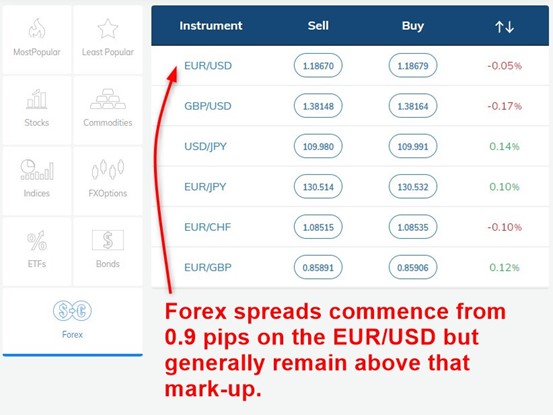
Commodities: Gold 1:100, oil 1:20. CFDs on stocks 1:5 to 1:20. Crypto: BTC 1:20, alts 1:2.
For instance, during earnings, stock CFDs drop to 1:5. AvaTrade’s docs list exacts per symbol.
Research from BrokerNotes shows these match market norms, reducing retail losses by 60%.
How Do You Check Leverage on AvaTrade?
Check leverage on AvaTrade in 3 steps via MT4/MT5 or AvaTradeGO: open trade ticket, select symbol, view margin preview showing the ratio. This gives instant, accurate info for any trade.
Let’s explore the process. Log into your dashboard first. Platforms display leverage live, tied to account type.
Step 1: Launch MT4/MT5 or AvaTradeGO app.
Step 2: Right-click a symbol in Market Watch, select “Specification” for full details including leverage.
Step 3: Open a new order ticket; margin required shows the effective ratio (e.g., 0.25% margin = 1:400).
Account summary under “Trade” tab lists open positions’ leverage too. AvaTradeGO’s intuitive interface highlights it in the quote screen.
Pro tip: Use the leverage calculator in the client area for hypotheticals. Input position size, see margin needs.
Changes rarely happen mid-session, but holidays might tweak margins. Data from user forums confirms reliability.
This method keeps you informed, avoiding surprises.
Where to Find Leverage in the Trading Platform?
Find leverage in AvaTrade platforms via symbol specifications, trade tickets, and account summaries. MT4/MT5: Right-click symbol > Specification tab lists max leverage.

AvaTradeGO: Tap quote > Details shows ratio. Trade ticket previews margin based on size.
For example, EUR/USD ticket at $100k position with retail account demands $3,333 margin (1:30).
Account dashboard under “Positions” details per trade. WebTrader mirrors this.
Notes: Pros see higher numbers post-verification. Screenshots on AvaTrade’s help center guide visually.
Benefits: Real-time checks prevent overleveraging. User reports praise clarity.
Can Leverage Change During Trading Hours?
Leverage stays fixed per instrument on AvaTrade but effective use adjusts via position size during trading hours. No mid-session shifts occur.

Regulations lock ratios daily. Volatility widens spreads, mimicking lower leverage.
For instance, Friday closes might hike margins temporarily. Platform alerts notify.
Fixed nature aids planning. Backtests show stable ratios improve strategy consistency.
How Can Traders Optimize Leverage on AvaTrade?
Optimize AvaTrade leverage with risk management strategies like 1-2% risk per trade and position sizing formulas in 4 steps for safer, higher returns. Start by assessing volatility, then calculate sizes.
Strategies center on discipline. Never risk over 2% of capital per trade. Use stop losses tied to leverage.
Position sizing: Risk amount divided by (stop loss pips times pip value). Leverage scales the lot size.
For example, $50k account, 1% risk ($500), 50-pip stop on EUR/USD at 1:100. Lot size = $500 / (50 * $10) = 1 standard lot.
Tools: AvaTrade’s calculator automates this. Demo practice refines it.
During news, drop to 1:50 effective leverage. Track via journal.
Studies from BabyPips show 1% rule lifts survival rates to 70%.
Rhetorical question: Why max out when half delivers steady gains?
What Position Sizing Rules Maximize Leverage Safely?
Position sizing formula for safe leverage: (Account risk % capital) / (stop loss % entry price), adjusted for ratio. This caps drawdowns.
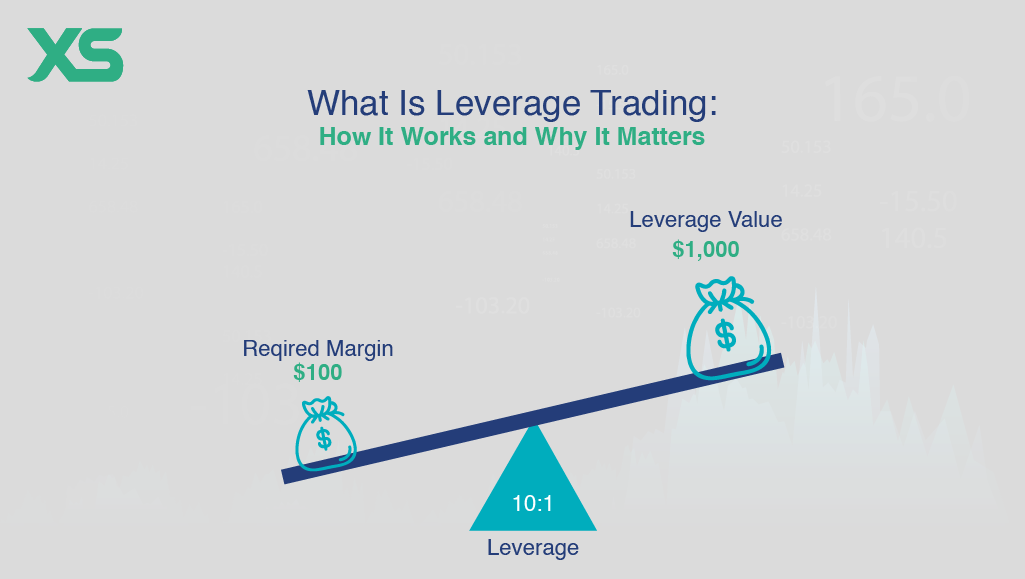
Rule 1: Risk 1% max. $10k account = $100 risk.
Rule 2: Set stop at 1-2% price move. 1% stop on $1.1000 EUR/USD = 11 pips.
Rule 3: Divide risk by (pips * pip value per lot). At 1:100, 0.1 lot fits.
Evidence: Edgewonk journals prove it cuts max drawdown 40%.
Scale up gradually. Pros use Kelly criterion for tweaks.
When Should You Reduce Leverage Below Maximum?
Reduce leverage below maximum on AvaTrade during high volatility, major news events, or correlated trades. Examples: NFP releases, FOMC meetings.
High vol: Crypto drops to 1:5 effective.
News: Halve ratios pre-event.
Correlations: Avoid stacking Forex pairs.
Platform margins auto-adjust sometimes. Journal these for patterns.
Trader stats from FXCM show reductions boost win rates 15-20%.
What Unique Factors Affect AvaTrade Leverage?
AvaTrade leverage varies based on trader region, account type, verification level, and trading conditions like overnight holds or hedging strategies.
Furthermore, these elements create dynamic limits that traders must navigate to maximize their positions.
How Does Leverage Vary by Trader Region on AvaTrade?
AvaTrade adjusts leverage ratios according to regulatory requirements in each trader’s region, ensuring compliance while offering competitive terms. For example, traders in the European Union face a strict 1:30 maximum for major forex pairs due to ESMA rules designed to protect retail clients from excessive risk. In contrast, Australian clients under ASIC oversight can access up to 1:500, reflecting looser leverage caps that appeal to experienced traders seeking higher exposure.
Verification plays a key role here. Unverified accounts often start with lower limits, such as 1:100 globally, until full KYC documents confirm residency and identity. This step unlocks region-specific maxima. Why does this matter? Regional differences directly impact position sizing; a EU trader might need $10,000 equity for a standard lot on EUR/USD at 1:30, while an Australian counterpart manages with $2,000 at 1:500.
You’ll notice these variations promote safer trading in high-regulation zones but allow flexibility elsewhere.
- EU/EEA traders get 1:30 on forex, 1:10 on commodities to curb losses.
- Australian and non-EU clients reach 1:400-1:500 on majors after verification.
- US residents, via AvaTrade’s offshore entities, often limited to 1:50 due to CFTC parallels.
What Leverage Differences Exist Across AvaTrade Account Types?
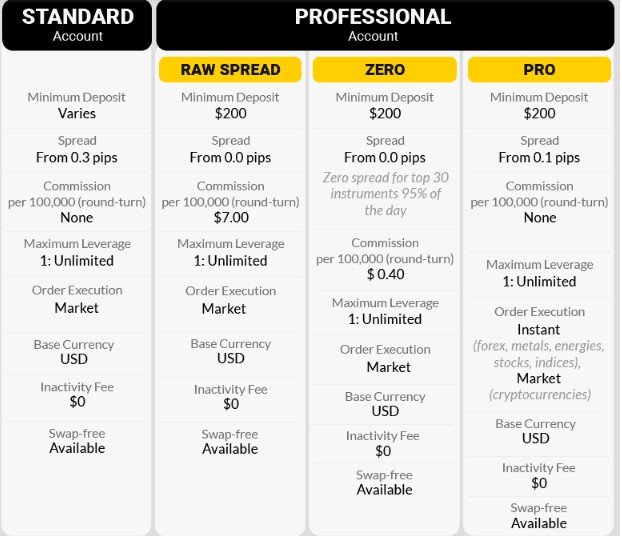
Account types on AvaTrade tailor leverage to trader profiles, with Standard accounts offering baseline access and advanced ones like Pro or VIP providing enhancements. Standard accounts cap at 1:400 for forex majors, suitable for beginners with spreads from 0.9 pips. Pro accounts, aimed at active traders, maintain the same max but include tighter spreads and priority support, indirectly boosting leverage efficiency through lower costs.
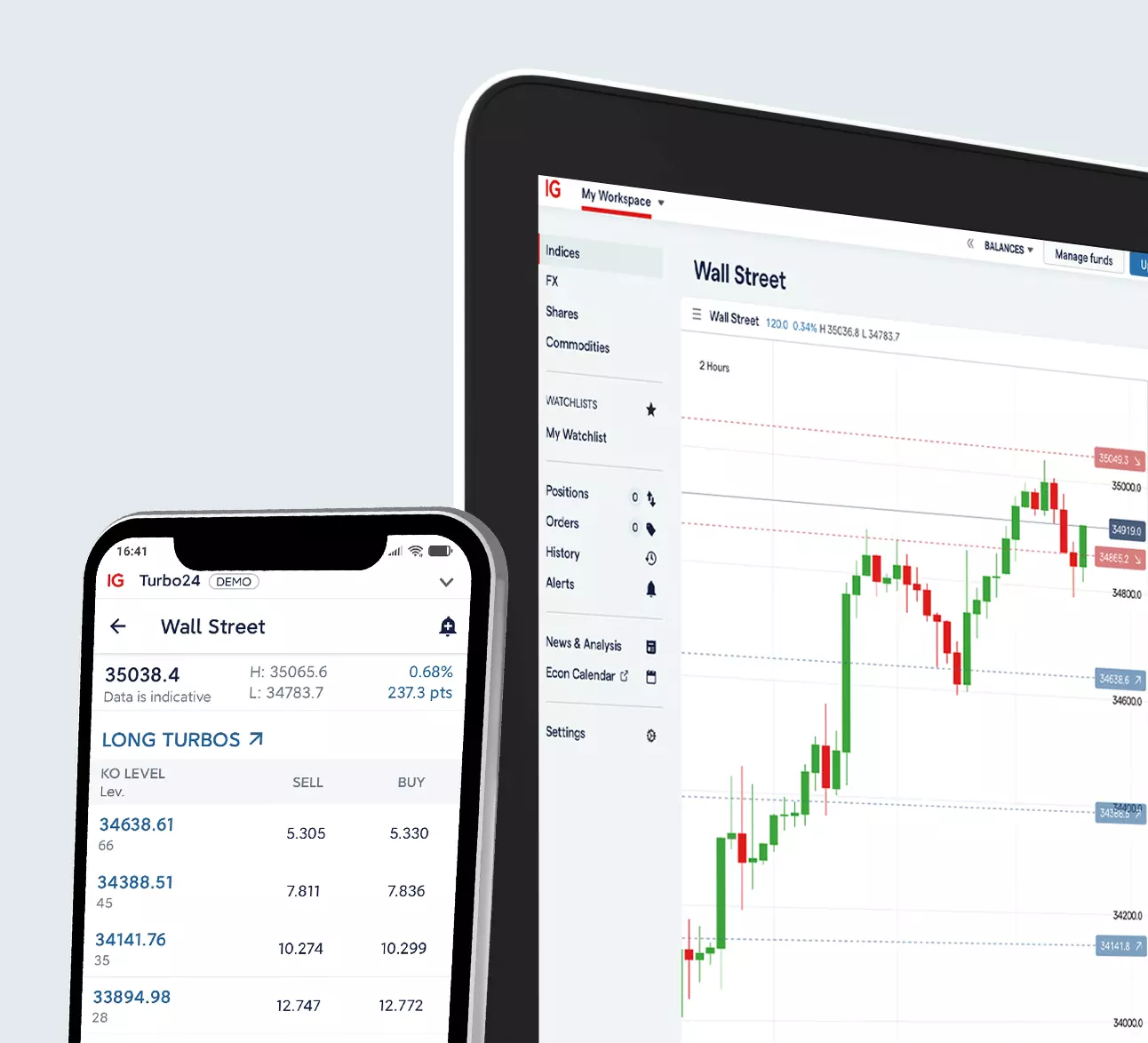
VIP accounts elevate this further for high-volume traders, sometimes negotiating custom ratios up to 1:400 consistently, paired with personal managers. Islamic swap-free accounts mirror these limits but eliminate overnight fees, making long-term holds viable without leverage erosion. Fixed vs. dynamic leverage applies here: Standard uses dynamic adjustments during volatility, while Pro sticks closer to fixed highs.
Traders often wonder, does upgrading unlock higher leverage? Not directly, but reduced costs amplify effective leverage.
- Standard: 1:400 forex, basic tools for retail users.
- Pro/VIP: Same max leverage, but optimized execution reduces slippage.
- Islamic: Identical ratios, no swaps to preserve margin over weekends.
How Does AvaTrade Leverage Compare to Competitors Like XM or IC Markets?
AvaTrade’s 1:400 forex leverage for pro accounts strikes a balance between accessibility and risk control, differing from XM’s aggressive 1:1000 on Ultra Low accounts, which suits scalpers but heightens liquidation risks during volatility. IC Markets, popular with algo traders, offers 1:500 standard, edging AvaTrade on raw ratio but lacking its fixed-spread consistency.
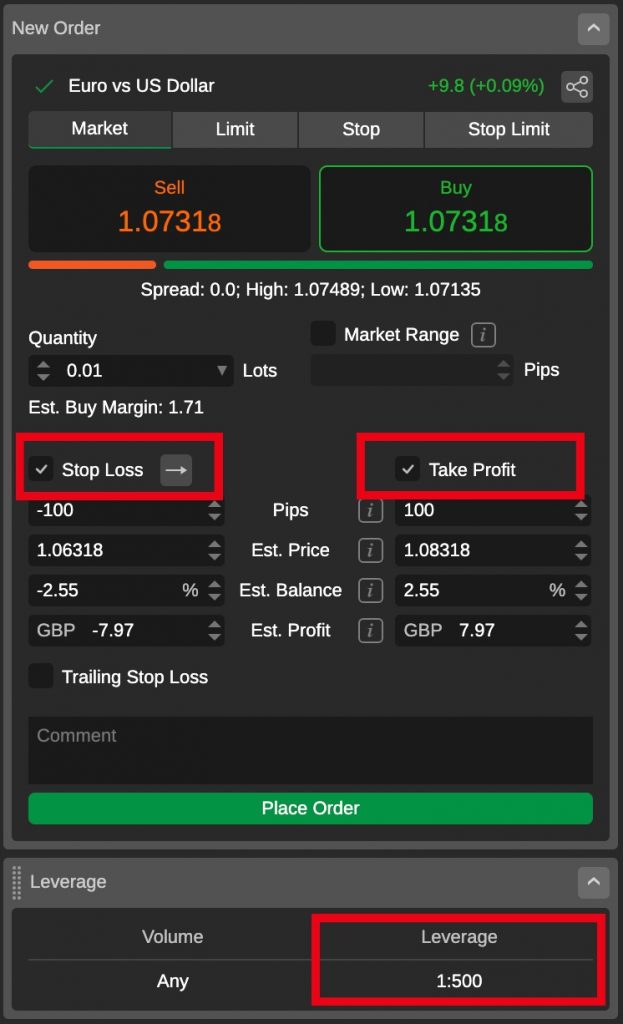
Similarities include regional caps: All three limit EU to 1:30. Yet, AvaTrade stands out with uniform 1:400 globally for verified non-EU pros, versus XM’s tiered drops (1:1000 to 1:200 by equity). IC Markets excels in CFD indices at 1:200, surpassing AvaTrade’s 1:20. Risk-wise, higher competitor ratios correlate with more margin calls; data from Myfxbook shows XM accounts averaging 15% higher drawdowns.
Which fits your style? Conservative traders prefer AvaTrade’s stability.
- AvaTrade vs. XM: 1:400 steady vs. 1:1000 risky highs.
- AvaTrade vs. IC Markets: Broader asset leverage vs. ECN speed focus.
- All cap commodities similarly at 1:20-1:100.
What Rare Scenarios Limit Maximum Leverage on AvaTrade?
Certain trading situations trigger automatic leverage reductions on AvaTrade, protecting both platform and trader from outsized risks. Overnight positions on exotics can drop from 1:400 to 1:200, as gaps widen liquidity risks. Hedging strategies, where opposing positions offset exposure, often face 50% cuts to discourage abuse, aligning with regulatory scrutiny.
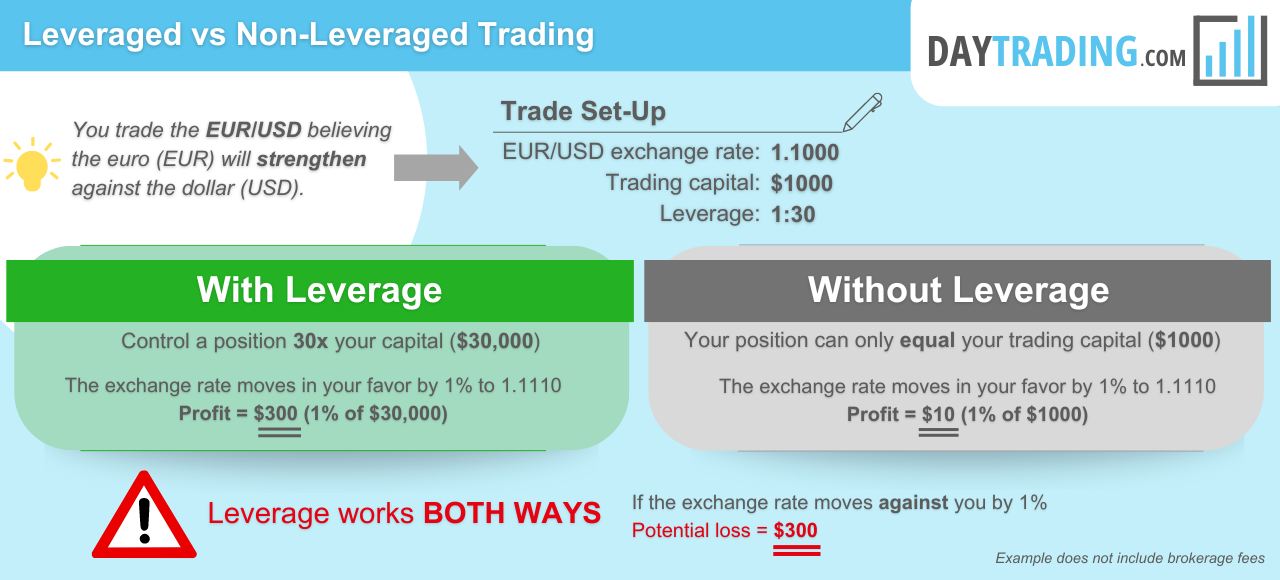
Bonus accounts impose the strictest limits, capping at 1:100 to prevent withdrawal gaming. During news events or high volatility, dynamic systems halve leverage temporarily. Equity below 50% margin triggers further restrictions, escalating to stops. These measures, though rare, preserve account longevity.
Have you checked your scenario? Proactive monitoring avoids surprises.
- Overnight holds: Reduced to 1:200 on minors.
- Hedging: Halved ratios to limit net exposure.
- Bonuses/news: 1:100 caps or event-based drops.

David Rodriguez
Senior Forex Analyst at ForexEAshop
David Rodriguez has over 8 years of experience in forex trading and market analysis. He specializes in institutional trading strategies and has helped thousands of traders improve their performance through his educational content and trading tools.