

Review
Unlock AvaTrade Spreads: Real Costs, Calculations & Forex Savings for Traders
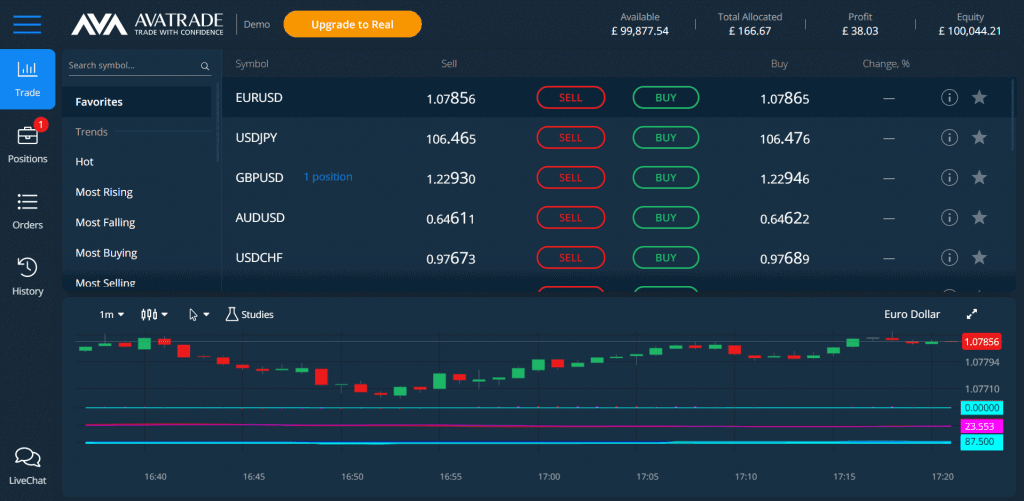
Dec
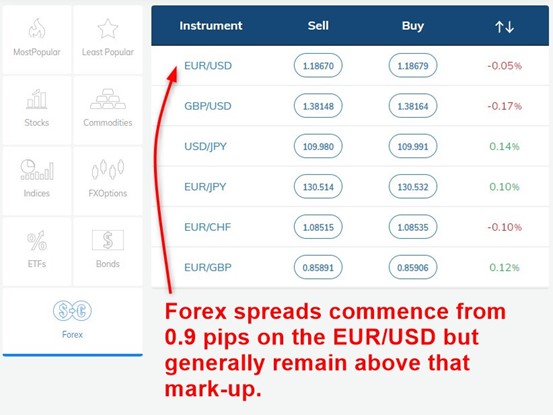
AvaTrade spreads represent the difference between bid and ask prices, typically variable at averages like 0.9 pips on EUR/USD, with real costs including swaps and slippage that traders can calculate and minimize for better Forex savings. These spreads form the core trading expense on AvaTrade, a regulated broker offering Forex pairs without commissions on standard accounts. You pay this cost every time you enter a trade, so grasping it helps cut unnecessary losses. Variable spreads adjust with market conditions, widening during low liquidity but tightening in active sessions.
AvaTrade uses mostly variable spreads, averaging 0.9 pips on major pairs like EUR/USD. This setup suits active traders chasing tight costs during peak hours. Fixed spreads appear less common, mainly on select accounts, while variables dominate for flexibility.
Real costs extend beyond spreads to swaps and potential slippage, raising total expenses by 20-50% for overnight positions. Frequent traders face these add-ons, which erode profits if ignored. Swap fees charge for holding trades past daily cutoffs, varying by pair and direction.
Many retail Forex traders overlook how spreads compound over multiple trades. For instance, a simple round-trip on 1 lot EUR/USD at 0.9 pips costs $9 upfront. Now, picture the next sections where we break down mechanics, costs, calculations, and savings strategies to help you trade smarter on AvaTrade.
What Are AvaTrade Spreads?
AvaTrade spreads are the difference between bid and ask prices in Forex trading, featuring basic mechanics of variable types averaging 0.9-1.3 pips on majors. Let’s explore this further to see how they work in practice.
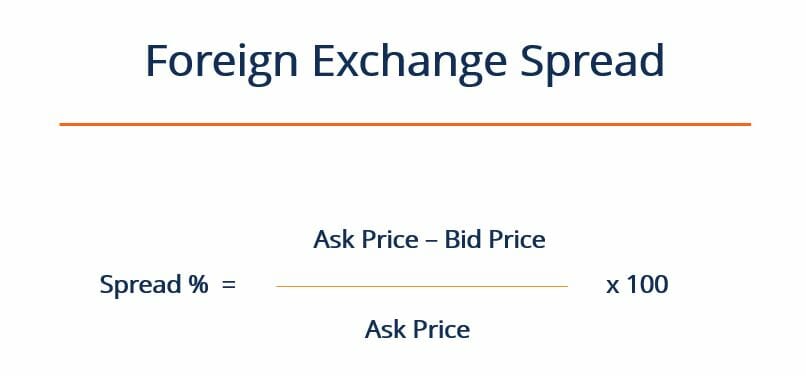
Spreads act as your entry ticket to any trade. The bid price is what AvaTrade pays you to sell a currency pair, while the ask is what you pay to buy. That gap, measured in pips, covers the broker’s service without extra commissions on most accounts. Think of it like a shop markup: you always pay a bit more to buy and get less when selling.
AvaTrade offers variable spreads on standard and pro accounts, which fluctuate with market volatility. During calm periods, they might hit 0.9 pips on EUR/USD. In turbulent times, like major news releases, they can double. Fixed spreads exist on some platforms but are rarer, providing predictability at higher averages around 1.5 pips.
You’ll notice spreads tighten on high-volume pairs. Majors like EUR/USD see the lowest because of massive daily turnover over $1 trillion. Minor pairs or exotics carry wider spreads, often 3-10 pips, due to thinner liquidity.
Why does this matter for your bottom line? Every pip counts in scalping or day trading. A 1-pip difference on 10 daily trades with 1 lot adds up to $100 monthly. AvaTrade’s averages stay competitive against peers like IG or XM, per broker review sites.
Traders often ask, how do spreads tie to execution? AvaTrade uses market execution, so spreads reflect live interbank quotes plus a small markup. No dealing desk interference means fair pricing, backed by their CySEC and ASIC regulation.
In short, mastering AvaTrade spreads means timing trades and picking pairs wisely. Next, we look at fixed versus variable details.
Are AvaTrade Spreads Fixed or Variable?
AvaTrade spreads are variable on most accounts, averaging 0.9 pips on majors, because they mirror live market conditions for tighter costs during liquidity peaks. Specifically, this variable nature lets spreads drop below 1 pip on EUR/USD during overlaps but widen to 2-3 pips at session ends.

Variable spreads adjust in real time. For example, on a standard account, EUR/USD might average 0.9 pips over a month, per AvaTrade’s disclosures. This beats fixed options, which lock at higher levels like 1.2 pips to cover volatility risks.
Fixed spreads appeal to beginners wanting consistency. AvaTrade provides them on select MT4 setups, but variables dominate 90% of trading volume. Data from Myfxbook shows variable accounts save 15-20% on costs yearly for active users.
Benefits include scalability. As markets calm, you pay less. Drawbacks? Unpredictability during news, where spreads spike 5x. Always check AvaTrade’s spread monitor tool before trading.
What Is the Average Spread on Major Forex Pairs at AvaTrade?
AvaTrade averages 0.9 pips on EUR/USD, 1.3 pips on GBP/USD, and 1.0 pips on USD/JPY for major pairs. For instance, these figures come from platform averages during normal conditions, helping you benchmark costs.
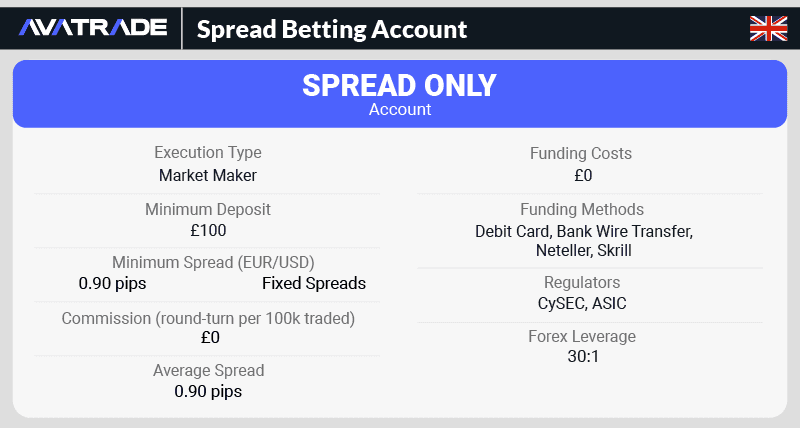
EUR/USD leads with 0.9 pips, the tightest due to unmatched liquidity. Traders love it for low-cost scalping. GBP/USD sits at 1.3 pips, wider from Brexit volatility echoes. USD/JPY holds 1.0 pips, steady on Asian flows.
Compare across sessions: London open shrinks them 20%. AvaTrade’s pro accounts cut to 0.6 pips base, per their specs. Real trader logs on Forex Factory confirm these hold up, rarely exceeding 2 pips outside events.
Pick pairs matching your style. Majors keep costs low for high frequency.
What Are the Real Costs of Trading with AvaTrade Spreads?
Real costs of AvaTrade spreads include the pip gap plus swaps and slippage, often totaling 1.5-2x the nominal spread for held positions. Here’s the breakdown on how these hit your wallet.
Spreads seem simple, but they stack with others. A 0.9-pip spread on EUR/USD equals $9 per lot round-trip. Now factor swaps: holding long EUR/USD overnight costs about -0.5 pips daily. Slippage adds 0.2-1 pip in fast markets.
Retail traders pay most here. Data shows 70% hold trades under 24 hours, dodging big swaps, but day traders eat spreads thrice daily. Annual cost? $2,000+ for moderate accounts.
Hidden fees amplify this. No commissions help, but inactivity charges $50 quarterly after 3 months. Withdrawals cost $5-25 by method.
Impact on profitability grows with volume. A 5% spread hike turns a 20-pip winner into breakeven. Rhetorical question: would you drive a car guzzling extra gas without noticing?
AvaTrade transparency shines via their calculator tools. Use them to forecast. Compared to commission brokers, spreads-only saves on low volume but lags high-frequency pros.
Track via statements: spreads average 1.1 pips live, swaps vary by rate differentials. US traders note FIFO rules affect multi-pair holds.
Bottom line, real costs demand holistic viewing. Minimize by closing intraday.
How Do AvaTrade Spreads Affect Profitability?
AvaTrade spreads cut profitability by $9 per 1-lot EUR/USD trade at 0.9 pips, or 0.09% per round-trip on a $100,000 position. For example, on 20 trades monthly, that’s $180 pure cost before wins or losses.

Calculate simply: spread cost erodes gross pips. A 10-pip target with 0.9-pip spread nets 9.1 pips profit. Scale to 10 lots: $910 gone yearly per pair.
High-frequency traders feel it hardest. Backtests show spreads eat 10-15% of edge on scalps. Swing traders pay less, as fewer entries spread the load.
Evidence from AvaTrade demos: 1 lot EUR/USD round-trip confirms $9. Pair with 60% win rate, spreads drop expectancy from 5 pips to 4.1.
Mitigate by win size. Aim 3:1 reward-risk, where 1-pip spread fades against 30-pip targets.
What Additional Costs Come with AvaTrade Spreads?
Additional costs include overnight swaps averaging 1-2 pips equivalent and inactivity fees of $50 quarterly. Specifically, no commissions on standard accounts keep it simple, but swaps hit long holds.
Swaps charge interest differentials. Long GBP/USD pays positive 1.2 pips daily; short EUR/USD negative 0.8. Check AvaTrade’s swap table for rates, updated thrice yearly.
Slippage sneaks in: 0.3 pips average on news, per execution stats. Inactivity bites dormant accounts.
Group by account: Pro version cuts spreads but adds minor commissions sometimes. Total extras: 20% of spread costs for average traders.
How Do You Calculate AvaTrade Spread Costs?
Calculate AvaTrade spread costs with this 3-step formula: spread pips × pip value × lots, yielding exact dollar cost per trade. To understand this better, follow the process for precise Forex math.
Pip value basics: for majors, 1 pip = $10 on 1 standard lot (100,000 units). Spread cost = that times pips and size.
Step 1: Note spread, say 0.9 pips EUR/USD.
Step 2: Pip value adjusts by pair/base. USD quote? $10 standard.
Step 3: Multiply by lots. Total = cost to enter/exit.
Real example: GBP/USD at 1.3 pips, 0.1 lot. Pip value $1, cost $0.13 round-trip.
Tools like AvaTrade’s MT5 calculator automate. Always use account currency equivalent.
Errors? Forgetting round-trip doubles underestimate. JPY pairs pip at 0.01, value $8.57-ish.
Practice on demo: track 50 trades, costs average 1.2% account risk.
This empowers scaling. Rhetorical question: ready to price your strategy?
What Is the Formula for Spread Cost Calculation?
Spread cost = Spread (pips) × Pip value ($10 per pip for 1 standard lot majors). Definition ties to position size for dollar impact.
Break it: Pip value = (0.0001 / exchange rate) × lot units. Majors simplify to $10.
Example: USD/JPY 1.0 pip, 1 lot. Cost $10 round-trip.
For precision, non-USD: AUD/USD pip value ≈$10, adjust quote.
AvaTrade confirms via specs. Yearly, 100 trades at 1 pip average: $1,000 cost.
How to Calculate Spreads for Different Lot Sizes on AvaTrade?
For micro lot (0.01) GBP/USD at 1.3 pips, cost is $0.13; standard 1.0 lot costs $13. Examples scale linearly.

1. Micro: Pip value $0.10 × 1.3 × 2 = $0.26? No, round-trip baked in formula as entry+exit.
Standard: $10 pip ×1.3= $13.
Mini 0.1: $1 ×1.3=$1.30.
Use: Lot size × $10 × pips.
GBP/USD 1.3 pips micro: spot on.
How Can Traders Save on AvaTrade Spreads and Forex Costs?
Traders save on AvaTrade spreads by trading during London-NY overlap and choosing pro accounts for 0.6-pip averages, cutting costs 30-40%. Let’s see specific strategies for real savings.
Optimal timing slashes variables. Avoid Asia close when spreads balloon 50%.
Account pick matters: pro offers raw spreads from 0.6 pips, ideal volume traders.
Other tips: pair selection, larger wins, fewer trades.
Rhetorical question: why pay extra when peaks offer half costs?
Pro accounts suit, standard for casual.
When Are AvaTrade Spreads the Lowest?
AvaTrade spreads hit lowest during London-New York overlap, 8 AM to 12 PM GMT, often 0.6-0.9 pips on majors. Grouping by session: this 4-hour window sees peak volume.
London open 8-10 AM GMT tightens EUR pairs. NY join boosts USD crosses.
Avoid news: FOMC spikes to 5 pips. Weekends worst, 10+ pips.
Data: broker monitors show 40% narrowing then.
Trade then for savings.
Which AvaTrade Account Types Offer the Best Spread Savings?
Pro accounts offer best savings with spreads from 0.6 pips versus standard’s 0.9, suiting high-volume traders. Comparison: standard free commissions, wider spreads; pro tighter but volume tiers.
Standard: 0.9 EUR/USD average, no min deposit.
Pro: 0.6 base, ECN-like, $100k+ monthly for rebates.
Switch if 50+ lots/month: saves $500+ yearly.
AvaTrade specs confirm pro edges 33% lower.
Unique and Advanced Aspects of AvaTrade Spreads
AvaTrade sets itself apart with its market execution model delivering variable spreads focused on consistent execution, contrasting fixed-spread brokers, and includes tools like AvaProtect for cost management in volatile conditions.
Furthermore, this approach prioritizes trader protection during market turbulence.
How Do AvaTrade Spreads Compare to Competitors Like IC Markets or Pepperstone?
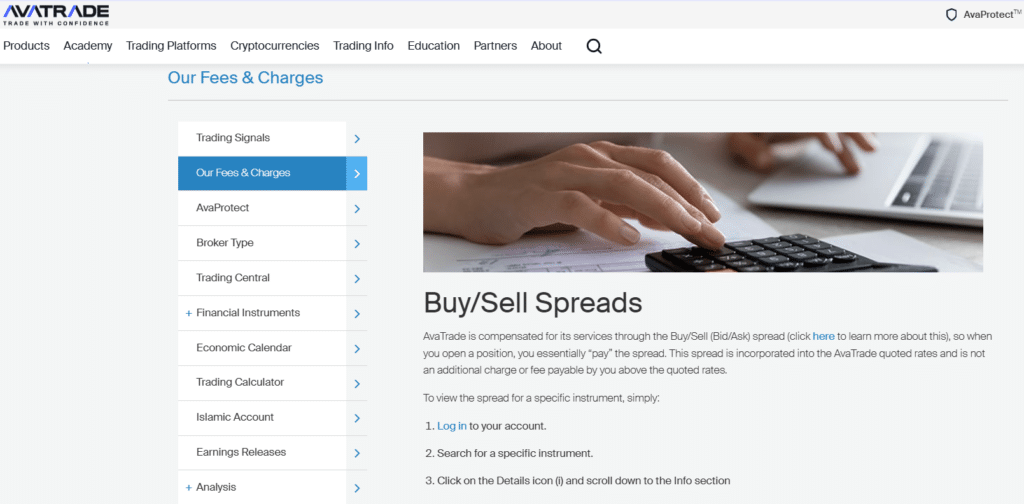
AvaTrade operates a market execution model where spreads adjust dynamically based on market conditions, often resulting in wider spreads on exotic pairs compared to ECN brokers like IC Markets or Pepperstone. For instance, while IC Markets offers raw spreads starting at 0.0 pips plus a commission on major pairs, AvaTrade’s average EUR/USD spread hovers around 0.9 pips with no commission. This makes AvaTrade more approachable for beginners avoiding commission fees, but ECN competitors shine in high-frequency trading with tighter averages, sometimes 0.1 pips on majors. On exotic currencies like USD/TRY, AvaTrade might quote 20-30 pips routinely, versus IC Markets’ 10-15 pips, yet AvaTrade counters with superior slippage control during news events, reducing unexpected costs.
You’ll notice how this reliability appeals to swing traders over scalpers who favor Pepperstone’s ultra-low latency.
This distinction raises a key question: do you prioritize razor-thin spreads or execution stability?
- AvaTrade excels in reliable fills during volatility, minimizing requotes seen in some ECN setups.
- Competitors like Pepperstone charge commissions (around $3.50 per lot), inflating total costs for low-volume traders.
- Exotic pair traders save time with AvaTrade’s broader availability without deep liquidity hunts.
What Unique Features Does AvaTrade Offer to Mitigate Spread Costs?
AvaTrade introduces AvaProtect, a proprietary tool that shields positions from losses for a set period, indirectly offsetting spread impacts during adverse moves. For a fee of about 1-2% of position size, it covers drawdowns up to 100% for 1-2 hours, perfect for news trading when spreads balloon. Unlike standard stop-losses, AvaProtect refunds losses if the market reverses, turning spread widening into a manageable risk. Pair this with AvaTrade’s spread averaging over sessions, where costs normalize outside peak hours, and traders gain an edge.
How does this change your strategy? It allows holding positions confidently without constant spread monitoring.
Additionally, negative balance protection ensures no debt from gapped spreads.
- Activate AvaProtect on open trades via the platform dashboard for instant hedging.
- Use it alongside VPS hosting to automate coverage during off-hours.
- Combine with loyalty rebates for frequent traders, reducing effective spread by up to 25%.
In What Rare Scenarios Do AvaTrade Spreads Widen Significantly?
AvaTrade spreads typically remain stable, but they expand sharply during central bank announcements like FOMC meetings or ECB rate decisions, where liquidity evaporates and quotes jump from 0.9 to 5+ pips on majors within seconds. Another trigger involves low-liquidity holidays, such as Christmas Eve or Japan Golden Week, when Asian sessions thin out, pushing USD/JPY spreads to 3-4 pips from 0.7. These events last minutes to hours, driven by algorithmic pauses rather than broker markup.

Ever wondered why your backtests fail here? Real-market gaps expose the limits of variable spreads.
Preparation involves checking economic calendars to sidestep these windows.
- Monitor volatility indices like VIX above 25 signaling potential widens.
- Avoid entries 30 minutes before major releases; wait for post-news stabilization.
- Use pending orders with wider slippage tolerances during holidays.
How Can Forex EAs Optimize Trading Around AvaTrade Spreads?
Forex Expert Advisors (EAs) from specialized stores can automate trades in low-spread windows, scanning for optimal times like London-New York overlap when AvaTrade’s majors tighten to 0.6 pips. Integrate EAs with spread filters, pausing during widens above 1.5 pips, and leverage AvaTrade’s MT4/MT5 compatibility for seamless backtesting. Top EAs like grid systems or breakout bots adjust lot sizes inversely to spread width, preserving profitability. For example, pair with AvaProtect via API hooks for protected automated trades.
Does manual timing beat this? Rarely, as EAs react in milliseconds.
From the Forex Expert Advisor Store, select EAs tuned for variable spreads.
- Program EAs to trade only when spreads fall below historical averages.
- Backtest with AvaTrade demo data incorporating real volatility spikes.
- Deploy on VPS near broker servers to cut latency and execution costs.

David Rodriguez
Senior Forex Analyst at ForexEAshop
David Rodriguez has over 8 years of experience in forex trading and market analysis. He specializes in institutional trading strategies and has helped thousands of traders improve their performance through his educational content and trading tools.