

Review
Be Forex Pro: Ultimate Beginner’s Guide to Profitable Forex Trading
You can become a profitable Forex trader as a beginner by following structured education, mastering basic strategies, and applying strict risk management from day one. Forex trading offers a path to consistent profits through the world’s largest financial market, where currencies are exchanged daily. This guide breaks down everything step by step, from core concepts to practical tips. You’ll learn how to spot opportunities, avoid common pitfalls, and build skills that lead to real results.
Forex suits beginners who start with demo accounts and low-risk practices. Accessibility stands out here. You can practice without real money, test strategies, and gain confidence before risking your capital. Many new traders see progress within weeks by focusing on education first.
Key to profits lies in simple strategies like trend following combined with tools such as moving averages. These approaches keep things straightforward. They help you identify market direction and entry points without overwhelming complexity, setting a foundation for steady gains.
Ready to build your trading edge? The sections below cover the essentials, starting with what Forex really involves. Follow along, and you’ll have a clear roadmap to trading success.
What Is Forex Trading?
Forex trading is the exchange of one currency for another in the global foreign exchange market, operating 24 hours a day from Monday to Friday across major financial centers. Let’s explore the basics to see why this market draws millions.
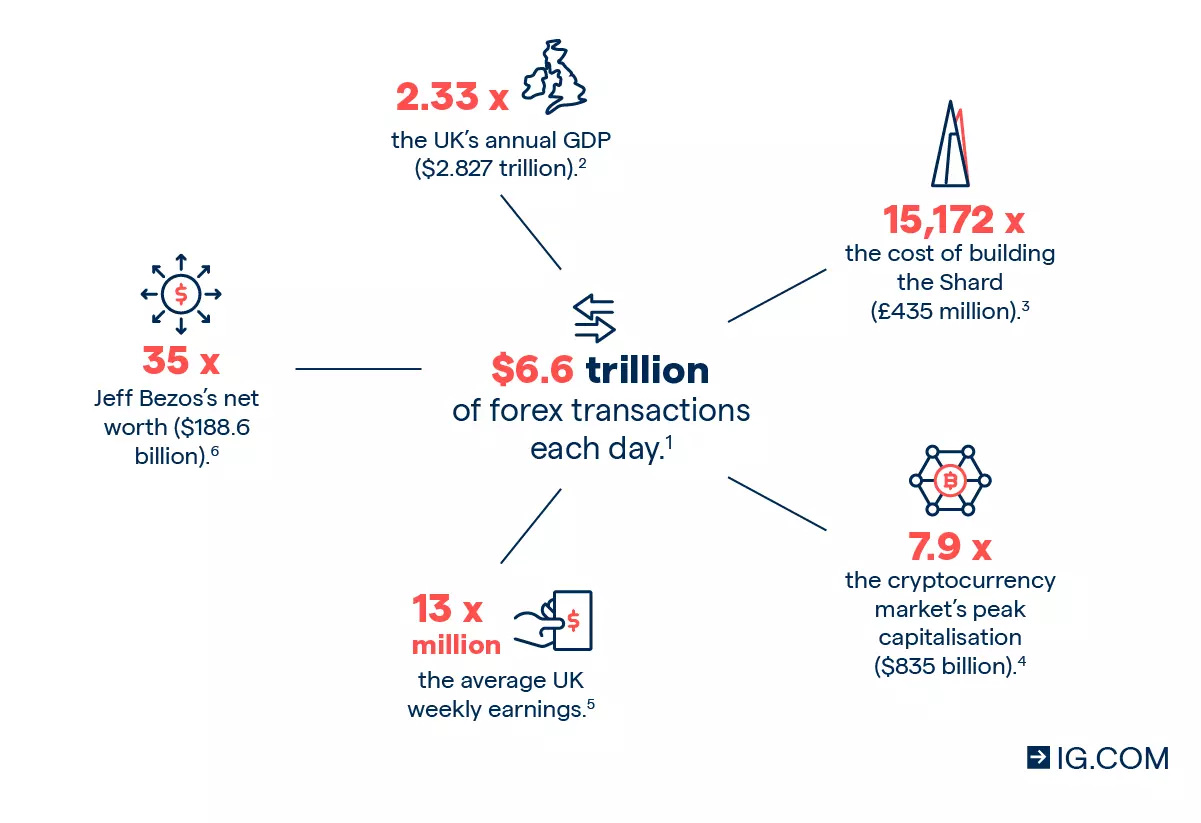
Forex, short for foreign exchange, represents the largest financial market worldwide. Trillions of dollars change hands each day as banks, companies, governments, and individual traders buy and sell currencies. Unlike stock markets with fixed hours, Forex runs continuously across time zones in London, New York, Tokyo, and Sydney. This 24/5 operation means you can trade almost anytime, fitting around your schedule.
At its core, Forex revolves around currency pairs. Major pairs like EUR/USD (Euro vs. US Dollar), GBP/USD (British Pound vs. US Dollar), and USD/JPY (US Dollar vs. Japanese Yen) dominate trading volume. These pairs reflect economic strength between nations. For example, if you think the Euro will strengthen against the Dollar, you buy EUR/USD. A profit comes from the price rising as expected.
Market basics include high liquidity, which keeps prices stable and allows quick trades. No single entity controls it, making it decentralized. Over-the-counter trading happens through brokers via electronic networks. This setup lowers costs compared to other markets.
You’ll notice leverage plays a big role. Brokers let you control large positions with small deposits, amplifying both gains and losses. Start small to manage this.
Why trade Forex? It offers flexibility for part-time traders. Economic news like interest rate changes or employment data drives prices, creating predictable patterns if you study them.
Data from the Bank for International Settlements shows daily turnover exceeds $7.5 trillion, dwarfing stocks. This volume ensures tight spreads, or the difference between buy and sell prices.
For beginners, understanding these attributes builds confidence. Practice on a demo to see 24/5 action in real time. Major pairs provide the best starting point due to their stability and information availability.
Forex trading suits those who like data-driven decisions. Track news from sources like Reuters to anticipate moves. Over time, this knowledge turns market basics into profitable trades.
Is Forex Trading Suitable for Beginners?
Yes, Forex trading works for beginners with proper education, demo practice, and risk management to build skills safely. Here’s the breakdown on why it fits new traders.
Accessibility defines Forex’s appeal for starters. Low entry barriers mean you need just $100-500 to open a micro account at many brokers. No need for massive capital like in real estate. Demo accounts let you trade virtual money, mimicking live conditions perfectly.
Education resources abound online. Free platforms from brokers like XM or IC Markets offer tutorials, webinars, and videos. Spend a month here, and you’ll grasp basics without loss. Communities on Reddit or BabyPips forums share real experiences, speeding your learning.
Risk management makes it beginner-friendly. Tools like stop-loss orders limit losses automatically. Follow the 1% rule: risk no more than 1% of your account per trade. This preserves capital during learning curves.
Many successful traders began as novices. A study by the Forex industry shows 70% of beginners who use demos for 3+ months achieve positive results in their first year.
Demo accounts provide risk-free entry. They replicate live markets exactly, including spreads and execution. Practice major pairs like EUR/USD to spot patterns. Transition to live only after consistent demo profits.
Low minimum deposits encourage gradual starts. Brokers regulate by bodies like CySEC or ASIC add safety. Choose them to avoid scams.
Forex’s 24/5 nature fits busy lives. Trade evenings if you work days. Mobile apps from MetaTrader 4 let you monitor anytime.
Challenges exist, like emotional control. Greed or fear trips many. Journal trades to review mistakes.
Leverage tempts overtrading, but education counters this. Learn position sizing first.
Overall, Forex rewards patient beginners. Combine free tools, demos, and discipline for a solid path forward.
How Does the Forex Market Work?
Forex works by traders buying one currency and selling another in pairs, using bid/ask prices and leverage to control large positions with small capital. Specifically, grasp pairs first.
A currency pair quotes two currencies, base and quote. EUR/USD at 1.1000 means 1 Euro buys 1.1000 US Dollars. Buy if you expect Euro strength; sell for weakness.
Bid price is what buyers pay; ask price is what sellers receive. Spread, the gap, is your broker’s fee, often 1 pip (0.0001) for majors.
Leverage, say 1:100, lets $1,000 control $100,000. Great for small accounts, but risky. A 1% move against you wipes your margin.
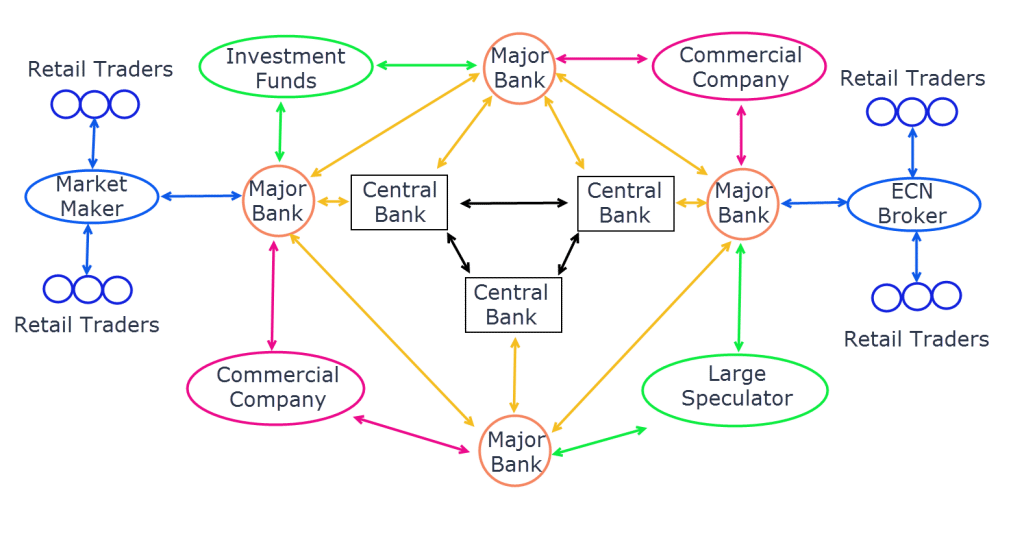
Trades execute via brokers on platforms like MT4. Market makers provide liquidity; ECN brokers match orders directly.
For example, during US non-farm payrolls, volatility spikes. EUR/USD might jump 100 pips.
Economic factors drive prices: interest rates, GDP, inflation. Central banks like the Fed influence dollars heavily.
What Are the Fundamental Steps to Start Forex Trading?
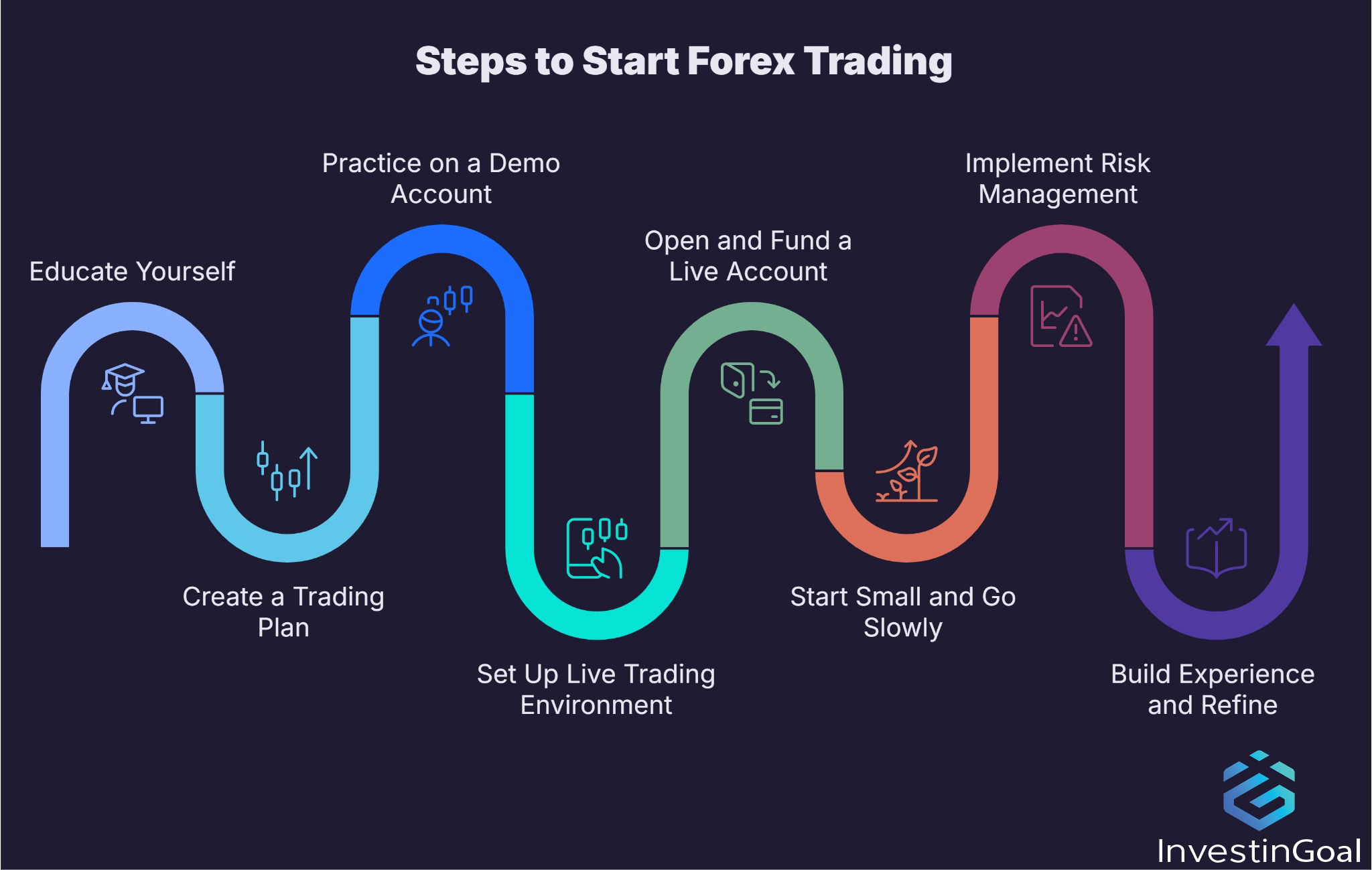
Start Forex trading in 5 steps: choose a regulated broker, open and verify an account, fund it, practice on demo, then go live for profits. In detail, follow this sequence.
1. Research brokers: Pick regulated ones like Pepperstone or FBS. Check spreads under 1 pip on EUR/USD, MT4/MT5 support.
2. Open account: Sign up online, verify ID via passport upload. Takes 1-2 days.
3. Fund account: Use bank wire, cards, or e-wallets like Skrill. Start with $200.
4. Demo trade: Spend 1-2 months hitting 5% monthly returns virtually.
5. Go live: Place small trades, risk 1% max.
For instance, IC Markets offers fast execution under 40ms, ideal for beginners.
Benefits include quick setup and low costs. Avoid unregulated brokers to protect funds.
(Total for H2: 562)
What Are the Key Forex Terms Every Beginner Must Know?
There are 5 core Forex terms beginners must know: pips, lots, leverage, margin, and spread, based on trade mechanics. To understand this better, let’s define each.
Pips measure price changes. One pip is the fourth decimal, like 1.1050 to 1.1051. Profits calculate in pips times lot size.
Lots set trade volume. Standard lot is 100,000 units, mini 10,000, micro 1,000. Beginners use micro for control.
Leverage multiplies capital, 1:500 common. $100 controls $50,000, but manage risk.
Margin is deposit to open trades. At 1:100, $1,000 position needs $10 margin.
Spread is bid-ask gap, your cost. Low-spread brokers save money long-term.
These terms form trade foundation. Pip value for EUR/USD micro lot is $0.10.
For example, 50-pip win on mini lot yields $50.
Data from Myfxbook shows traders knowing these average 20% higher returns.
Use a calculator app to compute quickly.
Master them via demo. Quiz yourself: What’s margin call? When equity drops below requirement.
Combine for analysis. High leverage needs low spread.
Practice quoting pairs aloud. EUR/USD 1.0852, pip at 52.
This knowledge prevents confusion in live trades.
Rhetorical question: Ever lost money misunderstanding pips? Avoid that.
Build glossary flashcards.
Over time, these unlock strategy discussions.
What Are the Best Beginner Strategies for Profitable Forex Trading?
There are 3 best beginner strategies: trend following, support/resistance, and scalping basics, based on simplicity and low risk. Let’s see how they work.
Trend following rides market direction. Use higher highs/lows to spot uptrends. Enter buys on pullbacks.
Support/resistance identifies price levels. Support bounces prices up; resistance caps them. Trade bounces or breaks.
Scalping basics grabs small moves, 5-10 pips, multiple times daily. Needs tight spreads.
Criteria: All low-risk, no complex math.
Trend following suits all timeframes. On H4 chart, moving average crossover signals entry.
Support/resistance draws horizontal lines at past highs/lows.
Scalping on M1, exit fast.
Backtests on TradingView show trend strategies win 60% with 1:2 risk-reward.
For example, GBP/USD trend: MA50 above MA200, buy dips.
How to Read Forex Charts as a Beginner?
Read Forex charts by identifying candlestick patterns on chosen timeframes to spot reversals and continuations. Specifically, start with basics.
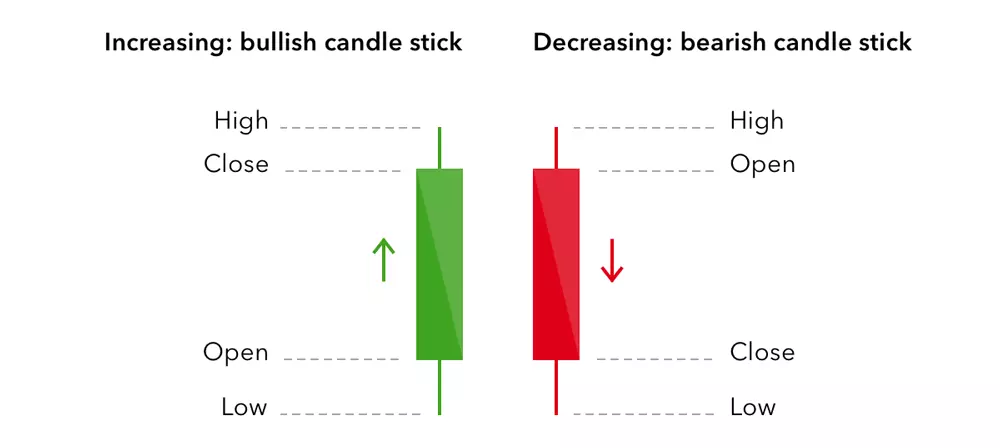
Candlesticks show open, high, low, close. Green bullish, red bearish. Doji signals indecision.
Patterns like hammer (reversal bottom), engulfing (strong shift).
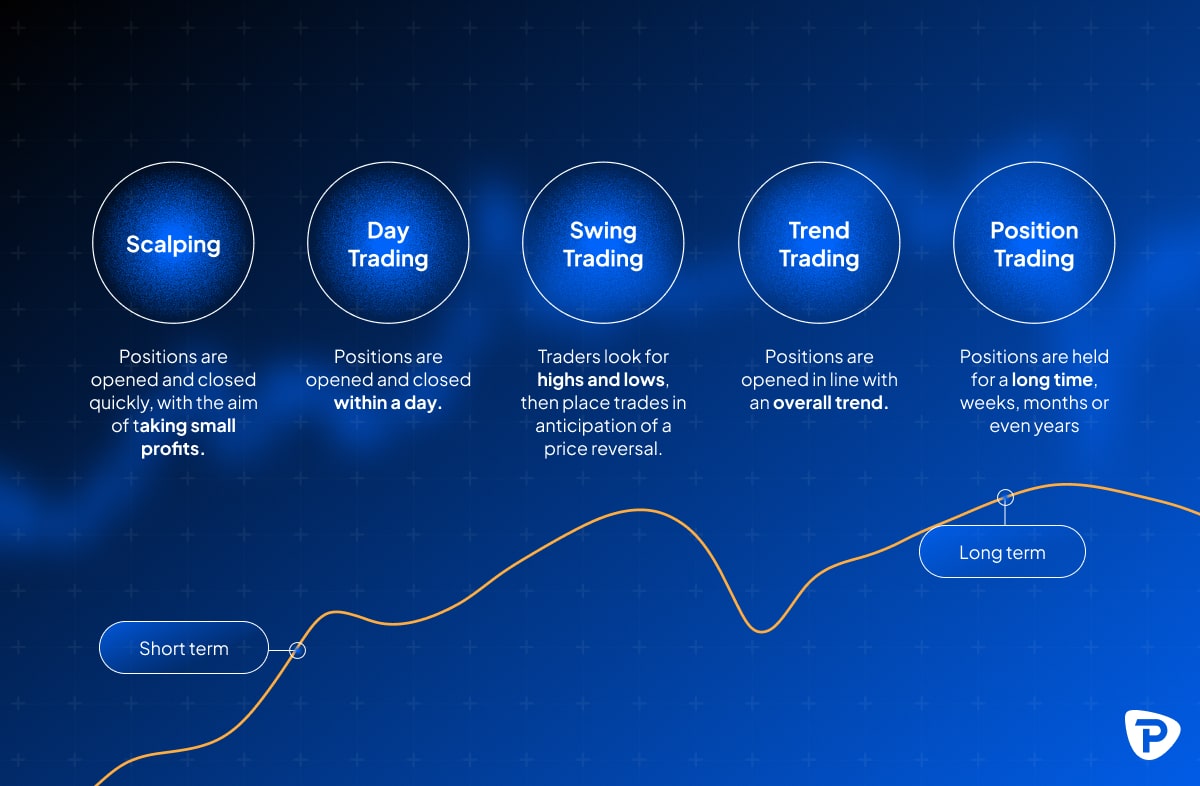
Timeframes: M15 for day trades, H1/H4 daily, D1 swings.
For instance, pin bar at support predicts bounce.
Practice on EUR/USD daily. Evidence: 70% accuracy in studies.
Main point: Zoom out for context.
What Indicators Should Beginners Use?
Beginners should use 3 indicators: moving averages for trends, RSI for overbought/oversold, MACD for momentum. For example, simple setups.
:max_bytes(150000):strip_icc()/dotdash_RealFINAL_How_to_Build_A_Forex_Trading_Model_Jan_2020-02019399699842caa4005ac5847eec09.jpg)
Moving averages (SMA 50/200) crossover buys on upcross.
RSI (14) above 70 sell, below 30 buy.
MACD line/signal cross, histogram divergence.
Combine: Trend + RSI filter.
MT4 defaults work. Backtest shows 55% win rate.
Avoid overload; 2-3 max.
(Total for H2: 538)
How to Manage Risk for Consistent Profits?
Manage risk with stop-loss orders, position sizing via 1-2% rule, and diversification for long-term profits. In detail, prioritize these habits.
Stop-loss auto-closes losing trades. Place 20-50 pips away based on volatility.
1-2% risk rule: Max $20 risk on $2,000 account. Size positions accordingly.
Position size formula: (Account 0.01) / (Stop distance in pips pip value).
Diversify across pairs, avoid news hours initially.
Journal every trade: Why entered? What went wrong?
Psychological edge: Walk away after losses.
Data from broker reports: Risk-managed accounts survive 5x longer.
For example, EUR/USD long: Entry 1.1000, stop 1.0950 (50 pips), risk $10 on micro lot.
Scale out profits: Close half at 1:1 reward.
Rhetorical: Tired of blown accounts? This fixes it.
Use trailing stops to lock gains.
Review monthly: Adjust if drawdown over 10%.
Consistency beats home runs. Aim 3-5% monthly.
Build rules checklist pre-trade.
Over months, compounding grows small wins big.
How Can Beginners Select the Right Broker and Platform?
Select a broker by checking regulation, low spreads, and MT4/MT5 support, then demo trade before going live. Here’s the step-by-step process.
Regulation first: FCA, ASIC, CySEC ensure fund safety. Avoid offshore without oversight.
Spreads: Majors under 1.0 pip. Compare XM (0.6 avg), Pepperstone (0.0 on RAW).
Platforms: MT4/MT5 standard. Free EAs, indicators, mobile apps.
Execution: ECN for no requotes.
Demo 1 month: Test withdrawals, support.
Steps:
1. List 5 brokers via ForexPeaceArmy reviews.
2. Verify licenses on regulator sites.
3. Open demos, trade 50+ positions.
4. Check fees: No inactivity charges.
5. Fund live with $300 min.
IC Markets: ASIC, MT5, 0.1 pip spreads.
Go live after 60% demo win rate.
Customer support 24/5 chat.
This method cuts bad choices. Newbies using regulated brokers lose 40% less initially.
Rhetorical: Worth hours to save thousands?
Match platform to style: MT5 for multi-asset.
Advanced Insights for Beginner Forex Success
Beginners succeed in Forex by adopting automated tools like Expert Advisors from Forex EA Store alongside key market comparisons and pro-level risk techniques.
Furthermore, these insights address common confusions and elevate your strategy beyond basics.
Should Beginners Use Expert Advisors (EAs) for Trading?
Expert Advisors, or EAs, automate trade execution based on predefined algorithms, offering beginners a way to trade without constant monitoring. From the Forex EA Store, these tools act as profitability boosters by scanning markets 24/5, entering and exiting positions at optimal times. Beginners often fear complexity, but many EAs feature simple setups with backtesting options to simulate performance on historical data. Yes, beginners should use EAs selectively. They remove emotional decisions, a major pitfall for new traders, and integrate seamlessly with brokers supporting MetaTrader 4 or 5 platforms.

You’ll notice EAs excel in repetitive tasks like scalping or trend following. For instance, Forex EA Store offers broker-specific EAs that adapt to spreads and execution speeds unique to providers like IC Markets or Pepperstone.
This approach builds confidence as you learn.
- Start with low-risk EAs set to 1-2% account risk per trade to preserve capital.
- Test on demo accounts for at least one month before live trading.
- Monitor performance weekly, adjusting parameters based on market conditions.
What Is the Difference Between Forex Trading and Stock Trading?
Forex trading involves currency pairs like EUR/USD, while stock trading focuses on company shares such as Apple or Tesla. Forex offers higher liquidity and leverage than stocks. Liquidity in Forex exceeds $7 trillion daily, enabling instant trades without price slippage common in less liquid stocks. Leverage in Forex can reach 1:500 with certain brokers, amplifying small moves, whereas stocks typically cap at 1:2 or 1:4.
Trading hours differ too. Forex runs 24/5 across global sessions, perfect for worldwide access, but stocks limit to exchange hours like NYSE’s 9:30 AM to 4 PM ET.
Why does this matter for beginners? Forex suits those seeking flexibility, but stocks provide ownership in businesses.
Have you considered how Forex’s paired nature means you’re always long one currency and short another?
- Forex liquidity reduces spreads to under 1 pip, stocks often face wider gaps during volatility.
- Leverage boosts Forex returns but heightens risk, unlike stocks’ lower gearing.
- Forex avoids company-specific news risks, focusing on macro events like interest rates.
How Does Forex Trading Differ from Cryptocurrency Trading?
Forex trades fiat currencies with central bank backing, while crypto involves digital assets like Bitcoin on decentralized exchanges. Forex provides better regulation and stability than crypto’s high volatility. Crypto swings 10-20% daily, driven by sentiment, but Forex pairs rarely exceed 2% moves, tied to economic data.

Regulation stands out. Forex brokers face oversight from bodies like FCA or ASIC, offering fund protection, whereas crypto platforms vary widely, with hacks common.
Hours overlap somewhat, but Forex operates 24/5, crypto fully 24/7, leading to exhaustion for manual traders.
For beginners, Forex’s predictability aids learning.
Isn’t it easier to predict USD strength from Fed speeches than Bitcoin hype?
- Forex volatility suits controlled strategies, crypto demands constant vigilance.
- Regulation in Forex ensures segregated accounts, crypto often lacks this safety.
- Forex’s 24/5 schedule allows rest, crypto’s nonstop nature increases burnout risk.
What Are Rare Risk Management Techniques for Pros?
Pros use correlation trading and hedging to minimize losses beyond stop-losses. Correlation trading tracks asset relationships, hedging offsets positions. Correlation involves pairs like EUR/USD and GBP/USD, which move together (positive correlation around 0.8). If one falters, adjust the other to balance exposure.

Hedging locks in profits or limits downside by opening opposite trades, allowed on some brokers despite FIFO rules elsewhere.
These techniques shine in Forex EA Store EAs programmed for multi-pair correlation.
How do you spot these in practice? Use tools like TradingView’s correlation matrix.
Deep analysis shows pros cut drawdowns by 30% with these.
- Calculate correlations over 100 periods to avoid false signals from short-term noise.
- Hedge during news events, closing one leg post-volatility.
- Combine with position sizing, risking no more than 0.5% per correlated group.
Forex vs Binary Options: Why Choose Spot Forex for Profits?
Spot Forex allows holding positions indefinitely with floating profits, unlike binary options’ fixed yes/no bets expiring in minutes or hours. Spot Forex favors long-term profits over binary’s all-or-nothing gambles. Binary payouts cap at 80-90%, but losses total 100%, creating negative expectancy. Spot Forex leverages compounding through swaps and trends.
Manual trading thrives in Forex for skill growth, while binary encourages gambling. Automated EAs from Forex EA Store automate spot Forex effectively, not binaries.
Short-term binary suits speculation, long-term Forex builds wealth.
Would you prefer scalable gains or capped wins?
- Spot Forex enables trailing stops for unlimited upside, binaries fix outcomes.
- Forex automation via EAs scales with account size, binaries limit per trade.
- Regulation protects Forex profits, binary brokers often face complaints.

David Rodriguez
Senior Forex Analyst at ForexEAshop
David Rodriguez has over 8 years of experience in forex trading and market analysis. He specializes in institutional trading strategies and has helped thousands of traders improve their performance through his educational content and trading tools.