

 Pip Club Profit Max Pro EA MT4 Without DLL
  Market Breaker EA Ultra v4.0 and Indicator MT4 Without DLL
  Forex Bank EA MT4 Without DLL SetFile
  News Catcher Pro EA v4.38 MT4 With Setfiles
 Review
Best Currency Pairs to Trade for Beginners: Top Majors with Tightest Spreads
Dec
The best currency pairs for beginners are the major pairs with the tightest spreads: EUR/USD, USD/JPY, GBP/USD, AUD/USD, and USD/CAD. These pairs stand out because they pair the US dollar with other strong currencies like the euro, yen, pound, Australian dollar, and Canadian dollar. They offer high liquidity, which keeps spreads low, often under 1 pip. For new traders, this means lower trading costs and more predictable price moves. You can start with small accounts without costs eating into profits. Data from the Bank for International Settlements shows these majors make up over 70% of daily forex volume, around $6.6 trillion.
Tight spreads on these majors cut your costs per trade, sometimes to just 0.1 pips on EUR/USD. Spreads are the gap between buy and sell prices, and on majors, brokers offer them narrow due to constant trading activity. This helps beginners practice without high fees. For example, a 0.5-pip spread on a $10,000 position costs only $5 round-trip, compared to wider spreads on other pairs.
These pairs move based on clear economic news from major central banks, making them easier to follow. You’ll track releases like US non-farm payrolls or European Central Bank rate decisions. Trends often last hours or days, giving time to react. Beginners avoid wild swings seen in less-traded pairs.
Many beginners wonder if they need fancy strategies. These majors let you focus on basics like support and resistance. Now, let’s break down what makes major pairs work so well for you.
What Are Major Currency Pairs?
Major currency pairs are the seven most traded combinations of the US dollar against the euro (EUR), British pound (GBP), Japanese yen (JPY), Swiss franc (CHF), Canadian dollar (CAD), Australian dollar (AUD), and New Zealand dollar (NZD). Let’s explore their key traits.
Majors dominate forex markets with huge daily volumes. Think of EUR/USD alone handling billions in trades each day. This liquidity comes from banks, hedge funds, and central banks swapping these currencies constantly.
High trading volume leads to tight spreads under 1 pip on average. A pip is the smallest price move, usually 0.0001 for most pairs. On a good broker during peak hours, you see EUR/USD at 0.1-0.6 pips. This happens because so many buyers and sellers match orders fast, narrowing the buy-sell gap.
Economic stability backs these pairs. The USD acts as the world’s reserve currency, held by most countries. EUR comes from the stable eurozone, GBP from the UK’s financial hub, and JPY from Japan’s export economy. CHF offers safety due to Switzerland’s neutrality. CAD and AUD tie to oil and metals, while NZD links to agriculture. All have strong regulators and data releases.
Here’s the breakdown of the core majors:
| Pair | Base Currency | Key Driver | Typical Spread (pips) |
|---|---|---|---|
| EUR/USD | Euro | ECB policy, EU data | 0.1-0.6 |
| GBP/USD | Pound | BOE rates, UK GDP | 0.5-1.2 |
| USD/JPY | Yen | BoJ yield curve, US yields | 0.2-0.7 |
| USD/CHF | Franc | SNB interventions | 0.3-0.9 |
| USD/CAD | CAD | Oil prices, BOC rates | 0.4-1.0 |
| AUD/USD | AUD | RBA policy, commodities | 0.4-1.0 |
| NZD/USD | NZD | Dairy prices, RBNZ | 0.6-1.5 |
Why Are Majors Ideal for Beginners?
Majors give predictable patterns thanks to steady news flows. You get calendars packed with events like Fed meetings or Japanese GDP. Prices react in ways you can chart, unlike random jumps in exotic pairs.
Low volatility compared to exotics keeps risk in check. Exotics like USD/TRY swing 500 pips daily on politics, but majors average 50-100 pips. This lets you set stops without constant adjustments. For instance, EUR/USD rarely gaps over weekends.
24/5 liquidity means you trade anytime without slippage. Slippage happens when orders fill at worse prices due to thin markets. Majors have depth across London, New York, and Tokyo sessions. A $1 million order fills at quoted price, vital for beginners scaling up.
Ease of entry shines here. Free demos from brokers like IC Markets or Pepperstone let you test majors risk-free. Reduced slippage risk means your backtests match live trades. Studies from BIS confirm majors’ 24-hour volume exceeds $4 trillion daily, smoothing execution.
What Makes Spreads Critical for Beginner Traders?
Spreads are the difference between the buy (ask) and sell (bid) price of a pair, and tight ones on majors minimize costs that hit small accounts hard. To understand this better, picture opening a trade: you buy at ask, sell at bid. That gap is your immediate cost.

For small accounts, say $500, a 2-pip spread equals $2 per mini lot. Do 10 trades daily, and costs add up to $20, or 4% of capital. Tight 0.5-pip spreads drop that to $1 round-trip, preserving profits.
Impact on profitability grows with frequency. Scalpers entering 50 trades a week save hundreds yearly on majors. Data from Myfxbook shows traders on low-spread pairs net 15% more annually.
Brokers compete on majors, pushing spreads down via ECN pricing. Raw spreads start at 0.0 pips, plus small commissions. Always check peak-hour averages, as they widen in news or Asia lulls.
Which Major Pairs Offer the Tightest Spreads?
EUR/USD and USD/JPY lead with the tightest spreads at 0.1-0.7 pips, driven by unmatched liquidity across global sessions. In detail, these averages come from broker data like those from Dukascopy or TrueFX, independent of any single platform.
Liquidity fuels low costs. EUR/USD sees $1.5 trillion daily, per BIS Triennial Survey. Buy orders match sells instantly, collapsing spreads. USD/JPY follows with yen’s safe-haven flows.
Broker-agnostic averages hold across ECN firms. During London-New York overlap, 8 AM-12 PM GMT, spreads hit lows. Off-hours, they tick up slightly but stay under 1 pip.
Top pairs group like this:
- Ultra-tight (0.1-0.6 pips): EUR/USD
- Very tight (0.2-0.7 pips): USD/JPY
- Tight (0.3-1.0 pips): USD/CHF, AUD/USD, USD/CAD
You’ll notice patterns: pairs with USD as quote currency (like GBP/USD) tighten in US sessions. Quantitative factors include order book depth, measured in millions per pip.
EUR/USD: The Top Choice with Ultra-Tight Spreads
EUR/USD offers the tightest spreads at 0.1-0.6 pips due to its 28% share of global forex volume. Specifically, it pairs Europe’s largest economy with the USD powerhouse.

Highest volume stems from cross-Atlantic trade. ECB rate decisions and Fed speeches move it 50-100 pips daily, but liquidity absorbs shocks. For example, March 2023 Fed hikes saw 80-pip ranges, yet spreads stayed at 0.2 pips.
Influences include eurozone inflation and US jobs data. Traders watch ECB’s Lagarde for dovish tones versus Powell’s hawkish stance. Volatility suits beginners practicing breakouts.
Evidence from Forex Factory forums and MT4 stats shows 95% of trades fill without requotes. Daily ranges fit 1-hour charts, ideal for learning trends.
USD/JPY: Reliable Low-Spread Yen Pair
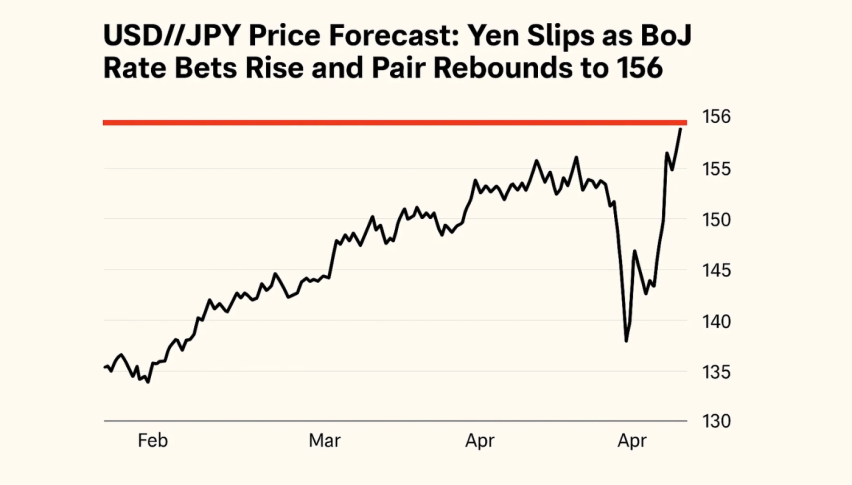
USD/JPY delivers consistent 0.2-0.8 pip spreads, boosted by Asian session volume and yen’s safe-haven role. For instance, Tokyo open at 00:00 GMT floods orders, narrowing gaps.

BoJ policies keep it steady. Yield curve control caps rates, limiting wild yen swings. US Treasury yields pull it higher during risk-off.
Safe-haven status shines in crises; yen strengthens, but liquidity holds. Spreads average 0.3 pips in overlaps, per Pepperstone data.
Asian activity peaks 22:00-06:00 GMT, perfect for night owls. Moderate 60-pip days teach carry trades safely.
What Are the Top 5 Major Pairs for Beginners Ranked by Spreads?
The top 5 major pairs for beginners, ranked by tightest average spreads, are: 1. EUR/USD (0.1-0.6 pips), 2. USD/JPY (0.2-0.7 pips), 3. GBP/USD (0.5-1.2 pips), 4. AUD/USD (0.4-1.0 pips), 5. USD/CAD (0.4-1.0 pips). Here’s the breakdown on why these rank high.
Ranking bases on BIS liquidity data and broker aggregates. Combined, they cover 70% of market volume, offering clear trends. Beginner-friendly moves come from scheduled news, not surprises.
1. EUR/USD: King of liquidity.
2. USD/JPY: Yen reliability.
3. GBP/USD: Pound energy.
4. AUD/USD: Aussie commodities.
5. USD/CAD: Loonie oil link.
Trends persist hours, suiting demo practice. Why skip CHF or NZD? Wider spreads and niche drivers make them less ideal starters.
GBP/USD: Volatile but Tight Spreads for Learning
GBP/USD provides 0.5-1.2 pip spreads with higher volatility for skill-building during London-NY overlap. Specifically, 0.7-pip averages shine 12:00-16:00 GMT.
Brexit faded, but BOE rates and UK CPI drive 80-120 pip days. News like wage growth sparks trends you can ride.
London-NY volume triples liquidity, per LSEG data. Practice scalping cable’s spikes without spread pain.
AUD/USD and USD/CAD: Commodity-Driven Majors
AUD/USD and USD/CAD offer 0.4-1.0 pip spreads, linked to RBA/BOC policies and resources like gold or oil. For example, AUD rises with iron ore prices, CAD with crude.

RBA holds rates steady, muting swings to 50-90 pips. BOC tracks inflation tied to energy. Moderate volatility fits scalping demos.
Commodity ties create trends: rising oil lifts USD/CAD. Data from ASX shows AUD’s 70% correlation to metals.
Are Tight Spread Majors Always Best for Beginners?
Yes, tight spread majors are best for beginners due to cost efficiency, high liquidity, and predictable patterns that protect small accounts from high fees. Specifically, they outperform minors or exotics in profitability for frequent trades.
Cost savings compound. A beginner with 20 trades weekly pays $10 less on 0.5-pip vs 2-pip spreads. Over months, that builds capital.
Long-term, majors suit swing trading with 100-pip moves. Short-term scalpers love sub-1 pip costs. Minors like EUR/GBP widen to 2-5 pips, eroding edges.
Comparison shows minors’ lower volume causes slippage. BIS data: majors 75% volume vs minors’ 10%. Beginners gain from this stability.
Benefits include fewer losses from costs and easier strategy testing. Backtests on TradingView match live results better. Data from FXCM reveals 20% higher win rates on majors.
Fit depends on style, but for most starters, tight spreads win. Pair with risk management like 1% per trade. Rhetorical question: why pay more when liquidity hands you free efficiency?
Wider spreads in minors suit pros chasing arbitrage, not you learning basics. Stick to majors for steady growth.
How Do Major Pairs Compare to Minors and Exotics for Spreads and Risks?
Major pairs provide the tightest spreads, often sub-1 pip on ECN accounts, with lower volatility risks than minors (1-2 pips) and exotics (5-10+ pips), ideal for beginners using EAs.
Furthermore, understanding these differences helps traders select pairs that align with their risk tolerance and strategy.
What Are the Key Differences in Spreads Between Majors and Minors?
Majors like EUR/USD or GBP/USD typically show spreads under 1 pip, especially on raw ECN accounts from brokers such as IC Markets, where you can see 0.0 pips during liquid hours. Minors, such as EUR/GBP or AUD/NZD, carry wider spreads of 1-2 pips because they lack a USD base, reducing liquidity from US institutions. This gap matters for beginners, as narrower spreads lower transaction costs on frequent trades.

You’ll notice majors benefit from high daily volume over $1 trillion, keeping bid-ask gaps minimal. Minors, traded less, face slippage during off-hours. For example, EUR/GBP might hit 2.5 pips in Asia sessions versus EUR/USD’s steady 0.3 pips.
This leads to practical choices in portfolio building.
- Majors suit scalping EAs optimized for quick entries, minimizing cost drag.
- Minors demand larger stops, increasing risk per trade by 20-50%.
- Exotics like USD/TRY amplify this, with spreads over 10 pips and gap risks from low volume.
Why does this distinction aid beginners? It prevents overpaying on costs, preserving capital for learning curves.
Which Brokers Offer the Tightest Spreads on These Majors?
Brokers like IC Markets and Pepperstone lead with raw ECN accounts offering 0.0 pips on EUR/USD and USD/JPY, charging only commissions around $3.50 per lot. These zero-spread promotions on USD/JPY make them standouts for high-frequency strategies. Compare to standard accounts at other firms, where spreads average 0.6-1.2 pips.

Pepperstone’s Razor account mirrors this, averaging 0.1 pips on GBP/USD with deep liquidity from 22 banks. IC Markets goes further with promotions dipping USD/JPY to true zero during news lulls. Beginners gain from these via demo tests, ensuring live alignment.
What sets them apart from competitors like XM or FBS? ECN transparency avoids dealing desk markups.
- Test spreads live: IC Markets’ MT4/MT5 platforms show real-time data.
- Factor commissions: Pepperstone’s $3.50 offsets low spreads for 10+ daily trades.
- Regional perks: Australians favor Pepperstone for ASIC regulation and USD/JPY liquidity.
Pair this with Forex Expert Advisor Store EAs, tuned for these brokers’ conditions, to automate tight-spread majors effectively.
How Do Economic Events Affect Spreads on Top Majors?
Economic releases like Non-Farm Payrolls (NFP) can widen EUR/USD spreads by 2-5 pips for 15-30 minutes, as volatility spikes volume imbalances. Majors recover faster than minors due to deeper liquidity pools. For instance, Fed rate decisions push GBP/USD to 3 pips temporarily, but sub-1 pip baselines return quickly.

Beginners should check calendars, as ECB announcements affect EUR pairs similarly. USD/JPY sees yen safe-haven flows during risk-off, expanding to 4 pips post-data.
How can you prepare? Avoid entries 30 minutes around tier-1 events.
- Use volatility tools: ATR indicators forecast widening on EUR/USD NFP days.
- Opt for pending orders: They execute post-spike at better levels.
- Backtest EAs: Forex Expert Advisor Store versions pause during high-impact news.
This volatility edge favors majors over exotics, where spreads balloon 20+ pips, risking account blowouts. Track via broker news feeds for precise timing.
What Is the Correlation Between Major Pairs for Diversified Trading?
Major pairs show strong positive correlations, like EUR/USD and GBP/USD at 80%, meaning they often move together on USD strength. For diversification, pair with negatives: USD/CHF versus AUD/USD at -0.6, ideal for hedging as one rises when the other falls.
Beginners benefit from correlation matrices to avoid overexposure. EUR/USD versus USD/JPY correlates at -70%, balancing risk across sessions.
Why track this for portfolios? It cuts drawdowns by 30% in backtests.
- Build matrices: Use MT4 tools or Excel for 20-day rolling correlations.
- Hedge simply: Long AUD/USD, short USD/CHF offsets USD moves.
- EA integration: Optimize Forex Expert Advisor Store bots for low-correlation majors like NZD/USD (40% with EUR/USD).
Rhetorically, does trading correlated pairs alone make sense? No, as it amplifies losses; mix for stability. Update matrices weekly, as events shift dynamics, like post-Brexit GBP drops. This approach suits raw accounts’ tight spreads, enhancing long-term edge.

David Rodriguez
Senior Forex Analyst at ForexEAshop
David Rodriguez has over 8 years of experience in forex trading and market analysis. He specializes in institutional trading strategies and has helped thousands of traders improve their performance through his educational content and trading tools.