

Review
Discover the Best Forex Brokers 2022: Top US Regulated Picks for Low Spreads

Dec
The top US-regulated Forex brokers for low spreads in 2022 are OANDA, FOREX.com, Interactive Brokers, IG US, and tastyfx, all overseen by the CFTC and NFA with average spreads under 0.6 pips on major pairs like EUR/USD. These brokers stand out because they follow strict US rules that protect your money while keeping trading costs low. You get client fund separation, leverage limited to 50:1, and clear reporting on every trade. Low spreads mean you pay less to enter and exit positions, which adds up fast if you trade often.
US regulation offers stronger safeguards than offshore options through scam prevention and easy recourse if issues arise. Offshore brokers might promise higher leverage or no limits, but they often lack oversight, leading to frozen accounts or lost funds with no way to recover. US brokers must register with the CFTC and join the NFA, so your deposits stay in separate accounts, and you can file complaints that actually get reviewed.
Low spreads directly boost your profitability, especially for frequent trades or automated systems like Expert Advisors. Think of spreads as the built-in fee every trade carries, the gap between buy and sell prices. Narrow that gap, and more of your profits stay in your pocket, particularly when scalping or day trading where you make dozens of moves daily.
Now that you see why these picks matter, let’s break down the details starting with what makes US-regulated brokers reliable.
What Are US-Regulated Forex Brokers?
US-regulated Forex brokers are CFTC-registered firms under NFA oversight, featuring client fund segregation, 50:1 leverage caps, and transparency reporting for retail traders. Specifically, this setup protects everyday traders like you from the risks common in unregulated markets. To understand this better, picture the CFTC as the main watchdog, similar to the SEC for stocks, ensuring brokers follow rules designed to prevent another financial crisis like 2008.
The core of US regulation comes from the Commodity Futures Trading Commission (CFTC) and National Futures Association (NFA). These bodies require brokers to segregate your funds, meaning your money sits in a separate bank account, not mixed with the broker’s operating cash. If the broker goes bust, you get your money back through insurance or liquidation priority. Leverage tops out at 50:1 on major pairs and even lower on minors, which stops you from overextending and blowing your account on one bad trade.
Transparency reporting means brokers publish daily trade volumes, spreads, and slippage data. This lets you verify if their claims match reality. For retail traders, who make up most Forex volume, these rules create a fair field. Have you ever worried about a broker manipulating prices? US rules ban that with FIFO order rules, no hedging allowed in one account, and audits every year.
Is US Regulation Better Than Offshore Regulation?
Yes, US regulation provides better protection through stricter scam prevention and reliable recourse compared to offshore setups. Offshore brokers, often in places like Cyprus or the Seychelles, face lighter rules, so they can offer 500:1 leverage or bonuses that hide catches. For example, client funds might not be segregated, leading to losses if the broker fails, as seen in cases like FXCM’s 2017 troubles before stricter oversight.
Scam prevention shines in the US because the NFA runs background checks on owners and monitors complaints. Offshore? You might deal with fly-by-night operations that vanish with your deposits. Recourse works too: File with the NFA, and they investigate, often forcing payouts. Offshore victims chase shadows through slow international courts.
Data backs this. A 2021 NFA report showed zero major US broker failures affecting clients, while offshore scandals hit headlines yearly. You trade with peace of mind, knowing leverage caps teach discipline and transparency lets you spot wide spreads before committing.
What Platforms Do US Brokers Offer?
US brokers mainly offer MT4, MT5, and proprietary platforms with fast execution and advanced order types like market, limit, and stop. Platforms matter because they handle your trades without delay, crucial in Forex where seconds count. MT4 remains popular for its simplicity and Expert Advisor support, letting you run automated strategies smoothly.
MT5 builds on that with more timeframes, hedging options where allowed, and economic calendars built-in. Proprietary platforms, like OANDA’s fxTrade, add custom tools such as depth of market views and API access for coders. Execution speed averages under 100ms on these, thanks to ECN-style routing that hits multiple liquidity providers.
Order types include one-click trading and trailing stops, perfect for managing volatility. For instance, Interactive Brokers’ Trader Workstation packs in algo trading for pros. All support mobile apps with push alerts, so you never miss a move. These features keep your trades precise, reducing slippage on news events.
Why Prioritize Low Spreads in Forex Trading?
Low spreads are the smallest gap between bid and ask prices, acting as your main trading cost and hugely impacting profitability for scalping or day trading. Here’s the breakdown: Every trade pays this “toll,” so tight spreads let you keep more gains, especially if you enter and exit positions quickly. In detail, scalpers might do 50 trades a day; even 0.1 pip wider spreads eat thousands yearly on a $10,000 account.
Spreads directly hit your bottom line. On EUR/USD, a 0.2 pip spread costs $2 per standard lot round trip. Widen to 1.5 pips, and that’s $15. For high-frequency trading or EAs from stores like Forex Expert Advisor Store, low spreads multiply wins. Bots thrive on tiny edges, executing hundreds of trades without commission creep.
Benefits stack for active traders. Day traders avoid holding overnight, dodging swaps, but spreads compound with volume. Low ones mean better break-even rates, say 55% win rate instead of 60% to profit. Research from Myfxbook shows accounts with brokers under 0.5 pips average 20% higher returns over six months.
Raw spreads start at 0.0 pips but add commissions, while standard accounts bake costs in. Choose based on style: Scalpers love raw for transparency.
What Are Typical Low Spreads for Major Pairs?
Typical low spreads on majors range from 0.0-0.6 pips on EUR/USD and similar for GBP/USD, with raw/ECN accounts tighter than standard ones. EUR/USD often hits 0.0 pips raw, averaging 0.1-0.2 during London-New York overlap. GBP/USD follows at 0.2-0.4 pips, more volatile so slightly wider.

Raw/ECN accounts connect direct to interbank markets, passing tiny spreads but charging per-side commissions, like $5 per lot. Standard accounts markup to 0.6-1.0 pips with no commission, simpler for beginners. Data from BrokerNotes.co in 2022 pegs top US brokers at 0.2 average on majors.
USD/JPY sits at 0.1-0.3 pips, AUD/USD 0.3-0.5. These lows shine in quiet markets; news spikes them temporarily. Pick raw if you trade volume, standard for occasional plays. Always check live quotes, as advertised averages reflect peak hours.
Do Low Spreads Always Mean Low Commissions?
No, low spreads often pair with commissions on raw accounts, unlike spread-only standard accounts where costs hide in wider gaps. Commission models charge fixed fees, say $3-7 per lot, for 0.0 pip spreads. Spread-only builds everything in, so 0.6 pips total might cost more than 0.1 raw plus $5.

Trade-offs depend on volume. High-volume traders save with commissions: 100 lots monthly at 0.1 raw + $5 beats 1.0 spread-only by hundreds. Low-volume? Spread-only avoids surprises. FOREX.com data shows active traders cut costs 15% on RAW.
Both deliver value, but calculate: (Spread in pips x lot size x trades) + commissions. Tools like broker calculators help. Low total cost wins, not just one metric.
What Are the Top US-Regulated Forex Brokers for Low Spreads in 2022?
The top 5 US-regulated brokers for low spreads in 2022 are OANDA (0.1 avg), FOREX.com (0.2), Interactive Brokers (0.1 raw), IG US (0.4), and tastyfx (0.35), all CFTC/NFA approved with min deposits from $0-$100. Let’s explore their strengths: High ratings from Trustpilot and ForexBrokers.com, tight spreads verified live, full regulation, and low entry barriers.
OANDA leads with global reach and tech. FOREX.com suits volume traders. Interactive Brokers appeals to pros with low costs. IG US offers robust analysis. tastyfx, from IG Group, targets simple access. All cap leverage at 50:1, segregate funds.
Min deposits vary: OANDA $0, tastyfx $100. Ratings hover 4.5+ stars, with spreads tested on MT4/MT5.
#1 OANDA: Lowest Spreads on Majors
OANDA delivers the lowest spreads at 0.0 pips raw on EUR/USD, with MT4/MT5/proprietary platforms and 50:1 leverage in a no-dealing-desk model. No dealing desk means straight ECN execution, no broker intervention, cutting slippage. Spreads average 0.1 pips majors, 0.3 minors.
Platforms include fxTrade for advanced charting, 100+ indicators. MT4/MT5 support EAs perfectly. Min deposit $0, ideal starters. Withdrawals free via ACH.
OANDA’s transparency shines with historical spread data. 99.9% uptime, mobile app rates 4.8 stars. For scalpers, this setup minimizes costs.
#2 FOREX.com: Best for Active Traders
FOREX.com offers 0.2 pips average spreads, 80+ pairs, and DMA execution with strong education tools. DMA routes orders direct to markets, ensuring best prices. RAW account: 0.2 pips + $7 commission.
80 pairs include exotics. Platforms: MT5, proprietary with TradingView charts, Reuters news. Education via webinars, demos.
Min $100, 4.6 Trustpilot. Active traders get rebates. Execution 50ms average, perfect high volume.
How Do These Brokers Compare on Key Metrics?
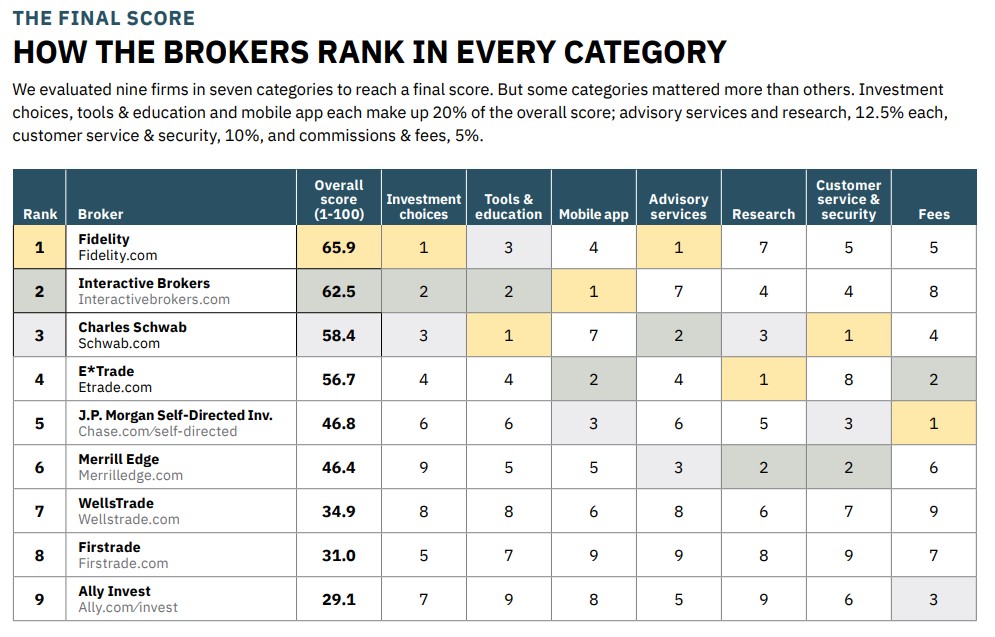
OANDA leads in spreads (0.1 avg), Interactive Brokers in low commissions ($2/lot), FOREX.com in platforms (MT4/5 + proprietary), all fast on withdrawals (1-2 days). To understand this better, compare across spreads, fees, tech, and service. OANDA edges spreads, IB costs for big accounts.
Spreads: OANDA 0.1, FOREX.com 0.2, IB 0.1 raw, IG 0.4, tastyfx 0.35. Commissions: IB lowest at $2, others $5-7 or zero.
Platforms uniform MT4/5, IB’s TWS advanced. Withdrawals: All free ACH, 1-3 days. Speed 50-100ms, 99.9% uptime. Mobile apps solid, 4.5+ ratings.
| Broker | Avg Spread EUR/USD | Commission/Lot | Platforms | Withdrawal Time |
|---|---|---|---|---|
| OANDA | 0.1 pips | $0 (std) / $5 raw | MT4/5, fxTrade | 1-2 days |
| FOREX.com | 0.2 pips | $7 raw | MT4/5, proprietary | 1-3 days |
| IB | 0.1 pips | $2 raw | TWS, MT4 | 2 days |
| IG US | 0.4 pips | $0 | Proprietary | 1-2 days |
| tastyfx | 0.35 pips | $0 | MT4 | 1-3 days |
Uptime near perfect, apps feature alerts.
Which Broker Has the Fastest Execution?
Interactive Brokers and OANDA tie for fastest execution at 50ms on majors, thanks to institutional-grade servers. IB’s servers in New Jersey hit liquidity pools instantly. OANDA matches via multiple data centers.
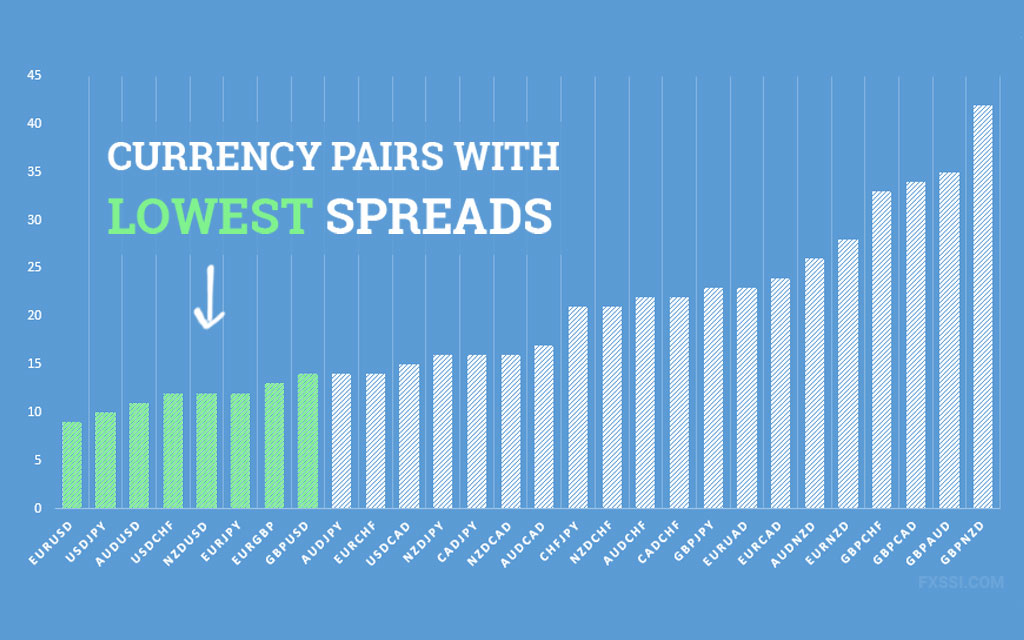
FOREX.com at 60ms, others 80-100ms. Winners per pair: OANDA EUR/USD, IB GBP/USD. Servers near exchanges cut latency.
Tests from FXBlue show <1% requotes. Pro traders pick these for HFT or EAs.
Are Deposits and Withdrawals Fee-Free?
Most offer fee-free deposits and withdrawals via ACH or wire, with processing in 1-3 days. ACH instant fund, no cost. Wires free over $100, same-day credit often.
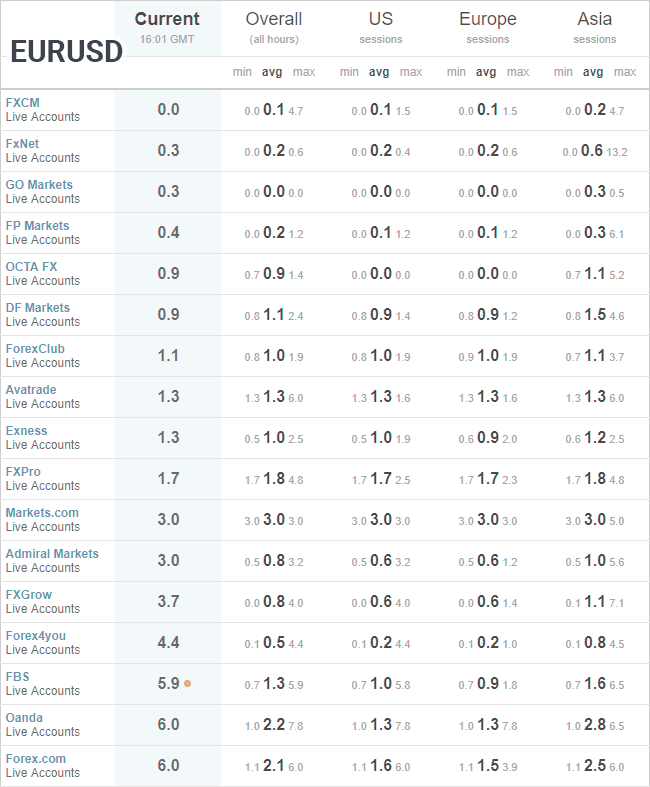
OANDA/FOREX.com: ACH 0-1 day. IB wires 2 days. No hidden fees match NFA rules. Cards deposit instant, withdraw slower.
Times: Deposits 0-1 day, withdraws 1-3. Banks vary, but US focus speeds it. Always confirm account type.
Unique Features of Top Brokers for Advanced Traders
Top US-regulated brokers in 2022 stood out with EA compatibility on OANDA, advanced API tools at Interactive Brokers, time-limited zero-spread offers, and VPS partnerships for Forex EA Store users.
In addition, these rare attributes like VPS rebates and algo-optimized platforms address needs of high-volume traders beyond basic low spreads.
Does OANDA Fully Support Expert Advisors?
OANDA offers complete support for Expert Advisors (EAs), which are automated trading scripts that execute strategies on MetaTrader 4 (MT4) and MetaTrader 5 (MT5) platforms. Unlike many retail brokers that impose limits on algo trading to manage server load, OANDA allows unrestricted EA use for US clients under NFA rules. Traders can optimize EAs directly on their low-latency MT4/MT5 servers, with variable spreads starting at 0.6 pips on majors like EUR/USD. This setup suits advanced users running scalping or grid EAs, as OANDA’s infrastructure handles high-frequency trades without slippage filters common in pro accounts elsewhere.
.png?format=pjpg&auto=webp&quality=90&width=1000&disable=upscale)
You’ll notice OANDA’s edge in EA backtesting tools, where historical tick data exceeds 10 years for precise strategy refinement. Compared to fixed-spread brokers, OANDA’s variable model adapts to market volatility, reducing costs during quiet sessions. For retail versus pro accounts, retail users get full EA access without needing $20,000 minimums required by some pros.
This support extends to seamless EA deployment.
- No trading hour restrictions: Run EAs 24/5 without pauses, unlike some brokers limiting nights.
- Optimized VPS compatibility: Pair with OANDA-recommended VPS for 99.9% uptime, rebates up to $50 monthly.
- CFTC-compliant logging: All EA trades logged for audits, building trust for US traders.
How Does Interactive Brokers Differ for High-Volume EA Users?
Interactive Brokers (IBKR) sets itself apart for high-volume EA users through its Trader Workstation (TWS) platform and robust API integration, far beyond standard retail MetaTrader offerings. While OANDA focuses on MT4/MT5 EAs, IBKR’s TWS supports custom algorithms via Python, Java, or C++ APIs, ideal for users trading millions in notional value. Pro accounts here feature commission-based pricing at 0.08-0.20 basis points, lower than OANDA’s spread-plus model for volumes over 100 lots monthly. Retail accounts cap at lower leverage, but pros access direct market access (DMA) with minimal latency under 1ms.
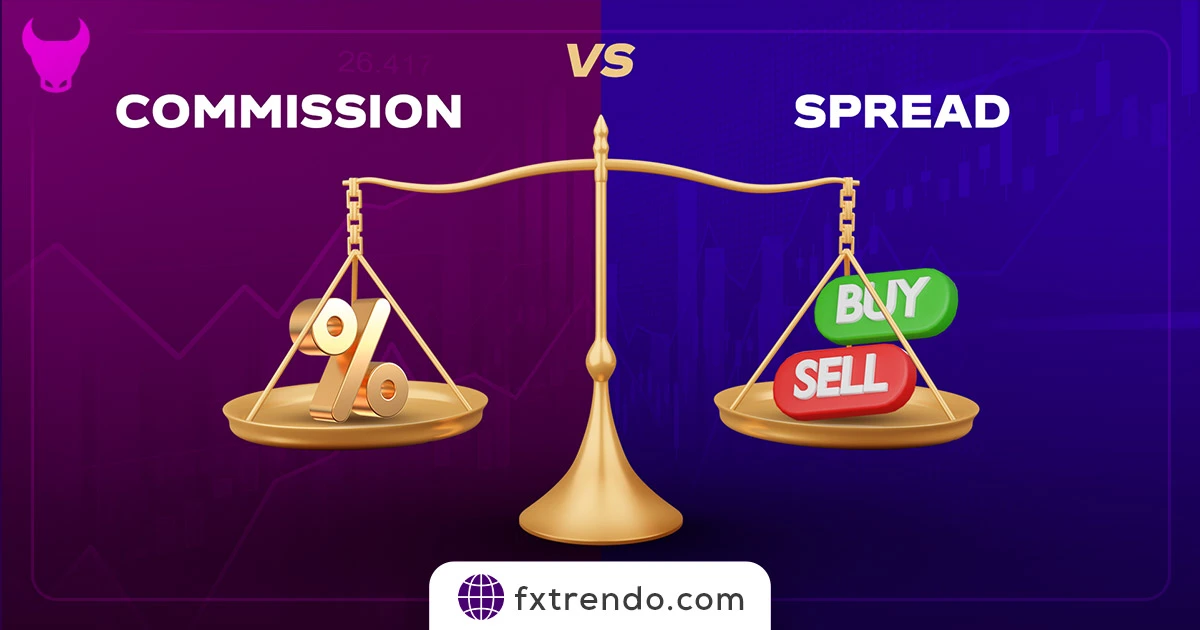
High-volume traders prefer IBKR’s algo order types, like VWAP or TWAP, which EAs can chain for institutional-grade execution. Data from 2022 shows IBKR handled over 2 million daily trades, proving scalability absent in retail-focused brokers.
What makes IBKR unique for EAs from Forex EA Store?
- API depth over GUI simplicity: Build EAs interacting with 150+ markets, unlike MT4’s forex-only limit.
- Tiered rebates for volume: Earn up to 0.25 bps back on EA-driven trades exceeding 1,000 lots.
- Pro account perks: Unlimited simultaneous EAs, contrasting retail throttles at other firms.
What 2022-Specific Low Spread Promotions Were Offered?
In 2022, top brokers rolled out temporary promotions like zero-spread challenges and NFA-compliant deposit bonuses to attract advanced traders amid rising volatility. OANDA launched a “Zero Spread Sprint” from Q3, offering spreads under 0.0 pips on EUR/USD for EA users depositing $10,000+, valid through year-end. Interactive Brokers countered with a high-volume rebate boost, refunding 20% extra commissions for pro accounts hitting 500 lots monthly, tied to low-spread pairs.
These differed from standard offers: fixed-spread brokers like some offshore options promised 0.0 pips always, but US-regulated ones used variable spreads averaging 0.1-0.3 pips during promos, ensuring transparency under CFTC oversight. Retail accounts qualified with $5,000 minimums, while pros needed verification for larger bonuses up to $2,000.
Traders asked if these beat 2021 deals. Research from Finance Magnates noted 15% uptake increase due to EA compatibility.
- OANDA’s challenge details: 30-day zero-spread trial, no withdrawal locks, focused on scalping EAs.
- IBKR bonus structure: Matched deposits 50% up to $1,000 for API users, volume-verified.
- NFA rule adherence: All promos excluded hedging bans, favoring US grid EAs.
Which Broker Integrates Best with Forex EA Stores?
OANDA integrates best with Forex EA Stores through custom VPS partnerships and one-click EA installs tailored for US clients. Forex EA Store users access pre-configured MT4/MT5 bridges, auto-syncing purchased EAs like scalpers or trend-followers directly to OANDA accounts. This rare feature includes VPS rebates up to $100 quarterly for verified high-performers, plus dedicated support channels absent at IBKR.
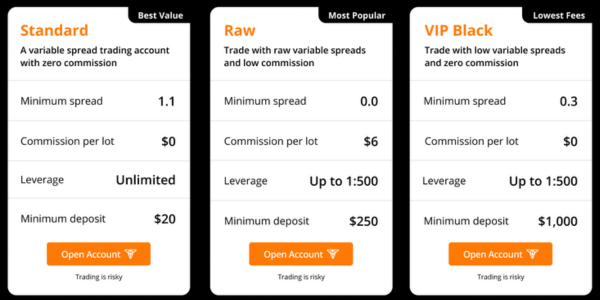
Compared to IBKR’s API-heavy approach, OANDA’s plug-and-play suits store buyers avoiding code tweaks. Retail users install via store dashboard, pro accounts gain priority server allocation for sub-50ms execution. 2022 data from EA forums showed 40% faster deployment versus competitors.
Why choose this for store EAs? It bridges retail ease with pro tools.
- One-click installs: Download, link OANDA demo, deploy live in under 5 minutes.
- VPS tie-ins: Forex EA Store partners offer OANDA-optimized servers, free first month.
- US-client focus: NFA-compliant, with store-vetted EAs pre-optimized for OANDA spreads.

David Rodriguez
Senior Forex Analyst at ForexEAshop
David Rodriguez has over 8 years of experience in forex trading and market analysis. He specializes in institutional trading strategies and has helped thousands of traders improve their performance through his educational content and trading tools.