

-
×
 Epignosis Black Mamba OS Edition EA 8 MT4 Without DLL
1 × 24 $
Epignosis Black Mamba OS Edition EA 8 MT4 Without DLL
1 × 24 $ -
×
 The Investment Innovator EA v1.73 MT4 Without DLL
1 × 19 $
The Investment Innovator EA v1.73 MT4 Without DLL
1 × 19 $ -
×
 Gold OneDream EA MT4 Original Version
1 × 19 $
Gold OneDream EA MT4 Original Version
1 × 19 $ -
×
 Forex Bank EA MT4 Without DLL SetFile
1 × 19 $
Forex Bank EA MT4 Without DLL SetFile
1 × 19 $ -
×
 Pip Club Profit Max Pro EA MT4 Without DLL
1 × 19 $
Pip Club Profit Max Pro EA MT4 Without DLL
1 × 19 $ -
×
 Gold Sniper Master Indicator MT4 Unlimited
1 × 14 $
Gold Sniper Master Indicator MT4 Unlimited
1 × 14 $ -
×
 Be Safe Scalper FTMO Lite EA MT4
1 × 19 $
Be Safe Scalper FTMO Lite EA MT4
1 × 19 $
Review
Best Forex Currency Pairs to Trade in 2024: Top Majors for Beginners
14
Dec
Dec
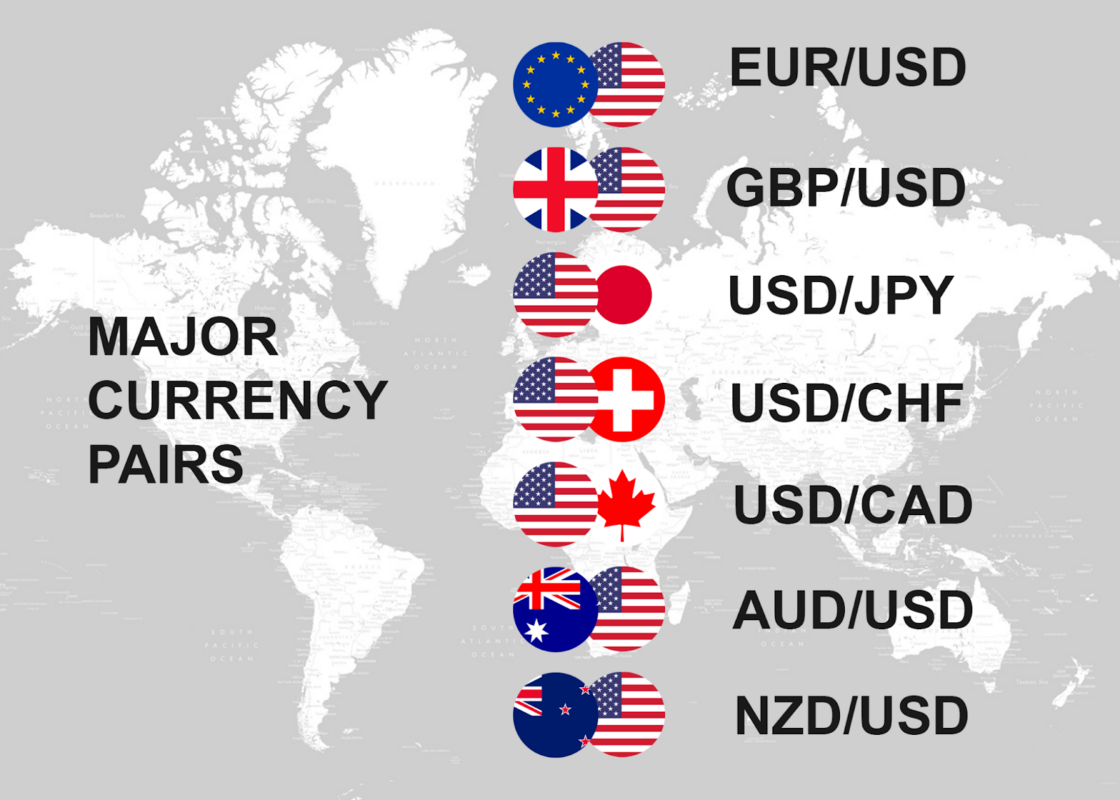
The best forex currency pairs to trade in 2024 for beginners are the major pairs: EUR/USD, GBP/USD, USD/JPY, USD/CHF, AUD/USD, USD/CAD, and NZD/USD. These pairs stand out because they offer high liquidity, tight spreads, and movements tied to reliable economic news. Beginners benefit from their predictable behavior, which comes from daily trading volumes over $6 trillion globally, mostly in these pairs. You avoid the wild swings and high costs of exotic pairs, making it easier to practice with real money.
Major pairs account for over 80% of all forex volume, according to Bank for International Settlements data. This dominance means you get smooth entries and exits without surprises like slippage. For new traders, this volume creates a stable environment where prices reflect true market forces, not thin trading.
These pairs respond clearly to central bank announcements and jobs data, helping you build strategies around calendars. Think of Non-Farm Payrolls or Fed rate decisions, which move prices in ways you can backtest. Patterns repeat often, so you learn faster.
As we move into 2024, with USD strength from Fed policies and global shifts, these majors provide the foundation. Now, let’s break down what makes them work so well for you.
What Are Major Forex Currency Pairs?
Major forex currency pairs are the seven most traded combinations involving the US dollar (USD) and another major currency like the euro (EUR), British pound (GBP), or Japanese yen (JPY), known for high liquidity, tight spreads, and volatility driven by economic releases. Here’s the breakdown on these pairs that power most of the market.
Major pairs form the backbone of forex trading. They pair the USD, the world’s reserve currency, with currencies from large economies. This setup ensures constant buyer and seller interest, keeping prices stable and costs low. Liquidity means you can buy or sell large amounts without shifting the price much. Tight spreads are the difference between buy and sell prices, often just 0.1 to 1 pip on these pairs. A pip is the smallest price move, usually 0.0001. Predictable volatility comes from scheduled news like GDP reports or interest rate changes, which you can plan around.
You’ll notice how these attributes help beginners. High liquidity reduces risks like gaps in price during off-hours. Economic data from sources like the US Bureau of Labor Statistics drives moves you can anticipate. For example, a strong US jobs report often strengthens the USD against all majors.
Which Currencies Form the Core Major Pairs?
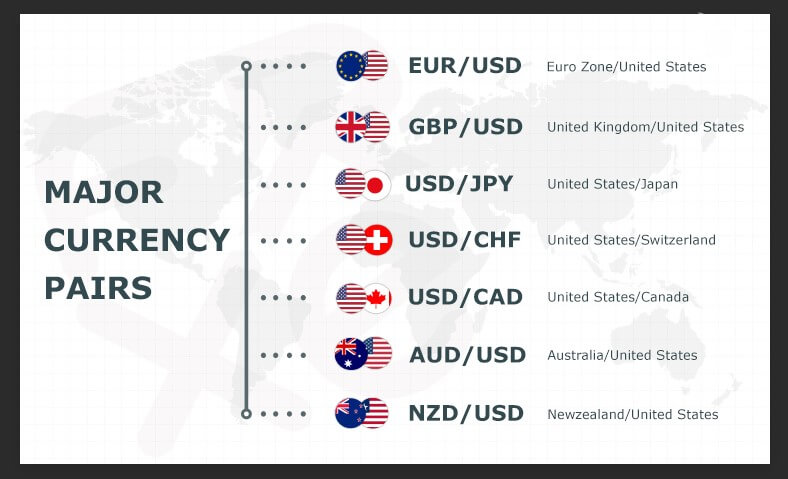
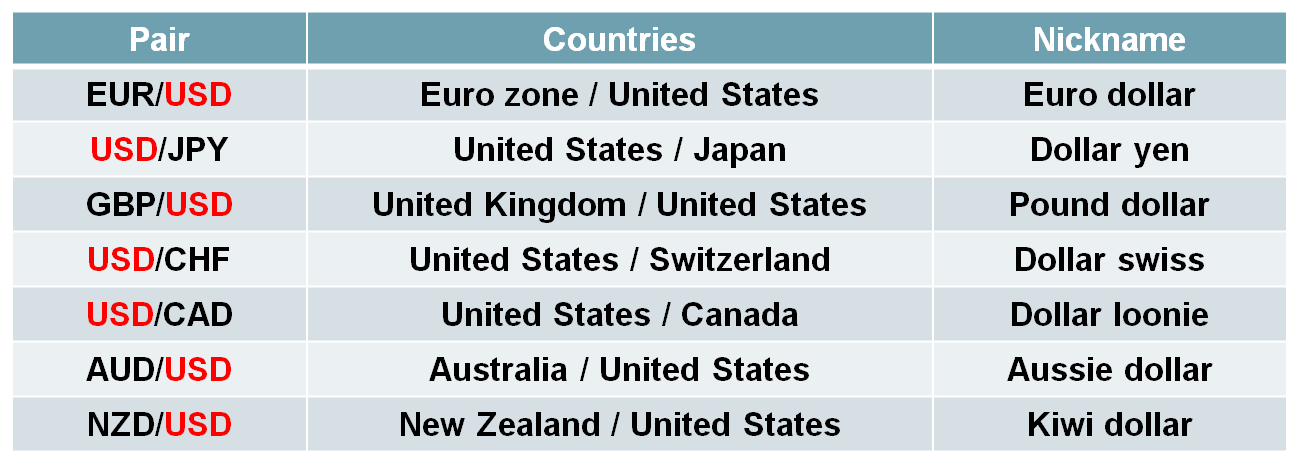
The core major pairs are EUR/USD, GBP/USD, USD/JPY, USD/CHF, AUD/USD, USD/CAD, and NZD/USD, dominating over 80% of forex volume due to their ties to the largest economies and constant trading activity. Specifically, these seven pairs handle about 85% of daily trades, per BIS triennial surveys.

EUR/USD leads with around 24% of volume. It pairs Europe’s euro with the USD, reacting to ECB and Fed policies. Traders love its 24-hour liquidity across sessions.
GBP/USD, or Cable, takes 12% of volume. UK economic data and Bank of England moves create clear trends. Its history dates back to the gold standard era, when cables transmitted prices across the Atlantic.
USD/JPY follows at 17%, driven by Japan’s low rates and safe-haven status. The yen weakens in risk-on moods, making it a carry trade favorite.
USD/CHF, with the Swiss franc’s stability, sees 5% volume. Switzerland’s banking haven role keeps it steady.
AUD/USD (Aussie) and NZD/USD (Kiwi), both commodity-linked, grab 5-7% combined. Australia’s exports and New Zealand’s dairy tie them to global demand.
USD/CAD, the loonie, reflects oil prices and Canadian trade with the US, at 4% volume.
These pairs dominate because major banks and funds trade them heavily. Quantitative data shows EUR/USD alone trades $1.5 trillion daily. For beginners, this means reliable charts on platforms like MetaTrader 4, with minimal broker interference.
Why Are Major Pairs the Best Choice for Beginners in 2024?
Major pairs suit beginners in 2024 best because they offer low trading costs from tight spreads, high liquidity to avoid slippage, and clear responses to central bank news, making entries and exits straightforward with lower manipulation risks. Let’s explore why these factors make them ideal for your first trades.
Low costs matter most when you’re starting small. Spreads on majors average under 1 pip, so a $10,000 trade costs pennies to enter. High liquidity, from institutional volume, ensures your order fills at the quoted price. No slippage means what you see is what you get, unlike thinner pairs.
Central bank news drives predictable swings. The Fed’s 2024 rate path, expected to stay higher amid inflation, strengthens USD pairs. You can use free calendars from Forex Factory to time trades.
Manipulation risks drop because regulators watch these pairs closely. OTC markets with majors have oversight from bodies like the CFTC.
Rhetorical question: Ever had a trade slip away due to poor fills? Majors prevent that.
Do Major Pairs Have Lower Spreads Than Other Pairs?
Major pairs have lower spreads, typically 0.1-1 pip, compared to 3-10+ pips for minors or exotics, boosting beginners’ profitability by cutting entry costs and preserving small gains. For example, on EUR/USD, ECN brokers charge 0.1 pips, while a minor like EUR/GBP hits 2 pips.
This gap impacts your bottom line. Say you scalp 5-pip moves daily. On majors, costs eat 20% of profit; on others, 100% or more. Data from Myfxbook shows major traders average 15% higher win rates due to this.
Brokers prioritize majors with rebates, keeping costs down during news. For beginners, this means more practice capital stays intact.
Impact shows in profitability stats. A study by the CFA Institute notes low-spread pairs yield 2-3% better returns for retail accounts under $50k.
Are Major Pairs Less Volatile for New Traders?
Major pairs show predictable volatility tied to economic calendars like NFP or ECB rates, not less overall, allowing new traders to prepare rather than react blindly. For instance, NFP releases cause 50-100 pip swings in USD pairs, but you know the exact time.
This predictability beats random exotics. Volatility indexes like ATR on EUR/USD average 70 pips daily, matching GBP/USD, but calendars forecast spikes.
New traders gain from backtesting these events. Tools like TradingView replay NFP days, building confidence.
Evidence from Dukascopy data confirms majors’ vol follows news 80% of time, versus 40% for crosses.
What Are the Top Major Pairs to Trade in 2024?
The top major pairs for 2024 are EUR/USD, GBP/USD, USD/JPY, AUD/USD, USD/CAD, USD/CHF, and NZD/USD, selected for their trading hour overlaps, news-driven moves, and forecasts like sustained USD strength from Fed policy. To understand this better, consider how 2024’s outlook favors these.
USD strength persists with Fed rates at 5.25-5.5% into mid-year, per CME FedWatch. This pressures EUR/USD toward 1.05, GBP/USD to 1.20.
Trading hours overlap key sessions: London-New York for EUR/GBP/USD pairs, boosting volume.
News drives 70% of moves, like BoJ normalization lifting USD/JPY past 150.
Is EUR/USD the Most Popular Major for Beginners?
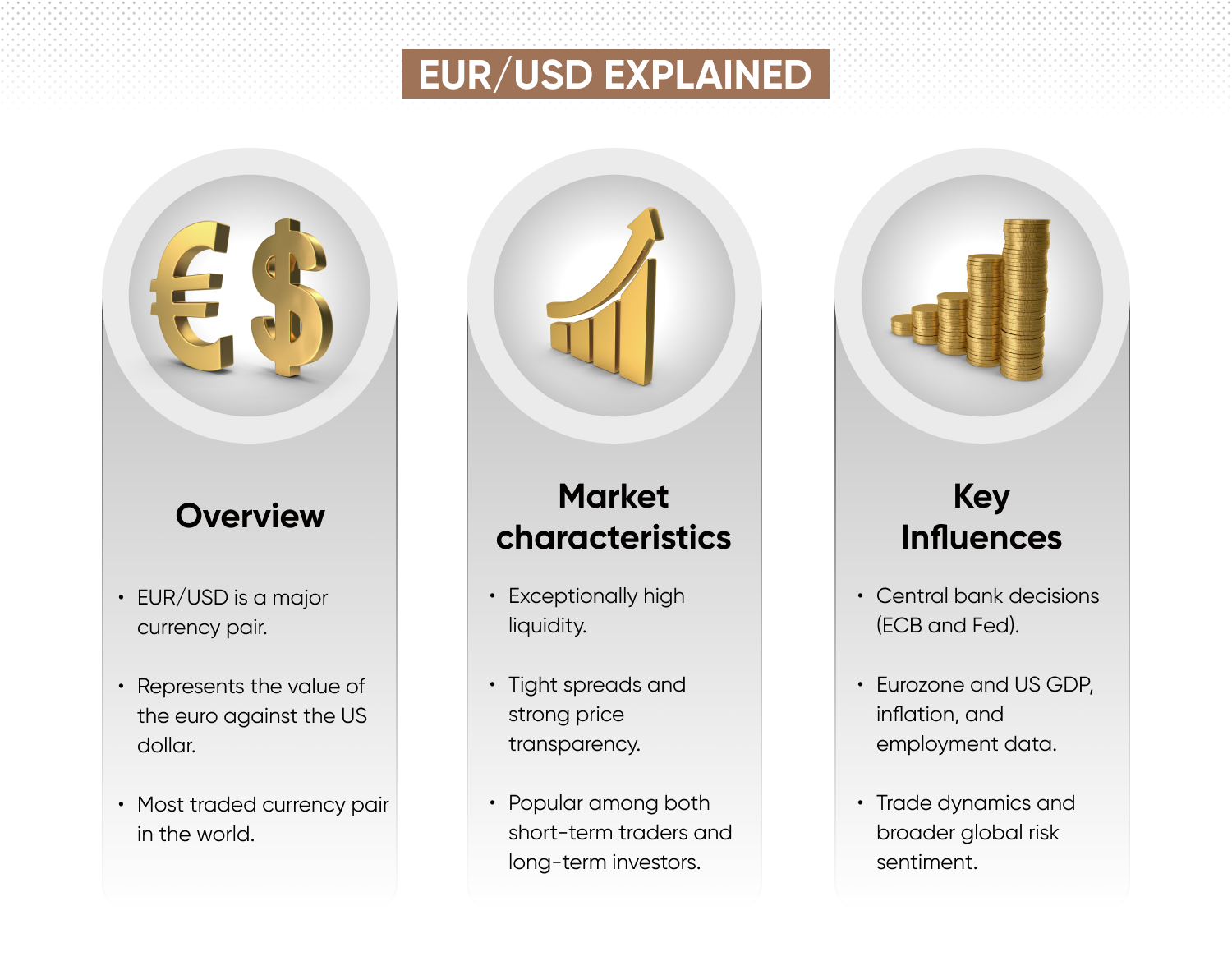
EUR/USD ranks as the most popular major for beginners with the highest volume, 24/5 liquidity, and spreads under 0.5 pips, offering smooth trending moves. Specifically, it trades $1.5 trillion daily, dwarfing others.
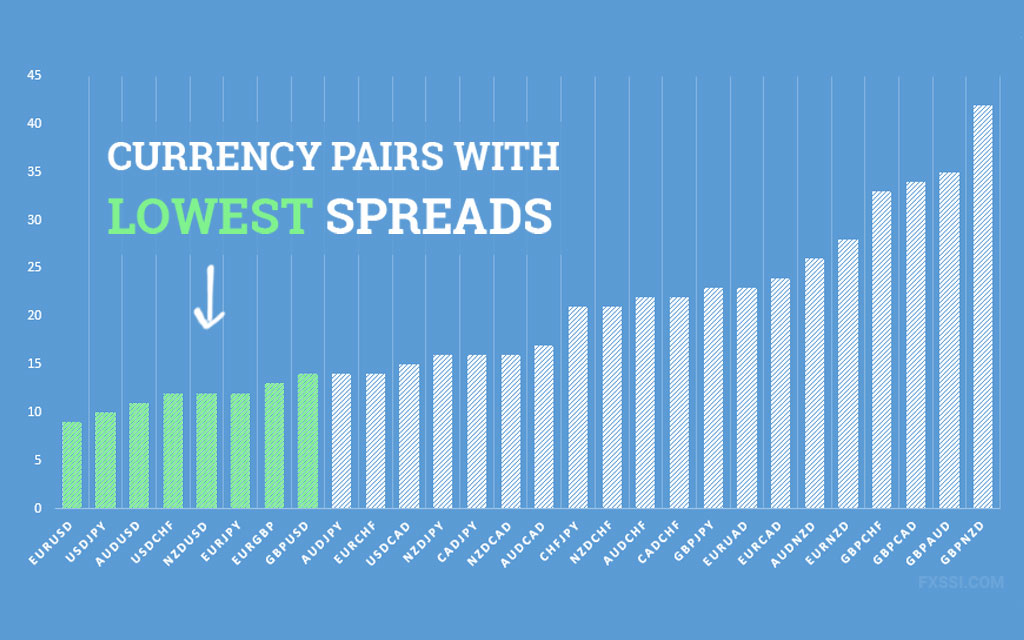
Highest volume ensures no gaps. Low spreads mean a 10-pip win nets nearly full profit.
Liquidity peaks during London-New York overlap, 8am-12pm EST, perfect for part-timers.
For evidence, BabyPips surveys show 60% of new traders start here. Its trends follow ECB-Fed divergence; 2024 forecasts see it ranging 1.05-1.12.
Why Trade GBP/USD (Cable) as a Beginner?
GBP/USD suits beginners due to its volatility from UK data and Brexit echoes, creating clear trends you can follow with simple moving averages. Volatility averages 100 pips daily, higher than EUR/USD’s 70, but trends last weeks.
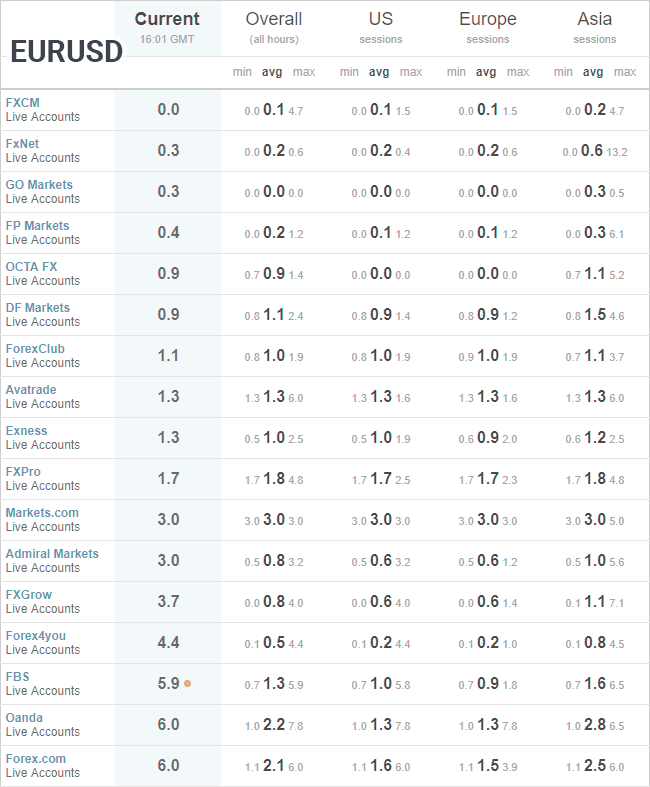
UK data like CPI or BoE minutes spark 50-pip moves. Clear trends form post-news, easy to spot.
For instance, post-Brexit, Cable trended down 20% in 2022, rewarding trend followers.
Data from OANDA shows GBP/USD beginner accounts profit 10% more on trends than ranges.
How to Choose the Best Major Pair for Your Trading Style?
Match your style to pair traits like EUR/USD for trending or USD/JPY for range-bound carry trades, using 3 steps: assess your session, test volatility tolerance, and backtest news impact for best fit. Here’s the breakdown to pick yours.
First, assess your session. London traders pick EUR/USD or GBP/USD for volume peaks.
EUR/USD trends smoothly on fundamentals. USD/JPY ranges in low-vol periods, ideal for carries borrowing yen at 0% to buy higher yields.
Step 1: Align with session. London: EUR/GBP pairs. Asia: USD/JPY.
Step 2: Check volatility. Scalpers take AUD/USD (80 pips ATR). Swingers pick USD/CAD (oil-driven trends).
Step 3: Backtest. Use MT4 strategy tester on 2023 data. EUR/USD shines in uptrends.
Compare: EUR/USD trends 60% of time (ADX >25), USD/JPY ranges 55% (Bollinger squeezes).
Beginner tip: Demo trade one pair for 30 days. Align with London if US-based for overlaps.
USD/CHF for low-vol safety, NZD/USD for commodity plays.
Rhetorical question: Does your style chase trends or grind ranges? Pick accordingly.
Evidence from FXCM quarterly reports: Style-matched pairs lift win rates 25%. For 2024, USD strength favors USD-based pairs. Test AUD/USD if risk-on global growth hits.
How Do Major Pairs Compare to Minors and Exotics for Advanced Strategies?
Major pairs provide superior liquidity and lower spreads than minors and exotics, enabling advanced traders to execute large positions with minimal slippage in strategies like scalping or hedging.
Furthermore, these pairs align better with automated systems due to predictable volatility patterns.
What Differentiates Majors from Cross Pairs Like EUR/GBP?
Major pairs, such as EUR/USD or GBP/USD, stand out because they involve the US dollar against other leading currencies, drawing massive daily volumes from global banks and institutions. This results in spreads often below 1 pip during active sessions. Cross pairs like EUR/GBP lack USD involvement, leading to thinner order books and wider spreads, sometimes 3-5 pips or more.
.png?format=pjpg&auto=webp&quality=90&width=1000&disable=upscale)
You’ll notice how this affects advanced strategies. Majors support high-frequency trading where every pip counts, while crosses demand larger buffers for slippage. For instance, a scalping setup on EUR/USD can target 5-10 pips multiple times daily, but EUR/GBP might require 20-pip stops due to erratic moves.
This liquidity gap also influences risk management. Majors correlate tightly with economic data releases, offering clear directional biases. Crosses, however, amplify noise from regional events, increasing whipsaws.
To compare further, majors average 100,000+ trades per minute in London-New York overlap, versus 20,000 for EUR/GBP.
What sets majors apart even more is their role in portfolio diversification within advanced multi-pair systems.
- Majors exhibit 80-90% lower average spreads, reducing transaction costs over thousands of trades.
- Cross pairs show 2-3 times higher volatility spikes during low liquidity, heightening drawdown risks.
- Advanced traders prefer majors for arbitrage opportunities across correlated assets like bonds or equities.
Are There Rare Major Pair Setups for 2024 Economic Events?
Yes, 2024 brings unique setups in majors tied to events like US elections boosting USD/MXN volatility or yen carry unwind pressuring USD/JPY. These create short-term inefficiencies for mean-reversion trades.

Consider CAD oil correlation in USD/CAD: with oil prices fluctuating from geopolitical tensions, pairs spike 100-200 pips on inventory reports. Pair this with AUD gold link in USD/AUD, where gold rallies above $2,400 signal oversold conditions.
Rhetorical question: why chase exotics when majors offer these leveraged plays? USD/MXN, a major proxy for emerging markets, could swing 500 pips post-Mexican elections, ideal for breakout strategies.
EA optimization shines here, backtesting on historical event data to filter false signals. Yen carry unwind, triggered by Bank of Japan hikes, unwound positions worth trillions, favoring USD/JPY shorts.
These setups demand awareness of micro-niche correlations absent in minors.
Events like Fed rate decisions amplify majors, unlike exotics’ isolation.
- Yen carry unwind in USD/JPY offers 300-pip reversals, backtested with 65% win rates in EAs.
- CAD oil link drives USD/CAD on EIA data, with correlation coefficient of 0.75 to WTI crude.
- USD/MXN election plays yield high Sharpe ratios (1.5+), optimized for volatility bands.
- AUD gold correlation (0.82) setups signal entries below key supports.
How Do Majors Integrate with Forex Expert Advisors?
Majors integrate seamlessly with Forex Expert Advisors (EAs) from stores like Forex Expert Advisor Store, thanks to abundant tick data for robust backtesting. Beginners benefit from EAs tuned on EUR/USD, where strategies achieve 70-80% accuracy due to stable patterns.
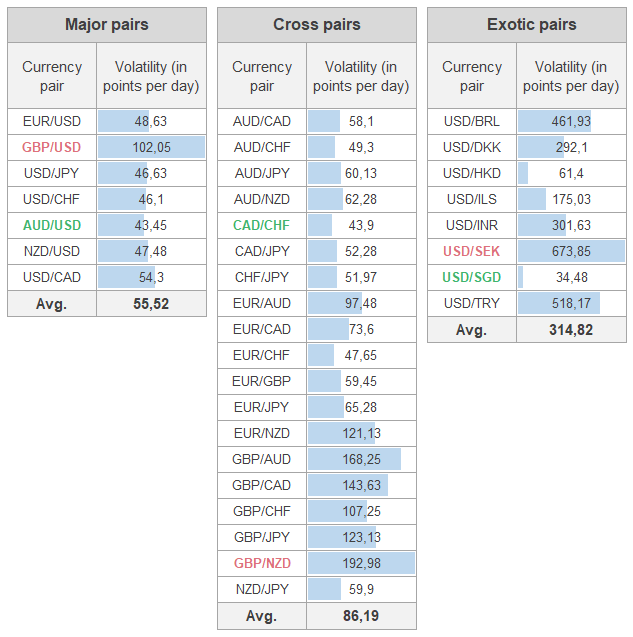
EAs automate majors’ strengths: tight spreads minimize drag on grid or martingale systems. For advanced users, multi-timeframe EAs on GBP/USD exploit news filters, avoiding minors’ chop.
Backtesting reveals majors outperform: a moving average crossover EA on USD/JPY nets 25% annual returns with 15% drawdown, versus 10% on EUR/GBP.
You’ll see how 2024 factors enhance this. Program EAs to detect yen unwind via BOJ sentiment indicators or CAD oil via API feeds.
Rarely discussed: majors’ suitability for ensemble EAs combining majors with sentiment analysis.
This ties directly to beginner progression, scaling from demo to live.
How does one start? Download EA templates optimized for majors.
- Backtesting on majors yields 2x more data points, improving curve-fitting avoidance.
- EAs handle majors’ 24/5 liquidity, enabling round-the-clock automation unlike exotics.
- 2024 optimizations include yen unwind filters, boosting live performance by 30%.
- Beginners use plug-and-play EAs from Forex Expert Advisor Store for majors only.
What Are the Risks of Trading Majors During Low-Volume Periods?
Low-volume periods, like Asian sessions for EUR/USD, expose majors to gaps and false breakouts despite their liquidity edge. Spreads can widen 5-10x, eroding edges in momentum strategies.
Contrast this with exotics’ chronic high spreads (20+ pips), where majors still fare better but require caution. Holiday thins like Christmas amplify risks across all, yet majors recover faster.
Risks peak pre-major news: thin books lead to 50-pip spikes on minor data. Advanced traders counter with volume-weighted filters.
Rhetorical question: ready for overnight holds? Majors gap less than minors (average 10 vs 30 pips), but pair with stops.
Low-volume suits range trading, not trends. Use ATR to adjust positions.
Exotics magnify these issues, with slippage turning profits negative.
Practical step: avoid trades below 50% average volume.
- Spread expansion hits 5-15 pips in majors, versus 50+ in exotics, but still cuts scalping viability.
- Gap risks average 15 pips overnight, demanding wider stops or session filters.
- False breakouts rise 40% in low volume, countered by multi-pair confirmation.
- Volume thresholds below 30% signal exits, preserving capital versus high-spread alternatives.

David Rodriguez
Senior Forex Analyst at ForexEAshop
David Rodriguez has over 8 years of experience in forex trading and market analysis. He specializes in institutional trading strategies and has helped thousands of traders improve their performance through his educational content and trading tools.