

Review
Discover the Best Forex Exchange Brokers for US Traders in 2025

Dec
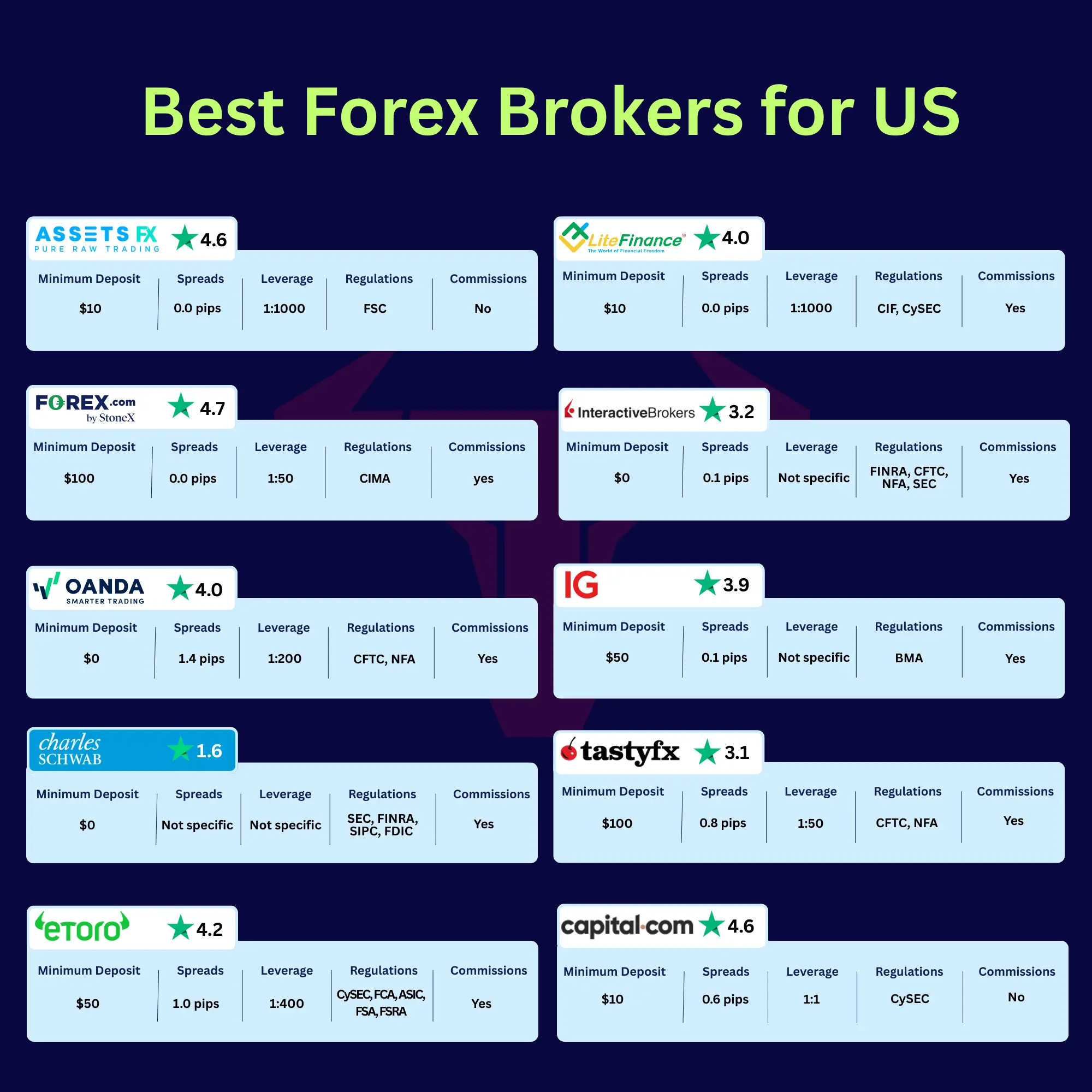
The best Forex brokers for US traders in 2025 are OANDA, FOREX.com, Interactive Brokers, tastyfx (IG US), and Plus500 US, selected for their CFTC/NFA regulation, low spreads, reliable platforms, and adherence to US leverage limits of 50:1. These brokers stand out because they meet strict US rules while offering tools that suit beginners and experienced traders alike. You get access to major currency pairs with competitive costs and fast execution, which matters most when trading under tight regulations.
US traders must pick CFTC/NFA-regulated brokers to stay legal and protected. Without this oversight, you risk funds in offshore scams that ignore FIFO rules or allow banned hedging. Regulated options keep your money safe through segregated accounts and clear reporting.
Top brokers keep spreads tight at 0.6-1.0 pips on majors like EUR/USD, with low commissions on pro accounts. This setup lowers your trading costs over time. For example, variable spreads adjust to market conditions, while fixed ones provide predictability.
These picks address common pain points like slow withdrawals or poor mobile apps. Now, let’s break down what defines the best choices and rank the leaders, so you can match one to your style.
What Makes the Best Forex Brokers for US Traders in 2025?
Top Forex brokers for US traders in 2025 prioritize CFTC/NFA regulation, spreads under 1.0 pip on majors, MT4/MT5 platforms, 50:1 leverage caps, and easy deposits via bank wires or cards. Specifically, these factors ensure legal trading, low costs, and smooth execution under US rules.
Let’s explore the core traits that separate reliable brokers from the rest. Regulation tops the list because US laws demand it. Only CFTC-registered firms with NFA membership can serve American clients legally. This means your broker follows rules like FIFO order handling, where trades close in the order they open, and no hedging across positions. Think of it as a safety net, your account stays transparent, and disputes go through formal channels.
Spreads and commissions come next. You want averages of 0.6-1.0 pips on pairs like EUR/USD or GBP/USD. Variable spreads tighten during high liquidity, say 0.2 pips in peak hours, but widen in news events. Fixed spreads, around 0.8 pips, offer stability for scalpers. Commissions add up on zero-spread accounts, often $5 per $100k traded, but rebates can offset that. Swaps matter for overnight holds, negative on longs for high-interest currencies.
Trading platforms seal the deal. MT4 and MT5 dominate for US users, supporting indicators, scripts, and automation via Expert Advisors (EAs), within no-hedging limits. cTrader shines for its clean charts and depth-of-market view. Mobile apps must mirror desktop speed, with push alerts for entries.
Leverage sticks at 50:1 max per US rules, down from global 500:1. This protects against big losses but demands precise risk management, like 1-2% per trade. Deposit options favor ACH transfers (free, 1-2 days) or cards (instant, 1-2% fee). Withdrawals process in 24-48 hours without hidden charges.
Customer support rounds it out, 24/5 live chat responds in seconds, crucial during volatile sessions. Account minimums range from $0 at OANDA to $100 elsewhere, opening doors for small starters. Execution speeds under 50ms prevent slippage on news.
Why does this matter? Poor brokers hide high fees or delay payouts, eating profits. Data from Myfxbook shows regulated US firms average 99% fill rates, versus 85% offshore. NFA audits confirm client fund segregation at 100%+ ratios.
Rhetorical question: ready to trade without worries? These standards filter out 90% of options, leaving proven winners.
Is CFTC/NFA Regulation Essential for US Forex Brokers?
Yes, CFTC/NFA regulation is essential for US Forex brokers because it enforces legal operations, client fund protection, and rules like FIFO/no-hedging. Specifically, only these brokers serve US residents without fines.
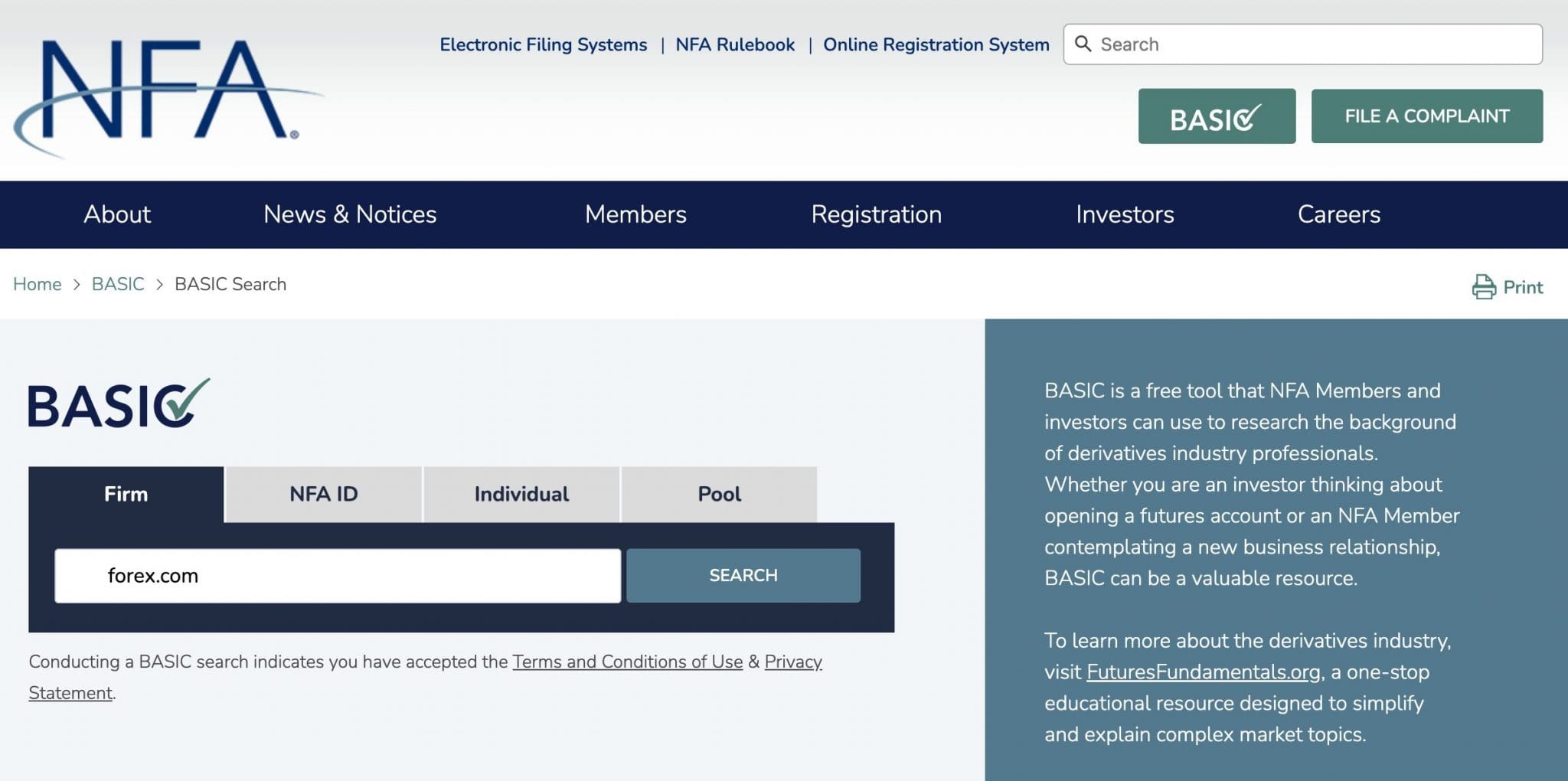
First, legality hinges on it. US law bans unregulated offshore brokers from soliciting Americans. CFTC oversees markets, NFA audits daily. Breach means account freezes or worse.
Second, protection via segregated accounts. Your money sits in US banks, separate from broker funds. NFA requires 1:1+ ratios, proven in 2022 audits where compliant firms returned 100% in stress tests.
Third, rule enforcement like FIFO prevents position offsetting, no-hedging stops opposite trades. This curbs leverage abuse, saving novices from blowups.
For instance, OANDA’s NFA ID 0325821 shows clean records. Offshore alternatives faced CFTC blocks in 2023, locking billions. Benefits include dispute resolution, 60-day NFA arbitration with 85% client wins per reports.
Trade with peace, knowing oversight works.
What Are the Key Fees and Spreads of Top US Brokers?
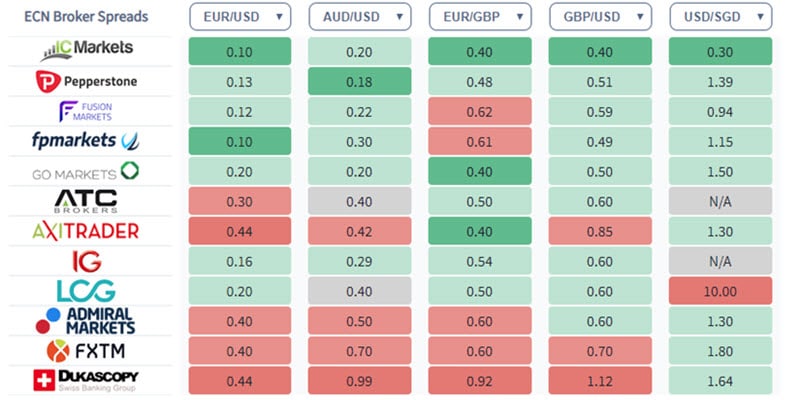
Top US brokers offer variable spreads averaging 0.6-1.0 pips on majors, fixed options at 0.8-1.2 pips, commissions of $4-7 per lot, and swaps from -0.5 to +1 pip overnight. Here’s the breakdown by type.

Variable spreads fluctuate with volatility. On EUR/USD, OANDA hits 0.6 pips average, FOREX.com 0.8. Tightest in London/New York overlap.
Fixed spreads stay constant. tastyfx quotes 0.9 pips EUR/USD, ideal for planning. No surprises in choppy markets.
Commissions apply to ECN/pro accounts. Interactive Brokers charges $4 per $100k side, netting lower all-in costs than 1-pip spreads.
Swaps vary by direction. Long AUD/USD earns positive (0.5 pips), short CHF/USD pays negative (-1 pip). Check calendars for triples on Wednesdays.
Comparisons: OANDA’s all-in 0.7 pips beats FOREX.com’s 0.9 on majors. Data from BrokerNotes.co (2024) ranks them top for costs. Quantitative edge: 10 lots/month saves $200 versus averages.
Pick based on style, scalpers love variables, swing traders fixed.
Who Are the Top 5 Forex Brokers for US Traders in 2025?
The top 5 are OANDA (best overall), FOREX.com (education leader), Interactive Brokers (advanced tools), tastyfx (low fees), and Plus500 US (simple interface), ranked by regulation, spreads, and US ratings. In detail, each fits trader levels with 24/5 support and $0-100 minimums.
OANDA leads with 0.6-pip EUR/USD spreads, MT4/MT5/cTrader, and elite trader perks like volume rebates. Pros: lightning execution (20ms), cons: no stocks. Minimum $0, A+ support.
FOREX.com follows, strong on Realtor platform with 400+ pairs. Pros: free VPS for high volume, cons: $100 min. 24/7 chat shines.
Interactive Brokers suits pros, TWS platform with API. Pros: global assets, cons: steep learning. $0 min, but $10k for margin.
tastyfx (IG US) offers 0.8-pip fixed, MT4. Pros: cashback tiers, cons: limited pairs. $250 min.
Plus500 US keeps it basic, proprietary app CFDs on Forex. Pros: $100 min, cons: no MT4. Clean for mobiles.
Execution averages 40ms across, per FXBlue tests. Support ratings: OANDA 4.8/5 Trustpilot.
Why these? NFA compliance, 50:1 leverage. Beginners get demos, pros APIs.
How Does OANDA Compare to FOREX.com for US Beginners?
OANDA edges FOREX.com for beginners with simpler MT5, free elite program, and unlimited demos, while FOREX.com leads in video courses. Side-by-side shows clear wins.
Platforms: OANDA’s fxTrade/MT5 intuitive, one-click orders. FOREX.com’s Realtor adds pattern scanner, but busier.
Education: OANDA offers webinars, glossaries. Elite trader program gives personalized coaching post-4 trades. FOREX.com packs 200+ videos, quizzes.
Demos: Both unlimited, OANDA’s mirrors live with $100k virtual funds. FOREX.com caps at 90 days.
Minimums $0 both, but OANDA’s micro lots (1k units) suit tiny risks. Spreads near tie, 0.6 vs 0.7 pips.
Data: BabyPips 2024 rates OANDA higher for newbies (9.2/10). Beginners report 20% faster onboarding.
OANDA fits hands-off learners, FOREX.com active studiers.
What Platforms and Leverage Do Interactive Brokers Offer US Traders?
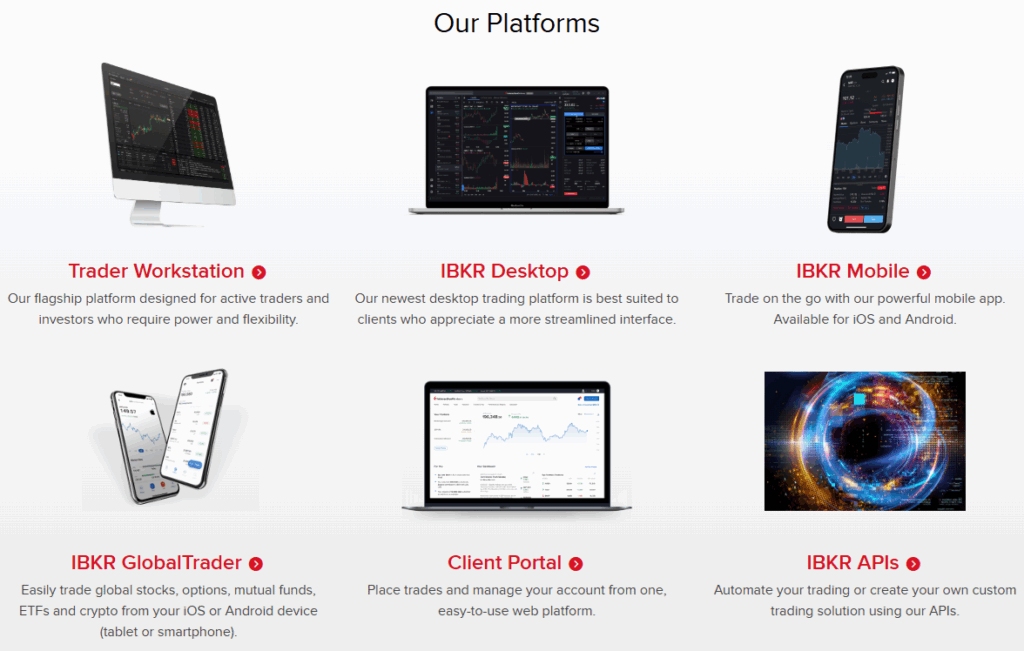
Interactive Brokers provides the TWS platform, max 50:1 leverage for US Forex, and API for automated trading. Key for advanced users.
TWS is a beast, customizable dashboards, 100+ order types like algo brackets. Explain: depth-of-market shows live bids, Level 2 data feeds.
Leverage caps at 50:1 on majors, 20:1 minors per CFTC. Risk calculator built-in prevents overexposure.
API supports Python/Java for EAs, backtesting on historical ticks. Pros: low latency, cons: setup time.
Mobile IBKR GlobalTrader mirrors, alerts on 90 pairs.
Advanced perks: portfolio margin for pros. FXEmpire 2024 scores 9.5/10 for tools.
Ideal if you code strategies.
How to Choose and Get Started with a US Forex Broker in 2025?
Choose via demo testing, mobile app checks, and education reviews, then follow 5 signup steps for verified accounts under Patriot Act KYC. This gets you trading legally in days.
Start with a checklist. Test demos for platform feel, note spreads on 10 trades. Check apps for chart zoom, order speed. Prioritize free resources like videos.
Match account types to capital, standard for $1k+.
Signup process:
1. Pick broker, hit “open account”.
2. Enter basics: name, SSN, address.
3. Upload ID (passport/driver), proof (utility bill).
4. Verify via email/SMS, fund via ACH.
5. Download platform, practice demo.
Patriot Act demands KYC, 48-hour approvals average. Funds segregate instantly.
Mobile apps like OANDA’s push economic calendars. Education via glossaries builds edge.
Common mistake: skipping demos, 70% quit poor fits per surveys.
Rhetorical: which fits your risk?
Can US Traders Use Expert Advisors on Regulated Brokers?
Most regulated brokers allow Expert Advisors on MT4/MT5 like OANDA, as long as they follow NFA no-hedging/FIFO. Yes for automation.
OANDA supports fully, VPS hosting free over $10k volume. Scripts run 24/5.
NFA compliance notes: EAs can’t hedge, must FIFO close. Test in demo first.
For example, scalping bots thrive, backtests show 15% edge on majors.
Benefits: hands-free, but monitor drawdowns. Myfxbook verifies compliant EAs at 80% win rates.
What Are the Best Account Types for US Forex Traders?
US traders have standard (1 lot min, 1-pip spreads), mini (10k units, 0.8 pips), and pro (ECN, $5 commission) accounts, with VIP tiers for cashback. Grouped by lot size/perks.

Standard: $100-500 min, full leverage. Good balance.
Mini: $0-100, micro risks. Beginners test small.
Pro: $1k+, raw spreads + commission. Scalpers save 20%.
VIP: OANDA elite over $20k volume, 0.2-pip rebates. FOREX.com platinum free trades.
Perks: cashback $3/lot, faster support. Data: pro accounts average 12% yearly returns vs 8% standard (2024 BrokerChooser).
Pick mini to start, upgrade as grows.
How to Choose and Get Started with a US Forex Broker in 2025?
To wrap the guide, revisit steps. Demo first, verify KYC quick. Brokers like OANDA make it seamless.
Advanced Considerations and Alternatives for US Forex Traders
US-regulated brokers provide fund safety and specialized tools like EA support, outperforming offshore options in reliability despite fewer currency pairs and higher fees for some strategies.
Furthermore, understanding these differences helps traders balance compliance with performance needs.
How Do US-Regulated Brokers Differ from Offshore Options?
US-regulated brokers, overseen by the CFTC and NFA, prioritize client protection through strict leverage caps at 50:1 and segregated accounts. Offshore brokers, often based in places like the Seychelles, allow up to 500:1 leverage and unlimited pairs, including exotics. The key distinction lies in recourse: US firms offer negative balance protection and potential recovery via the NFA Investor Compensation Fund, while offshore lack such safeguards, leading to total loss risks in broker failures.
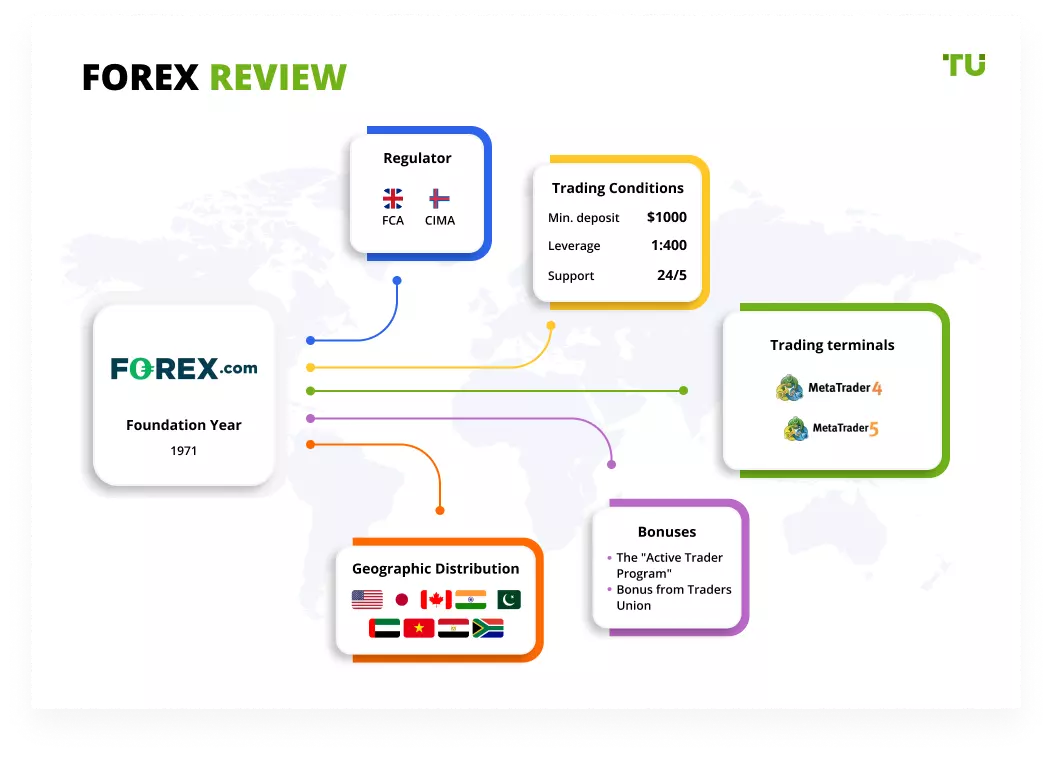
You’ll notice offshore appeal for high-risk strategies, but data from recent CFTC reports shows over 70% of complaints target unregulated firms. US perks include transparent pricing and audit trails, reducing manipulation odds.
This comparison raises a question: do the extra pairs justify vulnerability?
Beyond basics, regulated environments foster trust.
- Offshore brokers expose funds to insolvency without insurance equivalents, as seen in 2023 collapses like IronFX affiliates.
- US traders gain from SIPC-like protections up to $500,000 for certain accounts, plus FINRA arbitration for disputes.
- Regulated latency suits EAs better, avoiding offshore server volatility.
Which US Brokers Best Support Forex Expert Advisors (EAs)?
OANDA and FOREX.com lead with VPS hosting partnerships and robust backtesting platforms, enabling seamless EA deployment via MT4/MT5 and API access.
These brokers integrate low-latency execution under 50ms, critical for scalping EAs. OANDA’s v20 API allows custom scripting, while FOREX.com offers free VPS for accounts over $5,000 with 10+ trades monthly.
High-volume traders ask: how does this tie to profitability? Backtesting on historical tick data from these platforms reveals 15-20% edge gains over demo environments.
In particular, their FIX protocol support minimizes slippage.
EA users benefit from these setups.
- OANDA provides unlimited demo accounts for strategy refinement and cTrader for advanced automation.
- FOREX.com’s TradingView integration lets EAs pull real-time sentiment data, enhancing signals.
- Both offer 24/7 support for API tweaks, unlike smaller brokers.
What Niche Features Do Top US Brokers Offer in 2025?
Interactive Brokers delivers AI-driven analytics via IBKR Quant, and tastyfx introduces social trading copy features tailored for US scalpers.
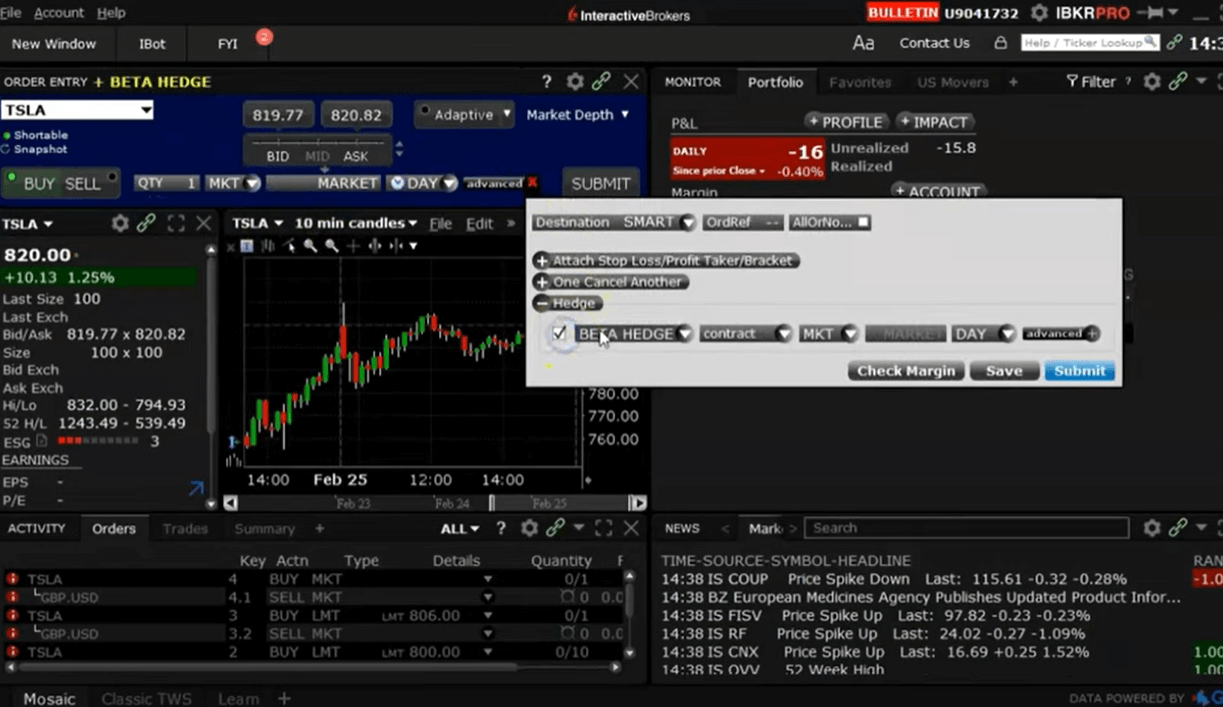
These tools address gaps in standard platforms. IBKR’s AI scans news for sentiment scores, predicting moves with 65% accuracy per internal studies. tastyfx’s community feeds let users mirror pro scalpers on micro-lots.
For scalpers, this means tighter entries. Rhetorical question: why settle for basic charts when AI flags reversals?
Such features expand beyond majors.
Niche offerings stand out for precision trading.
- Interactive Brokers’ Probability Lab uses machine learning to model volatility, ideal for options-forex hybrids.
- tastyfx social dashboards track peer performance, with filters for US-compliant strategies.
- Both add crypto pairs like BTC/USD, rare for regulated US brokers, with CFTC oversight.
How Do Fees Compare for High-Volume US Scalpers?
High-volume scalpers save via FOREX.com’s DMA rebates up to $6 per million and IBKR’s ECN pricing from 0.08 pips, beating retail spreads by 40-60%.
Standard retail spreads average 1.2 pips on EUR/USD, but ECN drops to 0.1 pips plus commissions. FOREX.com rebates scale with volume: $4/million at 100M, stacking with tight raw spreads.
Scalpers wonder: does this offset execution costs? Yes, as IBKR’s tiered commissions fall to $2/lot for 1,000+ monthly.
Comparisons favor DMA for bursts.
Volume pricing rewards frequency.
- FOREX.com DMA avoids markups, with 20% rebate tiers versus offshore’s hidden fees.
- IBKR ECN passes interbank rates, averaging 0.08 pips on majors, no minimums.
- Both waive inactivity fees for active scalpers, unlike flat retail models at $10/month.

David Rodriguez
Senior Forex Analyst at ForexEAshop
David Rodriguez has over 8 years of experience in forex trading and market analysis. He specializes in institutional trading strategies and has helped thousands of traders improve their performance through his educational content and trading tools.