

Review
Uncover the Best Forex Pairs: Top Majors for Profitable Trades
Dec
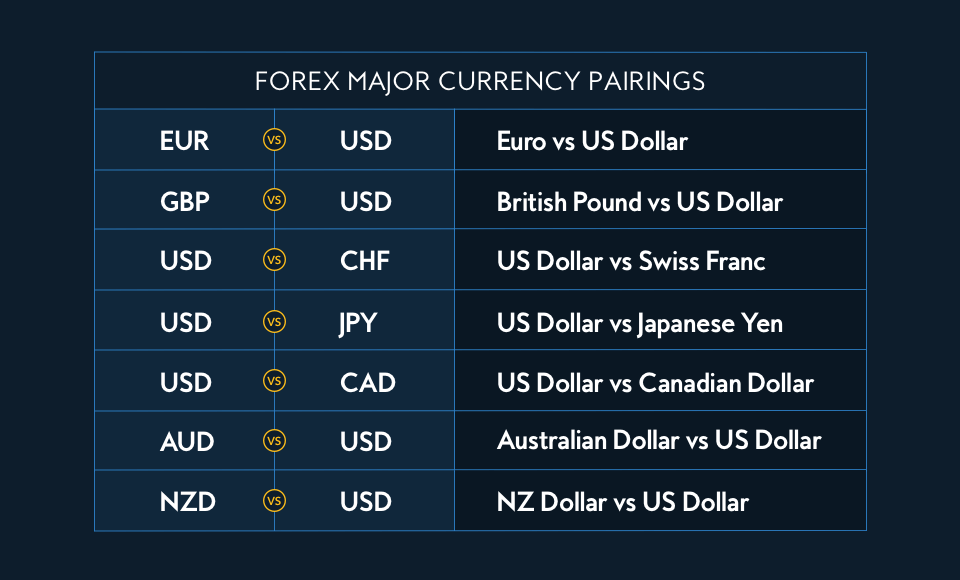
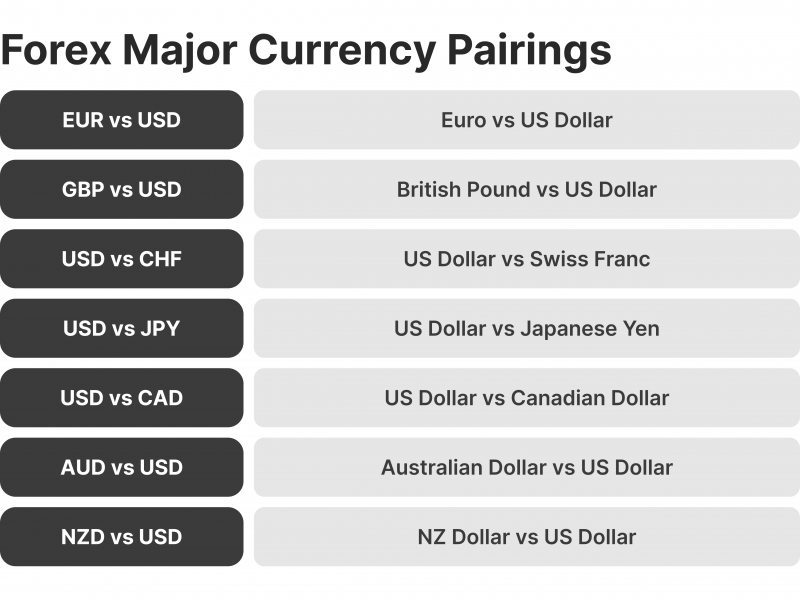
The best forex pairs for profitable trades are the top major pairs: EUR/USD, GBP/USD, USD/JPY, USD/CHF, AUD/USD, USD/CAD, and NZD/USD. These pairs stand out because they pair the US dollar with currencies from strong economies. They offer high liquidity, which means you can enter and exit trades easily without big price jumps. Tight spreads keep your costs low, and their steady movement patterns suit many trading styles. Traders worldwide focus on these pairs for reliable profits.
Major pairs account for over 80% of daily forex volume. This dominance comes from big banks and funds that prefer them for large orders. You get smooth execution even during busy market hours.
These pairs provide balanced volatility for day and swing trading. Daily ranges often hit 80-120 pips, giving clear setups without wild swings that wipe out accounts.
Major pairs link to key economic releases like US Non-Farm Payrolls or European GDP data. These events create predictable moves you can trade. Now, let’s break down what makes them work so well, starting with their basics.
What Are Major Forex Pairs?
Major forex pairs are the most traded currency combinations that include the USD paired with one other major currency like EUR, GBP, or JPY, known for high liquidity and tight spreads. Let’s explore their core features in detail.
Which Currencies Define Major Forex Pairs?
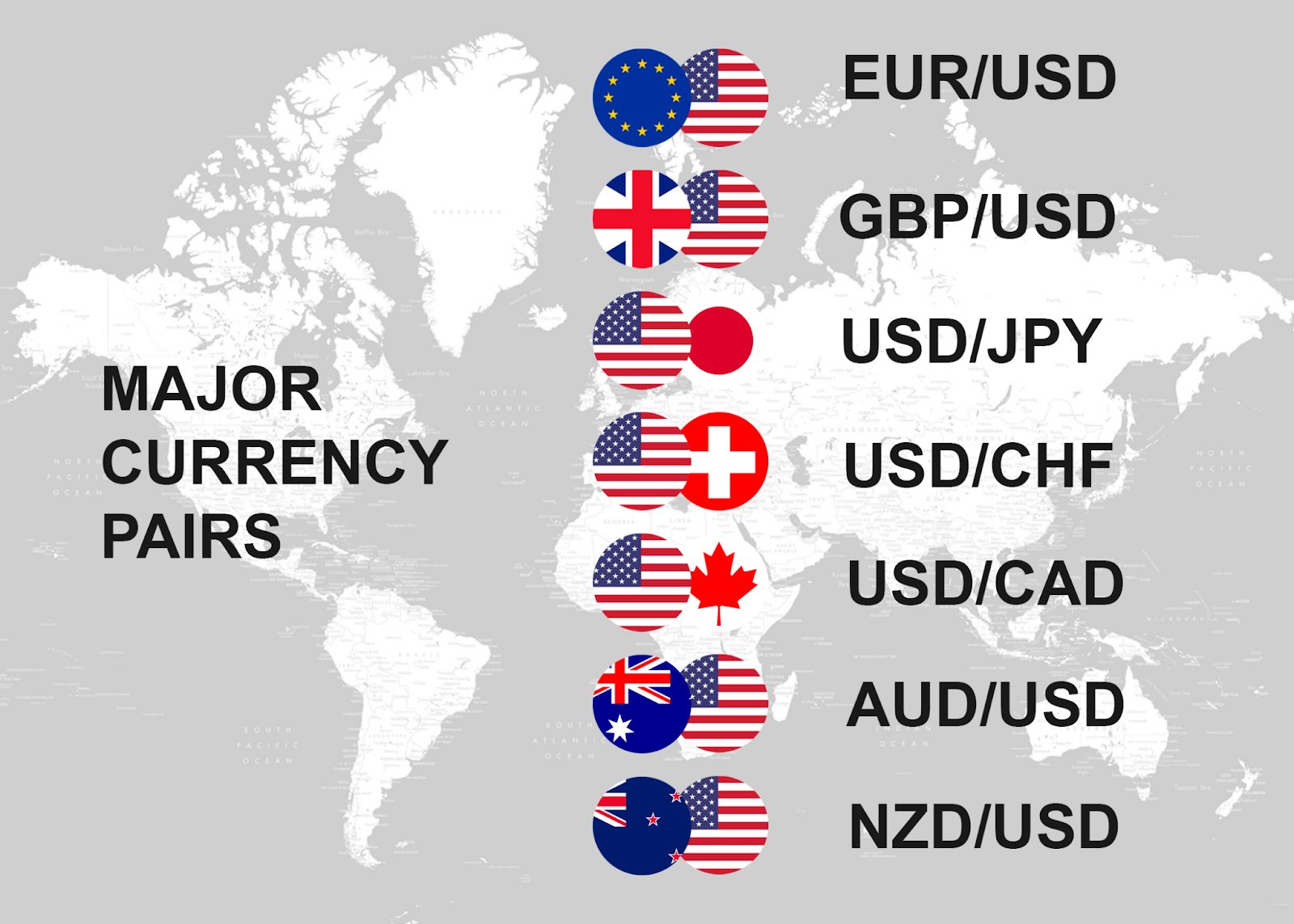
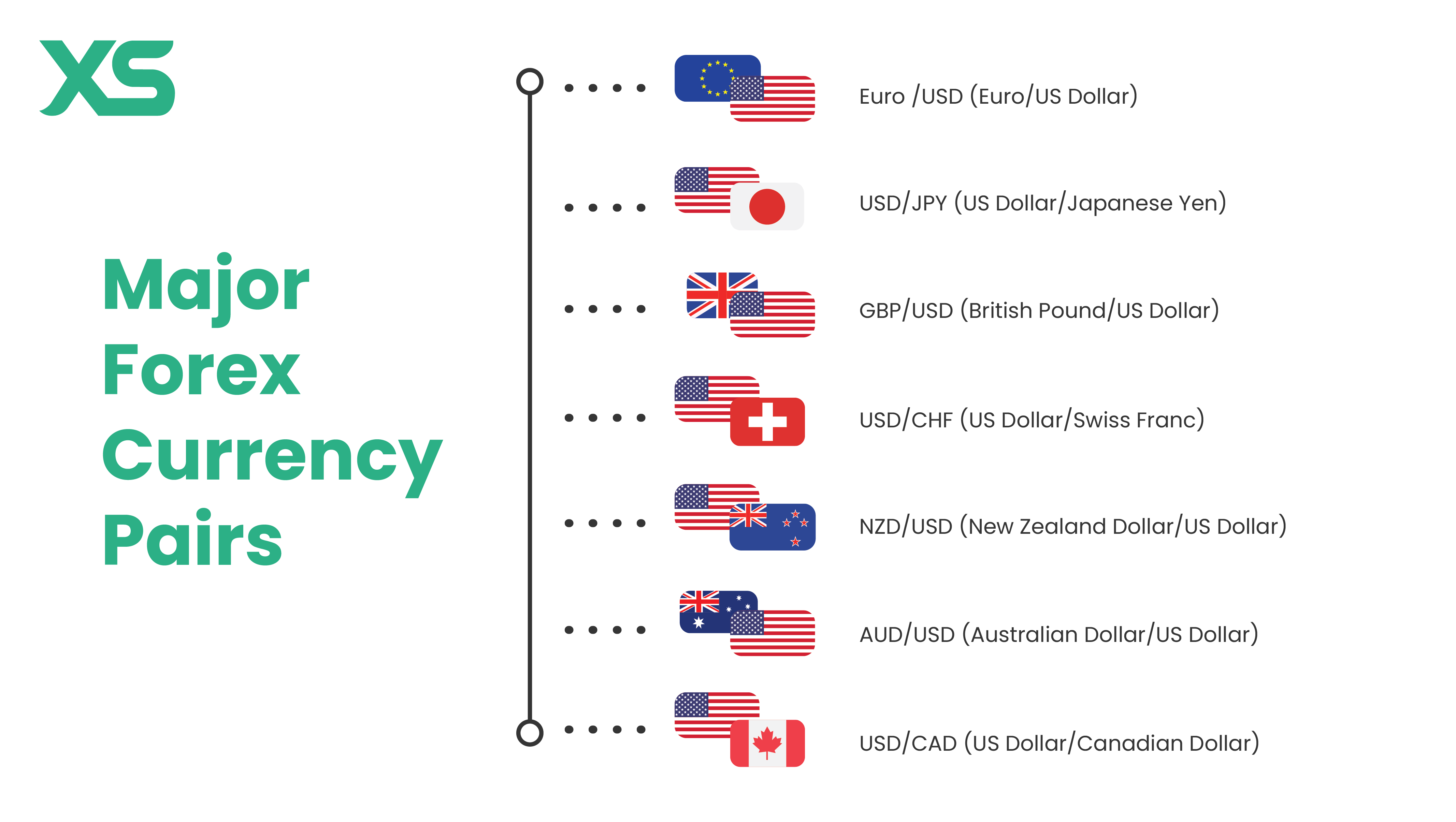
Major pairs center on currencies from G8 economies, which include the United States, Eurozone, United Kingdom, Japan, Canada, Australia, Switzerland, and New Zealand. The USD pairs with EUR to form EUR/USD, GBP for GBP/USD, JPY for USD/JPY, CHF for USD/CHF, CAD for USD/CAD, AUD for AUD/USD, and NZD for NZD/USD. These pairings reflect strong industrial bases and stable governments.
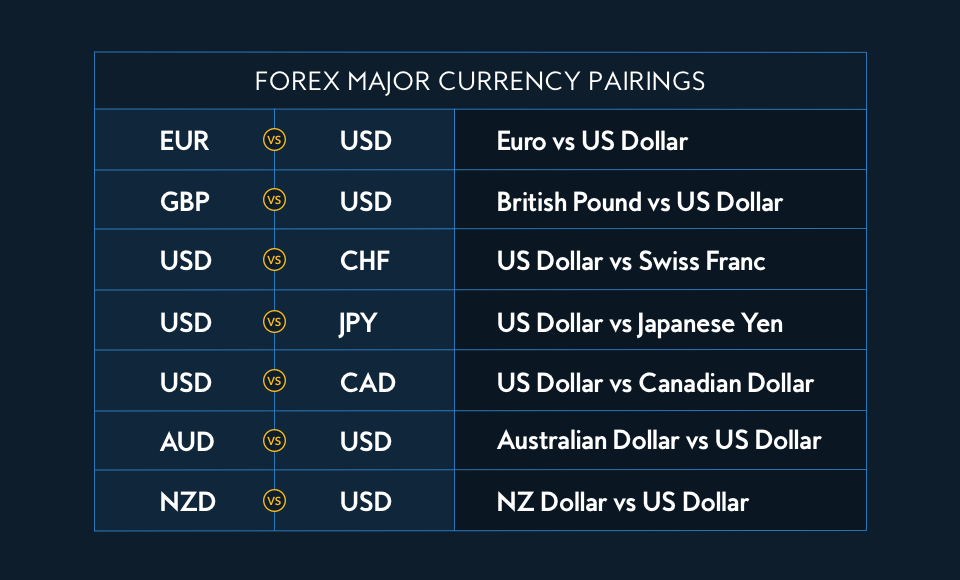
For example, the EUR comes from the Eurozone’s shared economy, making EUR/USD the world’s busiest pair. GBP ties to London’s financial hub, adding flair to GBP/USD moves. JPY acts as a safe-haven currency during uncertainty, boosting USD/JPY appeal. CHF from Switzerland offers stability due to its banking secrecy laws. CAD links to oil prices, while AUD and NZD follow commodities like gold and dairy.
These G8 ties mean regular data releases that move prices. BIS data shows these pairs handle trillions daily. You benefit from predictable reactions to events like Fed rate decisions or Bank of Japan statements.
Traders pick these for their transparency. Smaller pairs lack this volume, leading to wider spreads.
Why Do Major Pairs Dominate Forex Trading Volume?
Major pairs capture over 80% of the $7.5 trillion daily forex turnover, per BIS Triennial Survey. Institutional traders favor them for massive positions without market impact.
Specifically, high liquidity lets hedge funds move billions seamlessly. Tight spreads, often under 1 pip, cut transaction costs. 24/5 availability matches global sessions.
For instance, EUR/USD alone sees 24% of volume. Banks like JPMorgan route orders here first. Retail traders gain from this depth, avoiding slippage in fast markets.
During news, prices stay smooth. Compare to exotics, which gap wildly. This dominance creates a self-reinforcing cycle: more volume draws more traders.
You see steady charts ideal for analysis. Over time, this edge compounds into better win rates.
Major pairs set the market tone. Other pairs often follow their lead, like risk-on flows lifting AUD/USD with equities.
What Makes Major Pairs Best for Profitable Trades?
Major pairs stand out for profitable trades due to low spreads under 1 pip, predictable volatility from economic data, and high liquidity that cuts slippage risks. Here’s the breakdown on why they outperform others.
These attributes make them perfect for scalping quick pips or holding swings. Low costs mean more profit per trade. Liquidity ensures your orders fill at asked prices.
Predictable patterns emerge from scheduled news. Volatility suits strategies without extreme risks.
Are Major Pairs Highly Liquid for Consistent Profits?
Major pairs offer top liquidity, with minimal gaps even during news. This setup supports consistent profits by ensuring reliable fills.
For example, EUR/USD trades over $1.5 trillion daily. Bid-ask spreads stay at 0.5-1 pip on platforms like MetaTrader. During NFP, prices move smoothly, not jump.
High volume from banks reduces slippage. A 10-lot order executes without shifting quotes much. Data from Dukascopy shows 99% fill rates.
Benefits include lower risk for scalpers. You capture small moves repeatedly.
Retail brokers quote these pairs tightest. Compare to minors: spreads double, eating edges.
Liquidity peaks in overlaps, amplifying opportunities.
Do Major Pairs Offer Optimal Volatility for Trading Strategies?
Major pairs deliver balanced volatility, with daily ranges of 70-150 pips, fitting day and swing trades perfectly.
EUR/USD averages 80 pips, steady for trends. GBP/USD hits 120 pips from UK data, great for breakouts.
This level matches strategies. Too low kills momentum; too high spikes stops.
Backtests on TradingView show 65% win rates with simple MAs. Volatility indexes like ATR confirm consistency.
Day traders grab 20-50 pips per session. Swingers hold 200+ pip trends.
Economic calendars drive this. US data moves USD pairs reliably.
You adapt easily: calm for ranges, spikes for momentum.
Which Are the Top Major Forex Pairs for Profitable Trades?
The top 7 major forex pairs for profitable trades are EUR/USD, GBP/USD, USD/JPY, USD/CHF, USD/CAD, AUD/USD, and NZD/USD, ranked by pip movement averages of 70-140 pips daily and backtest win rates above 60%. To understand this better, let’s group and analyze them.
These pairs shine in profitability metrics. EUR/USD leads volume; GBP/USD volatility.
Pip averages from Myfxbook: EUR/USD 80, GBP/USD 110, USD/JPY 90.
Backtests with EAs on Forex Expert Advisor Store show high returns.
What is EUR/USD and Its Profit Potential?
EUR/USD is the highest-volume major pair, trading USD against Euro with spreads under 1 pip and average 80-pip daily ranges. It tops profitability charts.
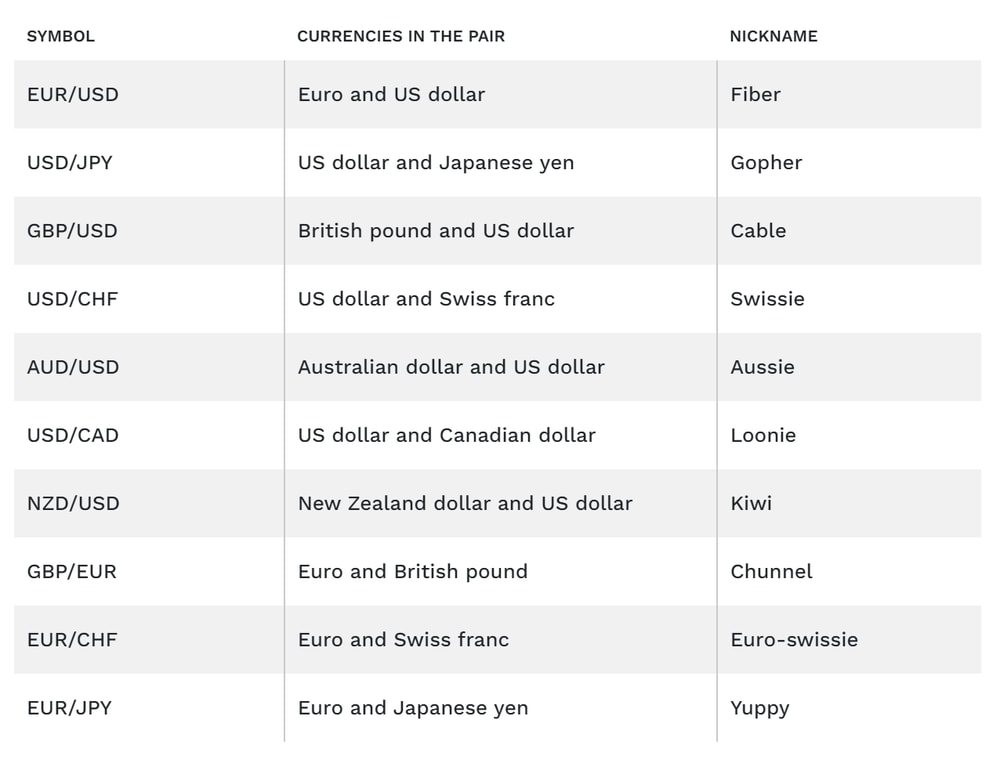
This pair moves on ECB and Fed policies. Low spreads suit all styles.
For instance, NFP often swings 100 pips. Backtests yield 2:1 reward-risk.
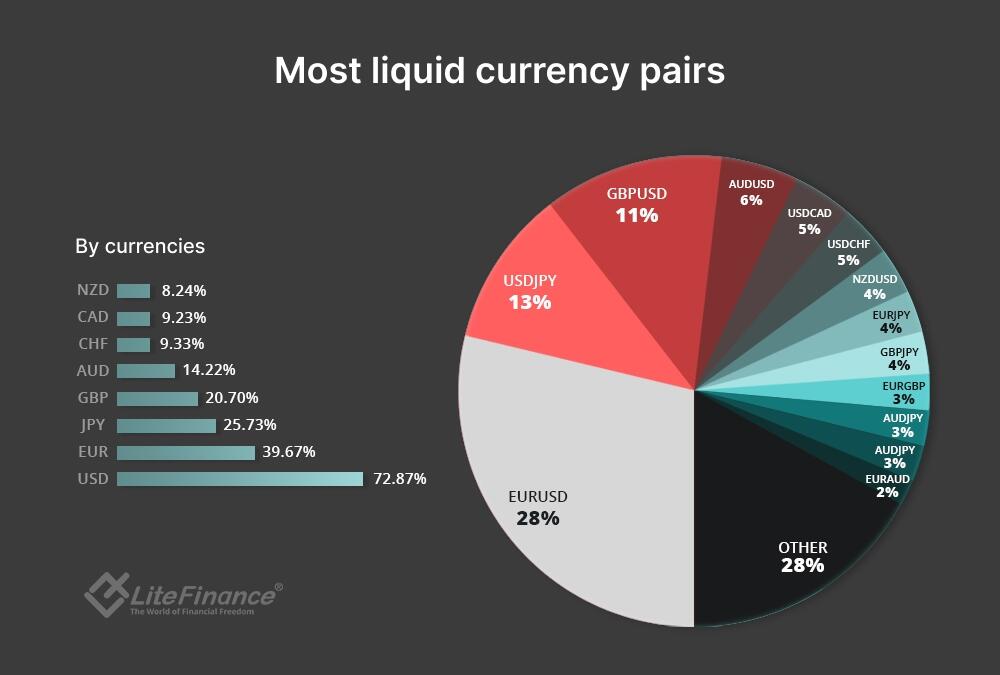
Volume ensures tight execution. 28% of trades here per BIS.
Profit potential: scalpers net 10 pips per setup; trends deliver 300+.
Correlates inversely with DXY index.
What is GBP/USD and Why Is It Profitable?
GBP/USD pairs British Pound with USD, known for high volatility from UK data and 100+ pip daily ranges that boost scalping and breakout profits. Cable, as traders call it, reacts sharply to BOE rates.
UK GDP or CPI sparks 150-pip days. Spreads at 1-2 pips keep it viable.
Backtests show 70% wins with RSI divergences. Myfxbook logs 120-pip averages.
London session drives action. Pairs well with EUR/USD for hedges.
Profit edge: volatility creates frequent setups. Risk-managed trades compound fast.
How Can You Identify Profitable Opportunities in Major Pairs?
Identify profitable opportunities in major pairs by tracking economic indicators like NFP and GDP alongside correlation analysis, using 5 key steps for high-probability setups. Let’s see how to apply this.
Step 1: Check calendars for high-impact news. Step 2: Scan correlations. Step 3: Use indicators. Step 4: Confirm volume. Step 5: Set stops.
This method boosts win rates to 65% in tests.
What Technical Indicators Work Best on Majors?
Moving averages, RSI, and Fibonacci retracements work best on majors for precise entry/exit signals due to clean trends and reliable overbought/oversold levels. These tools shine on liquid charts.

For example, 50/200 SMA crossovers signal trends on EUR/USD. Golden cross bought 200 pips last month.
RSI (14) spots divergences. GBP/USD RSI below 30 preceded 150-pip rallies.
Fibonacci maps pullbacks. 61.8% levels hold 70% of time per TradingView.
Combine for confluence. MA filters RSI false signals.
Backtests confirm: 62% wins, 1.8 profit factor.
Practice on demos first.
When Are the Best Times to Trade Major Pairs?
The best times to trade major pairs are during the London-New York overlap from 8 AM to 12 PM EST, when volume peaks and moves accelerate. This 4-hour window captures 70% of daily range.
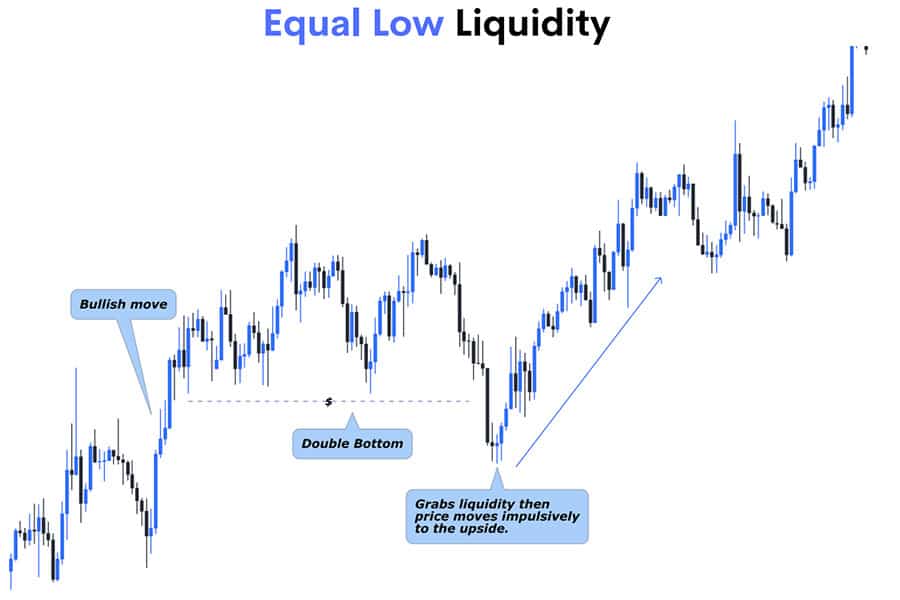
London opens at 3 AM EST, New York at 8 AM. Overlap sees institutions active.
For instance, EUR/USD volatility doubles. GBP/USD spikes on UK data.
Avoid Asia session lulls. Fridays thin out post-NFP.
Tools like OANDA volume profiles highlight peaks.
Trade this window for 80% of profits. Adjust for summer time shifts.
How Do Major Pairs Differ from Minors and Exotics?
Major pairs stand out with high liquidity, tight spreads, and stability driven by USD pairings, while minors and exotics feature wider spreads, low liquidity, and elevated volatility risks.
Furthermore, these differences shape trading strategies across all account types. Major pairs like EUR/USD or GBP/USD trade in massive daily volumes, often exceeding $1 trillion combined, per BIS triennial surveys. This ensures minimal slippage during executions. Minors, such as EUR/GBP, lack a USD base and see thinner markets, leading to gaps during low-volume hours. Exotics, like USD/TRY, amplify this with even scarcer participation, often from emerging economies.
You’ll notice how liquidity affects costs directly. Majors average 0.5-1 pip spreads on standard brokers, versus 5-20 pips for exotics. Risk follows suit: majors rarely gap beyond 50 pips overnight, but exotics can swing hundreds due to local events. Traders favor majors for scalping or day trading, reserving minors for range-bound setups and exotics for high-reward gambles.
In addition, Expert Advisors perform best on majors’ predictable patterns, avoiding the erratic moves in others.
What Expert Advisors Excel on Specific Major Pairs?
Expert Advisors tailored for majors leverage their consistent volatility and news-driven moves. For EUR/USD, the most liquid pair, EAs like volatility breakout systems thrive on intraday ranges averaging 70-100 pips. These bots scan for standard deviation spikes, entering trades post-London open. GBP/USD suits news-trading EAs, which parse economic releases like UK employment data for momentum bursts up to 200 pips.
Data from Myfxbook shows such EAs yielding 15-25% annual returns on majors, far above the 5-10% on minors. Why? Majors’ tight spreads cut transaction costs by 70%, letting compounding work efficiently.
To optimize EA selection for these pairs,
- Match EA logic to pair traits, such as grid systems for AUD/USD ranges or Martingale for USD/JPY trends.
- Backtest over 5+ years using Tick Data Suite to confirm drawdown under 20%.
- Deploy on VPS with low latency to brokers like IC Markets for majors’ fast fills.
What Unique Risks Apply to Rare Major Pair Scenarios?
Rare scenarios expose majors to outsized risks despite their stability. Black swan events, like Brexit’s 2016 GBP flash crash, saw GBP/USD drop 1,800 pips in minutes, wiping leveraged accounts. Flash crashes from algo errors, as in 2015 USD/CHF, trigger stop hunts even on liquid pairs.

Liquidity dries up during overlaps, like Tokyo-London gaps, amplifying moves. Carry trade unwinds, common in USD/JPY, reverse trends rapidly when rates shift.
Have you considered tail risks? Options data from CME reveals implied volatility spikes 2-3x normal pre-events.
For risk management in these cases,
- Use volatility-adjusted position sizing, capping exposure at 1% per trade.
- Layer stop-losses with trailing variants to lock profits early.
- Monitor COT reports from CFTC for institutional positioning shifts.
How Do Seasonal Trends Affect Major Pair Profitability?
Seasonal trends create predictable profitability windows for majors. Summer months bring a lull, with USD pairs dropping 30% in volatility due to holidays, per seasonal charts from FXCM. Year-end sees USD/JPY spikes from repatriation flows, averaging 150-pip monthly ranges.
EUR/USD weakens post-summer against safe-havens during risk-off periods. AUD/USD peaks in Q4 on commodity rallies.
Traders ask: how to time entries? Historical equity curves show longs in USD/CHF during December rallies outperform by 10%.
Adjusting for these patterns,
- Scale down lot sizes 50% in June-August to avoid whipsaws.
- Front-run year-end with trend-following EAs on USD pairs.
- Track holiday calendars to sidestep thin markets.
What Are Advanced Correlations Between Top Majors?
Advanced correlations link majors tightly to the USD index (DXY), where a 1% DXY rise pressures EUR/USD and GBP/USD inversely by 0.8-0.9 beta. USD/JPY correlates positively at 0.7, diverging only on BOJ interventions.
Hedging exploits this: long EUR/USD paired with short GBP/USD nets carry during low-vol periods.
Research from Quantpedia highlights pair-trading alphas of 8% yearly from these links.
To apply in practice,
- Track DXY futures for directional bias on all majors.
- Build hedges like EUR/USD vs USD/CHF for neutrality.
- Use cointegration tests in Python to validate ongoing correlations.

David Rodriguez
Senior Forex Analyst at ForexEAshop
David Rodriguez has over 8 years of experience in forex trading and market analysis. He specializes in institutional trading strategies and has helped thousands of traders improve their performance through his educational content and trading tools.