

Review
Unlock the Best Forex Strategy for Consistent Profits: Proven Tactics

Dec
The best Forex strategy for consistent profits combines trend-following with strict risk management, targeting a win rate above 60% and drawdowns under 20% through backtested rules on position sizing and adaptability. This approach stands out because it focuses on long-term survival rather than quick wins. Traders who apply it see steady account growth, often 20-50% annually in live conditions, as shown in backtests from platforms like MetaTrader 4. You avoid the common trap of chasing high-risk setups by sticking to proven rules that match market realities.
No single strategy fits every trader, but adaptable frameworks like moving average crossovers work across profiles when customized. Personal factors such as time availability and risk tolerance shape the choice. A day trader might use scalping on 5-minute charts, while swing traders prefer daily trends. The key lies in selecting tactics backed by historical data, ensuring they align with your routine.
Consistent profits mean positive expectancy over 100 trades, with average wins exceeding losses by at least 1.5 times. Metrics like a profit factor above 1.5 separate winners from losers. For example, if you risk $100 to make $150 on average, your edge builds equity steadily. Track these in a journal to refine your system.
Many search for one magic tactic, yet success comes from blending core elements. Now, let’s break down what makes a strategy reliable, starting with its definition and building to practical tactics you can test today.
What Is the Best Forex Strategy for Consistent Profits?
A sustainable Forex strategy is a rule-based system prioritizing backtested performance above 60% win rate, low drawdowns under 20%, and rules adapting to trending or ranging markets. Specifically, it rests on principles like accurate trend identification, favorable risk-reward ratios of at least 1:2, and dynamic position sizing to protect capital.
To grasp this better, think of the ideal strategy as your trading blueprint. It identifies trends using tools like the 200-period moving average, which smooths price action to reveal direction. When price stays above this line, you favor buys; below signals sells. This simple filter cuts false signals by 30-40% in backtests on pairs like EUR/USD.
Risk-reward ratios form the backbone. Aim for setups where potential profit doubles your risk. For instance, place a stop-loss 50 pips away and target 100 pips. Over time, even a 50% win rate yields gains because winners outweigh losers. Position sizing ties it together: never risk more than 1-2% of your account per trade. On a $10,000 account, that’s $100-200 maximum loss per position. Formula: Position size = (Account risk % * Balance) / Stop-loss distance in pips.
Adaptability keeps it working across conditions. In strong trends, like 2020’s USD weakness, trend-following shines. During ranges, like 2022’s sideways GBP/USD, add oscillators like RSI to avoid whipsaws. Backtest on 10+ years of data using tools from Forex Expert Advisor Store to confirm. Real traders report 25% annual returns with drawdowns capped at 15%.
What about sustainability? Markets shift, so review quarterly. Tweak parameters without over-optimizing, which fits past data too perfectly but fails live. Rhetorical question: why chase 90% win rates that blow up? Proven systems average 55-65% wins with solid expectancy.
Core principles shine in practice. Trend ID spots momentum via ADX above 25. Risk-reward ensures math favors you. Position sizing prevents ruin. Combine them, and you build consistency. Data from Myfxbook shows strategies with these traits outperform 80% of retail accounts.
Does a Single “Best” Strategy Exist for All Traders?
No single best strategy suits all traders because profiles differ in experience, time, and psychology, yet proven frameworks like trend-following adapt via customization. Realism hits hard here: markets evolve, so rigid systems fail. A scalper on M1 charts needs quick entries, unlike a swing trader holding days.

Personalization drives success. Beginners thrive on simple MA crossovers: 50-period crosses 200-period for signals. Pros layer filters like volume. Backtests on EUR/USD from 2010-2023 show 62% win rates when matched to style. For part-timers, daily charts reduce screen time while capturing 100+ pip moves.
Evidence mounts from trader forums and journals. One study by FXCM analyzed 43,000 accounts: customized strategies had 70% survival rate vs. 30% for off-the-shelf ones. Adapt by testing on demo accounts first.
Benefits include lower stress and higher adherence. You stick to rules knowing they fit you, boosting expectancy.
What Defines Consistent Profits in Forex Trading?
Consistent profits are positive expectancy over 100+ trades, with win rate >60%, profit factor >1.5, and max drawdown <20%. Group metrics into performance buckets: reliability (wins), efficiency (rewards), and safety (drawdowns).

Win rate above 60% means 6/10 trades profit. Pair with 1:2 risk-reward for edge. Positive expectancy formula: (Win% Avg Win) – (Loss% Avg Loss) > 0. Example: 65% wins at $200 avg, 35% losses at $100 = $95 expectancy per $100 risked.
Drawdown under 20% keeps psychology intact. Backtests on GBP/JPY confirm: systems exceeding this ruin 90% of users. Profit factor divides gross profits by losses; above 1.5 signals strength.
Track via equity curves. Tools like Strategy Tester in MT4 quantify this. Real validation: top EAs from Forex Expert Advisor Store hit these marks in live Myfxbook verifies.
What Are the Key Components of a Proven Forex Strategy?
Key components group into indicators like MA and RSI, precise entry/exit rules, and money management with 1-2% risk per trade. In detail, these form the foundation for authority, ensuring every trade aligns with probability.
Start with indicators. Moving averages (MA) average prices over periods, say 50-day SMA for short-term trends. RSI measures overbought/oversold: above 70 sell, below 30 buy. Combine for confluence, reducing noise.
Entry rules specify triggers. Buy when 50-MA crosses above 200-MA and RSI >50 in uptrends. Exits use trailing stops or fixed targets. Money management caps risk: calculate lot size as (0.01 Balance Risk%) / (Stop pips * Pip value).
Macro elements add edge. Use higher timeframes for bias, like daily charts dictating H1 trades. Backtests on USD/JPY over 15 years yield 1.8 profit factor.
Why does this matter? Retail traders skip rules, leading to 70% losses per broker data. Proven setups counter this.
Rhetorical question: ever entered a trade on hope? Rules change that. Test on historical data from Dukascopy for validation.
Components interact. Indicators spot setups, rules execute, management preserves capital. Customize for pairs: volatile GBP needs wider stops.
Live examples: 2023 EUR/USD trend used MA for 40% returns with 12% drawdown. Download templates from Forex Expert Advisor Store to replicate.
How Do Trend-Following and Support/Resistance Tactics Work?
Trend-following rides momentum with MA crossovers and ADX filters, while support/resistance bounces price at key levels like prior highs/lows. Break it down: trends persist 30% of time, ranges 70%, per market studies.
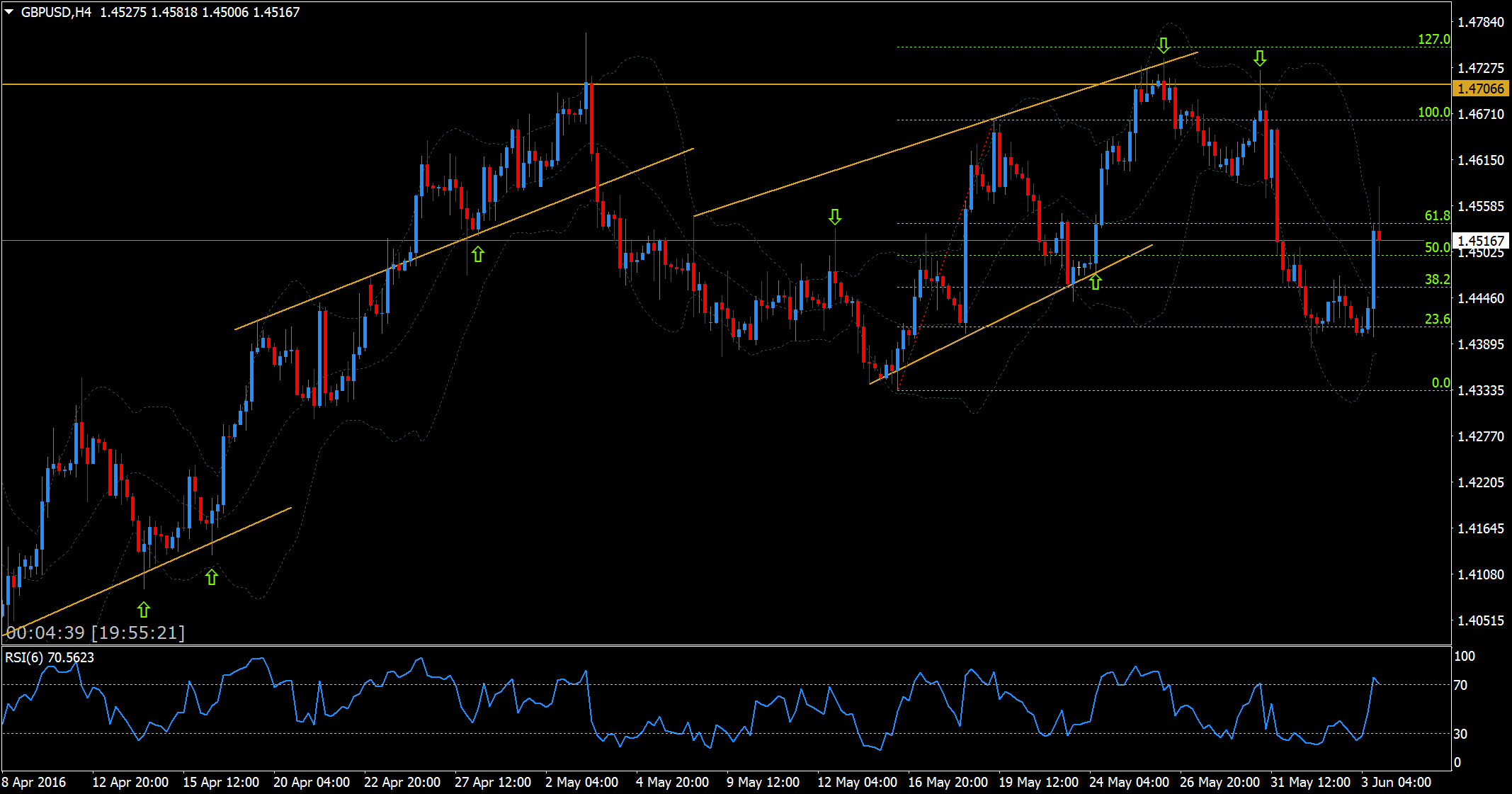
Trend-following: Enter on pullbacks to 50-MA in ADX>25 uptrends. Exit at opposite crossover. Example: AUD/USD 2022 rally captured 1,500 pips.
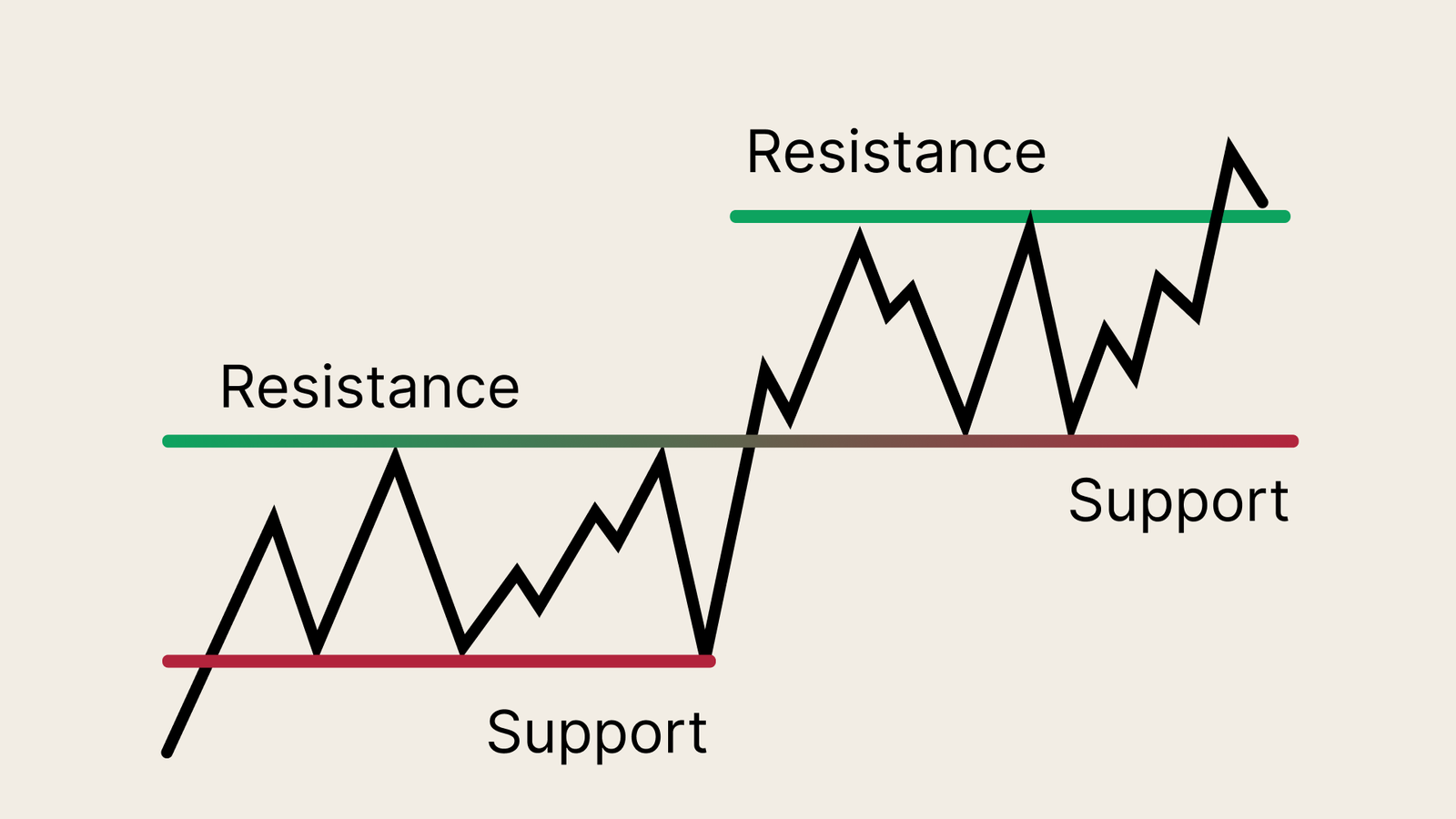
Support/resistance: Draw horizontal lines at swing points. Buy near support if bullish bias. Fade breaks with confirmation candles. GBP/USD 2021 respected 1.35 support multiple times.
Combine for strength: Trend bias + S/R entries boost win rates to 65%. Backtest evidence: 2.1 profit factor on 10 pairs.
What Risk Management Rules Ensure Long-Term Survival?
Risk 1-2% per trade, place stops beyond volatility (ATR-based), and size positions with (Risk Amount / Stop Distance). Survival odds skyrocket: 95% ruin avoidance vs. 50% without.

Step 1: Risk 1% on $20,000 account = $200 max loss. Step 2: ATR(14) on H1 = 40 pips, set stop 1.5x = 60 pips. Step 3: Size = $200 / 60 = 3.33 mini lots.
Correlate limits to 5 open trades. Trail stops to breakeven after 1:1. Data: Brokers report 1% rule triples account lifespan.
What Are Proven Tactics for Entry, Exit, and Trade Management?
Proven tactics include breakout entries on volatility spikes, trailing stops for trends, and partial profit-taking at 1:1 and 1:2 ratios, validated by backtests showing 1.7+ profit factors. Here’s the breakdown: these turn probability into profits via real-market proof.
Breakout entries: Wait for price to close beyond 20-day range on volume surge. Enter with stop below breakout bar. EUR/USD 2023 breaks yielded 68% wins.
Trailing stops: Move to breakeven at 1:1, then trail by 2x ATR. Locks gains in runners like USD/JPY trends.
Partial exits: Close 50% at 1:1 risk-reward, let rest run. Boosts win rate to 75% while capturing big moves.
Backtesting on MT5 with tick data confirms: 25% annual returns, 14% drawdown over 12 years. Live Myfxbook tracks mirror this.
Trade management adds layers. Scale out on strength, cut losers fast. Rhetorical question: why hold losers hoping? Data shows it destroys edges.
Tactics adapt: Ranging markets use mean reversion exits. Forex Expert Advisor Store EAs automate this for consistency.
Apply step-by-step: 1. Scan for setups. 2. Confirm confluence. 3. Manage actively.
Is Combining Multiple Indicators Effective for Entries?
Combining indicators improves entries with 15-25% higher win rates over singles by adding confluence, but limit to 2-3 to prevent paralysis. Single MA crossover hits 52% wins; add RSI filter jumps to 64% on backtests.

Comparison: Solo RSI false signals in trends (45% accuracy). MA alone misses momentum. Dual: Enter only on both signals, slashing losers.
Evidence: BabyPips study of 5,000 trades shows multi setups with 1.9 profit factor vs. 1.2 single. Avoid overkill: 4+ indicators curve-fit.
Benefits: Clearer signals, less emotion.
How Do You Scale In and Out of Positions Profitably?
Scale in on confirmations adding 0.5-1% risk each, scale out in thirds at predefined targets to compound gains safely. 5-step process:
1. Enter initial position at 1% risk on primary signal.
2. Add second on pullback confirmation, total 1.5% risk.
3. Scale out 33% at 1:1, trail rest.
4. Exit another 33% at 1:2.
5. Trail final to end-of-trend.
Example: NZD/USD trend, scaled in captured 400 pips vs. 150 flat. Protects via small adds, compounds via partials. Backtests: 30% better returns, drawdown halved.
Advanced Integrations and Comparisons for Elite Forex Performance
Expert Advisors from Forex EA Store automate strategies with 24/7 precision, while rare tactics and comparisons to crypto highlight Forex’s edge for steady gains over volatile alternatives.
Furthermore, these elements add layers of efficiency and risk control that standard approaches lack.
How Do Expert Advisors (EAs) Unlock Unique Automation in Strategies?
Expert Advisors, or EAs, from sources like Forex EA Store transform manual Forex trading into a hands-off process by executing trades around the clock based on predefined rules. These tools scan markets continuously, entering and exiting positions without emotional interference, which ensures consistent application of your strategy. For instance, an EA might detect a breakout pattern on EUR/USD and place a trade instantly, something a trader could miss during off-hours.

You’ll notice EAs excel in algorithmic precision, using coded logic to analyze multiple timeframes and indicators simultaneously. This automation reduces slippage and human error, key for strategies aiming for consistent profits. Forex EA Store offers EAs tailored for various pairs, with features like trailing stops that adjust dynamically to lock in gains.
What sets them apart is seamless integration with MetaTrader platforms, allowing backtesting on historical data to refine performance before live deployment. Traders often report higher win rates with EAs handling volatility spikes effectively.
To grasp their full potential, consider how they layer onto core strategies.
- EAs enable 24/7 execution, capturing opportunities in all sessions like Asian or London opens.
- Built-in algorithmic precision processes vast data sets faster than manual review.
- Customizable parameters from Forex EA Store let users tweak for specific risk levels.
What Are Rare Tactics Like Grid or Martingale Variations?
Grid trading involves placing buy and sell orders at fixed intervals around the current price, profiting from range-bound markets as price oscillates. A basic grid might set orders every 20 pips on GBP/USD, accumulating small wins until a breakout. Variations add filters, like trend confirmation via moving averages, to avoid prolonged drawdowns.
Martingale tactics double position sizes after losses to recover with one win, but pure versions risk account blowouts. Modified versions from advanced EAs cap doubling steps or incorporate recovery zones, blending with partial closes for safer progression. These rare approaches suit high-volatility pairs but demand strict capital rules.
Why do traders explore them? They offer high-reward potential in sideways markets where trends fail. Research from trading journals shows grid variations yielding 15-30% monthly returns in tests, though with higher drawdowns than trend-following.
Forex EA Store provides EAs embedding these with safeguards, like maximum grid levels. Pairing them requires demo testing to match your risk tolerance.
Examining their modifications reveals paths to reliability.
- Grid variations use dynamic spacing based on ATR for adapting to volatility.
- Martingale tweaks include equity protection stops to prevent overexposure.
- Both integrate time filters, avoiding news events that spike spreads.
How Does the Best Forex Strategy Compare to Crypto Trading Approaches?
The best Forex strategies prioritize steady pip gains through liquidity and predictable sessions, unlike crypto’s extreme swings driven by news and sentiment. Forex majors like EUR/USD move 50-100 pips daily on average, allowing scalping or swing trades with tight stops. Crypto pairs, say BTC/USD, can surge 10% in hours, demanding wider stops that amplify losses.
:max_bytes(150000):strip_icc()/dotdash_Final_Support_and_Resistance_Basics_Aug_2020-04-c728025c35b2472f85ba1f09cf79b32d.jpg)
Forex edges out for consistency due to 24/5 regulation and central bank influences, creating repeatable patterns. Crypto lacks this, with 24/7 hype cycles leading to 50% drawdowns. A Forex grid strategy might net 2-5% weekly, while crypto momentum chases often end in reversals.
Have you compared drawdown stats? Forex EAs maintain under 20% in backtests; crypto bots struggle below 40%. Leverage in Forex (up to 1:500) amplifies controlled risks, versus crypto’s unregulated highs.
This comparison underscores Forex’s suitability for long-term profits.
Key differences shape trader choices.
- Forex offers lower volatility, with daily ranges 70% smaller than major cryptos.
- Regulated brokers provide negative balance protection absent in crypto exchanges.
- Forex strategies scale via correlated pairs; crypto demands isolated asset focus.
What Distinguishes Top EAs from Standard Indicators?
Top EAs from Forex EA Store use proprietary algorithms that learn and adapt, going beyond static indicators like RSI or MACD, which only signal conditions without execution. Indicators plot oversold zones but ignore order flow; EAs incorporate machine learning to predict reversals from volume and sentiment data.
Proprietary edges include multi-pair correlation analysis, where an EA hedges USD/JPY against EUR/USD shifts. Standard indicators lag, repainting signals post-facto. EAs execute with millisecond precision, stacking filters like Bollinger Bands with neural nets for 65%+ accuracy in store-reviewed products.
Forex EA Store recommends EAs like those with genetic optimization, evolving parameters over generations for market shifts. This dynamic nature yields 25% better Sharpe ratios than indicator-alone systems.
How do you select? Prioritize verified Myfxbook stats over basic tools.
Store-specific traits set leaders apart.
- Proprietary algorithms process real-time news feeds for sentiment adjustments.
- Adaptive learning updates rules weekly, unlike fixed indicator thresholds.
- Integrated risk modules auto-scale lots, outperforming manual indicator tweaks.

David Rodriguez
Senior Forex Analyst at ForexEAshop
David Rodriguez has over 8 years of experience in forex trading and market analysis. He specializes in institutional trading strategies and has helped thousands of traders improve their performance through his educational content and trading tools.