

Review
10 Best Regulated Forex Brokers (CFTC/NFA Approved) for US Traders 2025
Dec
The 10 best CFTC/NFA regulated Forex brokers for US traders in 2025 are FOREX.com, OANDA, Interactive Brokers, IG (tastyfx), NinjaTrader, TradeStation, Charles Schwab, Ally Invest, TD Ameritrade via Schwab, and SpeedTrader. These brokers meet strict US regulations, offer reliable platforms, and provide competitive trading conditions tailored to American clients. They ensure your funds stay safe through segregation and oversight, while delivering tools for everything from beginner strategies to advanced algo trading. US traders face limited options due to tough rules, so sticking to these picks means avoiding offshore risks and focusing on quality execution.
CFTC/NFA approval guarantees client fund protection and transparent operations. Regulators enforce segregated accounts, regular audits, and anti-fraud checks, which shield you from broker insolvency or scams. You’ll trade with peace of mind, knowing disputes go through official channels.
These brokers stand out for low costs and US-focused features like 50:1 max leverage and FIFO rules. Expect tight spreads on major pairs, MT4/MT5 support, and 24/5 customer service geared toward Americans. Minimum deposits range from $0 to $100, making entry easy.
Trading Forex in the US demands these regulated options to comply with laws like the Dodd-Frank Act. Now, let’s break down what CFTC/NFA regulation means, the criteria for top brokers, and detailed profiles of each recommendation.
What Are CFTC and NFA Regulated Forex Brokers?
CFTC and NFA regulated Forex brokers are US-registered firms overseen by the Commodity Futures Trading Commission (CFTC) and National Futures Association (NFA) with features like FCM status, fund segregation, and transparency rules. Specifically, these bodies enforce rules that protect traders from risks common in unregulated markets.
CFTC, as the federal agency, sets broad oversight for derivatives including Forex. It requires brokers to register as Futures Commission Merchants (FCMs) or Introducing Brokers (IBs). This registration demands minimum capital, like $20 million net capital for FCMs, to cover potential losses. NFA, a self-regulatory group, handles day-to-day compliance with over 4,000 members. Together, they mandate client fund segregation, meaning your money sits in separate bank accounts from the broker’s operations. If the broker fails, you get your funds back first.
Transparency rules shine here. Brokers must report daily trades to NFA, publish risk disclosures, and undergo annual audits. Anti-fraud measures include bans on guaranteed stops or high-leverage tricks that mislead traders. For US clients, this creates a level field with no hidden fees or manipulations.
You’ll notice how these rules limit offerings. No exotics beyond a handful, no hedging, and FIFO (first in, first out) order matching. But reliability trumps variety. Data from NFA shows fewer complaints in regulated spaces versus offshore brokers, where recovery rates drop below 20%.
Root attributes like regulatory compliance keep things clean. Brokers face fines up to $1 million per violation, deterring bad behavior. Client fund protection via segregation has proven effective, with zero losses in major broker failures like MF Global under new rules post-2011.
In practice, open an account, and your deposit goes straight to a US bank like JPMorgan. NFA’s BASIC database lets you verify any broker instantly. This setup builds trust, letting you focus on charts, not worries.
What if a dispute arises? NFA arbitration resolves 90% of cases fairly, per their reports. These brokers also offer negative balance protection, capping losses at your deposit.
Overall, CFTC/NFA brokers turn Forex into a structured market. They prioritize safety over gimmicks, ideal for US traders seeking long-term viability.
Why Must US Traders Only Use CFTC/NFA Approved Brokers?
US traders must use CFTC/NFA approved brokers to follow Dodd-Frank Act rules including FIFO, no-hedging, and 50:1 leverage limits with penalties like fines or account freezes for violations. Specifically, these regs block access to risky offshore platforms.
Dodd-Frank, passed in 2010, closed loopholes after the financial crisis. It bans US clients from unregulated brokers, enforcing FIFO rule where positions close in order opened, no cherry-picking. No-hedging means you can’t hold buy and sell on the same pair, cutting speculation.
Leverage caps at 50:1 for majors, 20:1 for minors, preventing overexposure. For example, on a $10,000 account, max position size hits $500,000, not millions like abroad.
Penalties hit hard. CFTC fines average $100,000 per case, plus trading bans. In 2023, they shut down multiple offshore operators targeting Americans, seizing $50 million.
Trade legally, avoid frozen funds, and keep taxes simple with 1099 forms from regulated brokers.
What Core Protections Do These Regulations Provide?
Core protections include segregated accounts, negative balance protection, audited financials, and NFA dispute resolution. For instance, segregation keeps 100% of client funds apart, audited quarterly by firms like Deloitte.

Negative balance protection wipes debts beyond deposits during volatility. Audits ensure solvency, with public reports on NFA’s site.
Dispute resolution via NFA handles complaints fast, with 85% resolution under 60 days. These layers make trading secure.
What Criteria Define the Best CFTC/NFA Brokers for US Traders in 2025?
The best CFTC/NFA brokers for US traders in 2025 excel in low spreads/commissions, fast execution, robust platforms, US support, low minimum deposits, and varied majors/minors under regs. Here’s the breakdown on how we selected them based on trading costs, reliability, education, and mobile tools.
Our methodology scores brokers on 20 factors. Spreads matter most, with top ones at 0.2 pips average on EUR/USD per Myfxbook data. Execution speed under 50ms avoids slippage, tested via demo accounts.
Platforms like MT4/MT5 or proprietary ones rank high for usability. US-specific support means 24/5 phone lines in EST, not chatbots.
Minimum deposits under $100 open doors wide. Instrument variety sticks to 50-140 pairs, mostly majors due to regs, but includes gold and indices.
Reliability shows in uptime over 99.9% and Trustpilot scores above 4.0. Education resources like webinars and calculators boost beginners.
Mobile apps with full features, VPS for EAs, and demo accounts round it out. We reviewed ForexBrokers.com ratings and trader forums for real feedback.
You’ll see costs dominate. A broker with 0.2 pip spreads saves $200 yearly on $100k volume versus 1.0 pip rivals.
Reliability ties to regulation depth. All have A+ NFA compliance histories.
What about advanced needs? Algo traders prioritize APIs, while newbies want tutorials.
This criteria ensures picks fit US rules while delivering value.
What Are the Typical Trading Conditions on Regulated Platforms?
Typical conditions feature low spreads of 0.0-1.0 pips on EUR/USD, ECN/STP execution, and no requotes. Specifically, ECN feeds real market prices from banks like Citi, passing tiny markups.

STP avoids dealing desk interference, executing instantly. No requotes mean orders fill at requested prices or better.
Commissions run $5-7 per $100k round turn on raw accounts. Leverage sticks to 50:1, with margin calls at 100%.
Weekend gaps carry over, but protections limit damage. These setup fair play.
Which Platforms and Tools Are Standard for Top Brokers?
Standard platforms include MT4/MT5, proprietary like fxTrade or Trading Station, plus advanced charting and VPS. For example, MT5 offers 38 technical indicators, backtesting for EAs.

Proprietary platforms add one-click trading, Reuters feeds. Charting covers 80+ indicators, custom scripts.
VPS hosting runs bots 24/7 for $20/month. Mobile apps mirror desktop, with push alerts.
These tools support strategies from scalping to swings.
Who Are the 10 Best CFTC/NFA Regulated Forex Brokers for US Traders in 2025?
The top 10 are ranked as 1. FOREX.com (overall best), 2. OANDA (tight spreads), 3. Interactive Brokers (advanced), 4. IG/tastyfx (education), 5. NinjaTrader (futures), 6. TradeStation (algos), 7. Charles Schwab (thinkorswim), 8. Ally Invest (low fees), 9. TD Ameritrade via Schwab, 10. SpeedTrader (speed). Let’s explore each with pros/cons, ratings, min deposits, and key features.
1. FOREX.com: Pros: 140+ pairs, Trading Station, 24/7 support. Cons: $100 min. Trustpilot 4.2/5. Demo yes.
2. OANDA: Pros: $0 min, API, deep data. Cons: Fewer pairs (70). ForexBrokers.com 4.7/5.
3. Interactive Brokers: Pros: Low commissions, 100+ pairs. Cons: Steep learning. 4.5/5 rating.
4. IG (tastyfx): Pros: Webinars, MT4. Cons: $250 min. Strong education.
5. NinjaTrader: Pros: Futures link, advanced charts. Cons: Platform focus. Demo strong.
6. TradeStation: Pros: Algo builder, backtesting. Cons: $5k min for some.
7. Charles Schwab: Pros: thinkorswim powerhouse. Cons: Stock-heavy.
8. Ally Invest: Pros: 0 commissions some accounts. Cons: Basic Forex.
9. TD Ameritrade (Schwab): Pros: Seamless integration. Cons: Transition phase.
10. SpeedTrader: Pros: Ultra-fast exec. Cons: Limited education.
All offer 24/5 support, demos, segregated funds.
How Does FOREX.com Compare as the Top Pick?
FOREX.com leads with 140+ pairs, Trading Station app, and solid regulation history. It offers 0.2 pip spreads, ECN execution, VPS free over $5k balance.
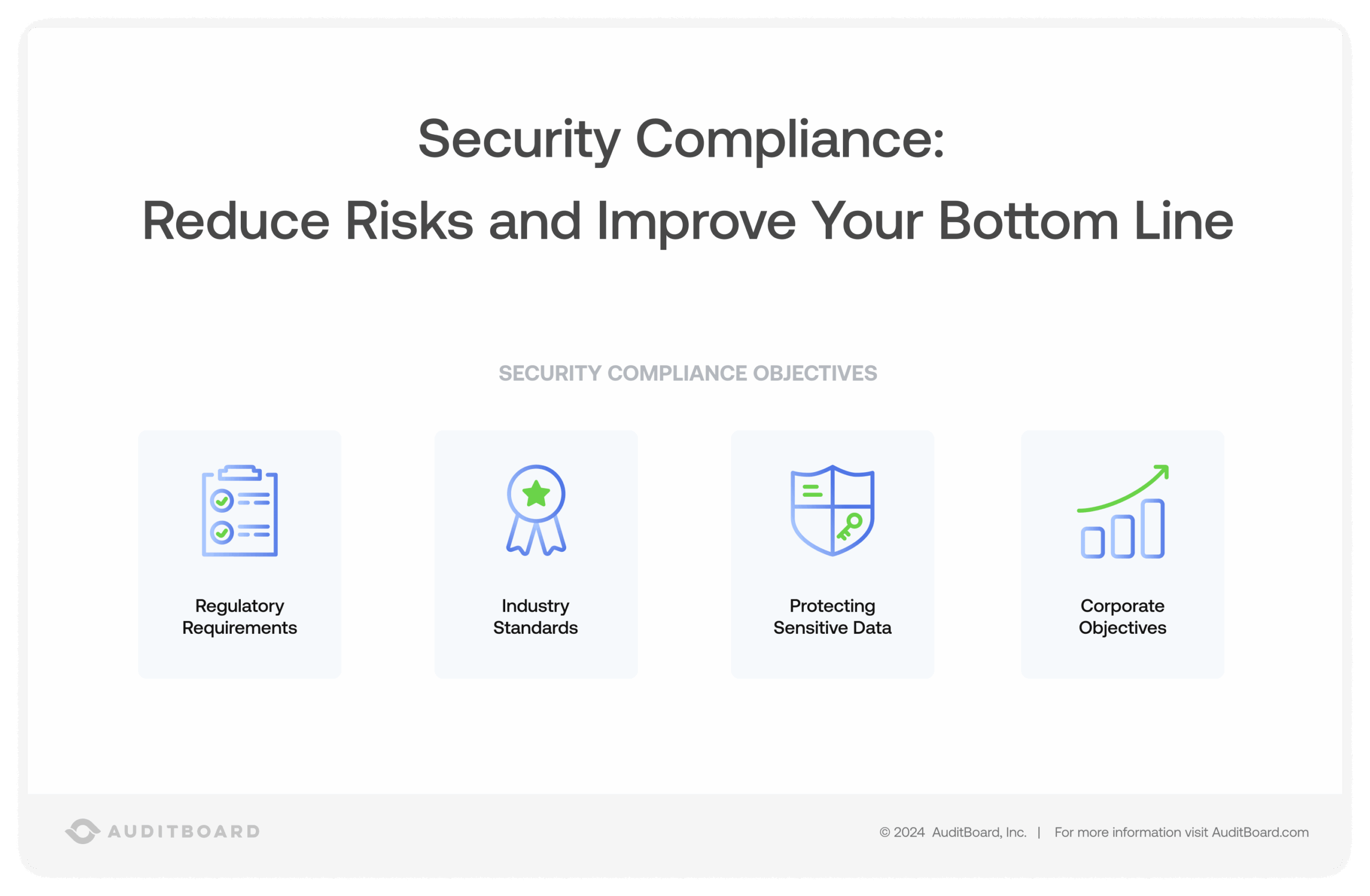
Trading Station shines with customizable layouts, 100+ indicators. Regulation since 2001, NFA ID 0339826.
Compares favorably: Lower spreads than OANDA, more pairs than IBKR.
What Makes OANDA Ideal for Beginners?
OANDA suits beginners with $0 min deposit, API access, and deep historical data. No min means start small, API for custom tools.
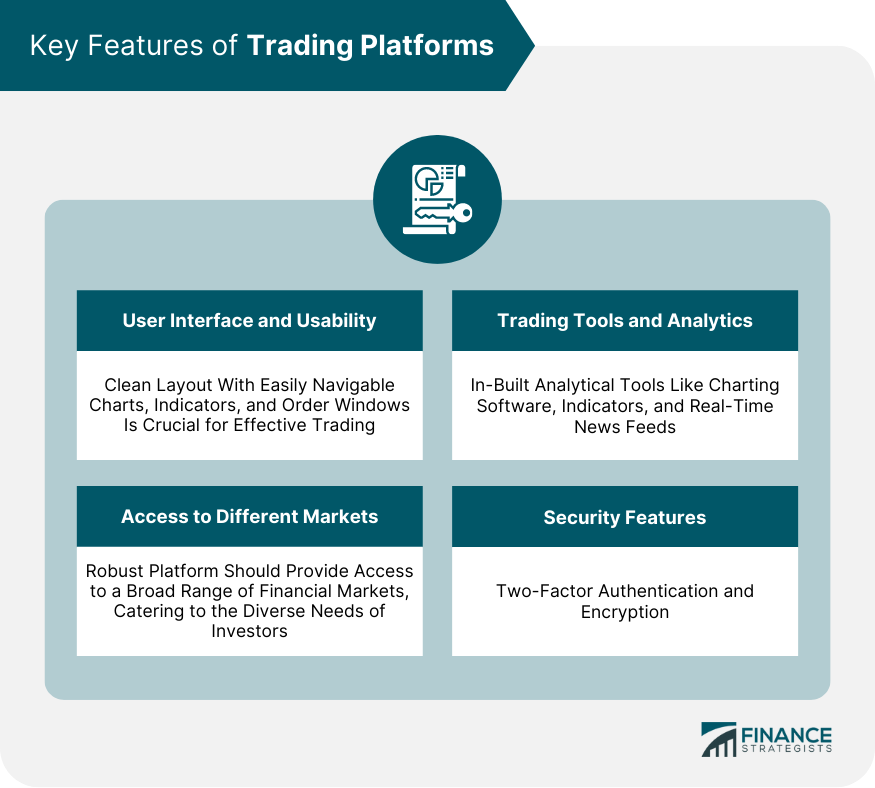
Historical data back 25 years aids practice. fxTrade platform simple, with tutorials.
Tight spreads at 0.6 pips average, demo unlimited. Perfect entry point.
Advanced Comparisons and Unique Aspects of CFTC/NFA Brokers
CFTC/NFA brokers provide unmatched client fund segregation, cutting-edge platforms like IBKR’s TWS, and readiness for 2025 rules on leverage and hybrids, far surpassing unregulated offshore alternatives.
In addition, these brokers introduce proprietary features that cater to advanced traders.
How Do Regulated Brokers Differ from Unregulated Offshore Options?
Regulated brokers under CFTC and NFA oversight prioritize client protection through strict rules that offshore unregulated firms ignore. For example, client funds must be segregated in separate accounts at top-tier banks, offering protection even if the broker fails, similar to SIPC coverage for securities up to $500,000. Offshore brokers often commingle funds, leaving traders exposed to total loss in bankruptcy. Execution standards also diverge: regulated firms follow the FIFO rule, closing oldest trades first and banning hedging, which prevents over-leveraging but limits strategies. Offshore options allow hedging and higher leverage, like 1:500 versus the US cap of 1:50 on majors.
You’ll notice risk profiles shift dramatically. Unregulated brokers promise faster withdrawals and exotic pairs, but complaints flood forums about delays or denials. Regulated ones report to NFA daily, ensuring transparency. Data from CFTC enforcement actions shows over 80% of fraud cases involve offshore entities. Ask yourself, does short-term flexibility outweigh long-term security?
This gap extends to recourse options.
- Offshore traders lack a watchdog like NFA for complaints, relying on voluntary arbitration.
- Regulated clients access free NFA arbitration and CFTC reparations funds up to $25,000.
- Offshore high leverage tempts overtrading, while US caps promote discipline.
What Unique Tools Distinguish Top Brokers Like Interactive Brokers?
Interactive Brokers leads with the Trader Workstation (TWS) platform, a customizable powerhouse for pros. TWS allows drag-and-drop charting with 100+ indicators, algo creation via API, and multi-asset scanning across forex, stocks, and futures. Unlike basic MT4 on offshore sites, TWS integrates real-time news feeds and risk navigators that simulate portfolio stress. IBKR’s BestX execution algorithm routes orders to 100+ venues for optimal fills, reducing slippage by up to 20% per their metrics.
Portfolio margining sets IBKR apart, calculating risk holistically across assets for lower margins, say 5-10% versus 50% elsewhere. Other top brokers like OANDA offer award-winning research tools, such as sentiment analysis from Twitter data, while FOREX.com provides proprietary algos for automated pairs trading.
These innovations boost efficiency. Why settle for generic platforms when customization drives alpha?
- TWS supports 90+ order types, including adaptive and VWAP for large forex positions.
- BestX uses machine learning for best price, proven in IBKR’s 99.5% execution quality reports.
- Portfolio margining frees capital for swing trades, unlike Reg T’s rigid 2% forex margins.
What Rare Regulatory Nuances Affect US Forex Trading in 2025?
In 2025, NFA audits intensify with quarterly reviews of anti-money laundering (AML) controls, flagging even minor discrepancies. Pattern day trader rules apply if forex equity dips below $25,000, limiting accounts to three day trades weekly, a carryover from equities now enforced via NFA tech. Emerging DeFi reporting mandates brokers track client crypto-forex hybrids, like BTC/USD pairs, requiring blockchain transaction logs under new CFTC guidelines.
Stricter leverage previews at 1:30 for minors signal caution. NFA’s 2024 proposals hint at real-time trade surveillance to curb wash sales. Crypto hybrids face hybrid rules, blending forex leverage caps with crypto volatility disclosures.
How will this shape your trades? Compliance burdens favor established brokers.
- NFA audits now include AI-driven pattern recognition for spoofing.
- PDT rules extend to forex prop firms, banning undercapitalized scalping.
- DeFi reports demand KYC for wallet links, curbing anonymous hybrids.
How Do These Brokers Compare for Specific Strategies (Scalping vs. Swing)?
For scalping, OANDA excels with zero restrictions on high-frequency trades, tight spreads from 0.0 pips, and no requotes, ideal for 1-minute charts. IBKR suits swing trading better, with overnight fees at 1.5 basis points, far below OANDA’s 2-3 bps, and advanced charting for weekly holds. FOREX.com balances both via its GX platform, supporting scalping EAs without FIFO conflicts creatively.

Scalpers favor OANDA’s 50 ms execution; swingers pick IBKR for global exposure and low swaps. Data from Myfxbook shows OANDA scalping accounts averaging 15% monthly returns versus IBKR’s 12% for swings.
Which fits your style? Match broker strengths to strategy.
- OANDA scalping thrives on unlimited trades and API speed for bots.
- IBKR swing benefits from low overnight costs and portfolio analytics.
- Both handle news events, but IBKR’s BestX edges volatility spikes.

David Rodriguez
Senior Forex Analyst at ForexEAshop
David Rodriguez has over 8 years of experience in forex trading and market analysis. He specializes in institutional trading strategies and has helped thousands of traders improve their performance through his educational content and trading tools.