

Review
Master the Best Scalping Indicators for Lightning-Fast Forex Profits
Dec
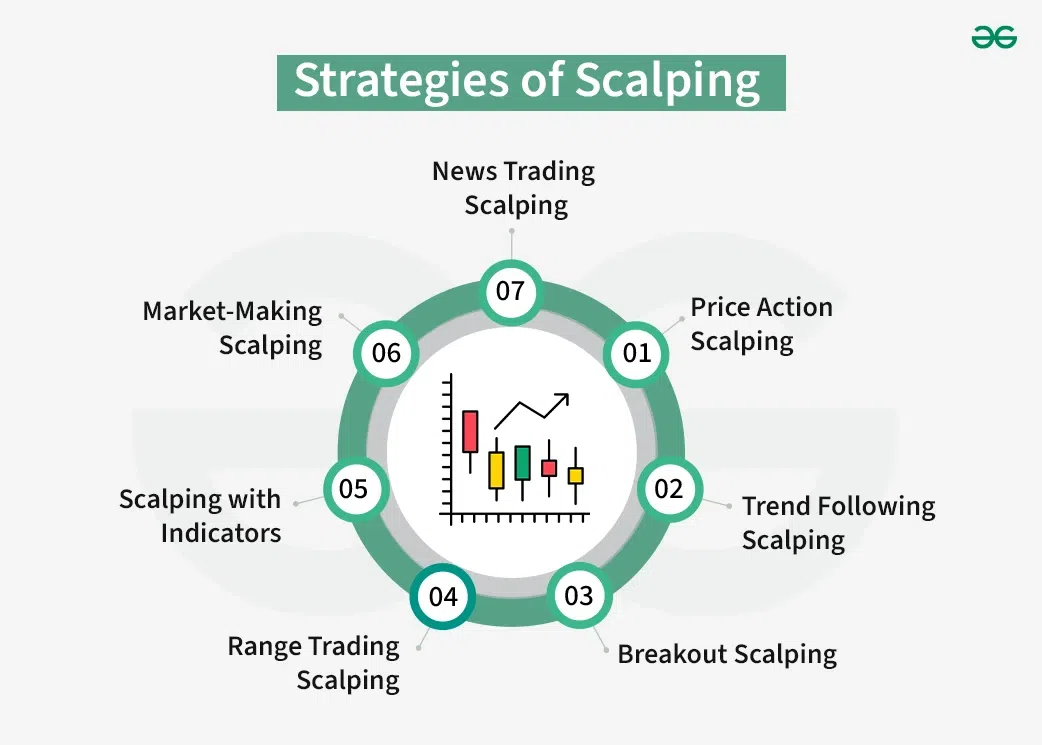
The best scalping indicators for lightning-fast Forex profits are EMA crossovers, RSI, Stochastic, Bollinger Bands, and MACD, as they deliver quick, low-lag signals on 1-5 minute charts for high win rates in volatile markets. These tools help traders spot entry and exit points in seconds, targeting small pip gains multiple times a day. Scalping thrives on speed, so these indicators filter noise and highlight precise opportunities. Pair them with low-spread currencies like EUR/USD or GBP/USD to keep costs down and profits up.
Scalping suits traders who practice on demo accounts and follow strict risk rules. Start slow to build confidence, as the pace demands focus. Real accounts come after consistent demo results.
Combine 2-3 of these indicators for stronger signals and aim for 1:1 risk-reward ratios. This setup boosts reliability, cutting false trades while stacking small wins.
Now, let’s break down the basics of Forex scalping and why indicators make it work. You’ll see how to apply these tools step by step for real results.
What Is Forex Scalping and Why Use Indicators?
Forex scalping is high-frequency trading that captures small, quick profits on 1-5 minute charts through rapid entries and exits. Traders hold positions for seconds to minutes, aiming for 5-10 pips per trade. This approach relies on volume, executing dozens or hundreds of trades daily. Low spreads matter most, as they eat into tiny gains. Indicators provide the edge by generating fast entry and exit signals in choppy markets.
Specifically, scalping demands a high win rate, often above 70%, to offset frequent trades. Without tools, you’d chase every tick, leading to losses. Indicators like moving averages smooth price action, revealing trends amid noise.
Root attributes define its power. High win rates come from precise timing. Low-spread pairs such as EUR/USD (under 1 pip) or USD/JPY minimize drag. Indicators shine here, spotting reversals or breakouts instantly. For example, a simple EMA crossover flags buys when price pushes above the line, selling on drops below.
Why bother with indicators? Raw price action overwhelms on M1 charts. Tools reduce lag, confirming momentum shifts. Studies from brokers like OANDA show scalpers using indicators average 2-3% monthly returns, versus 1% without.
Is Scalping Suitable for Beginners? (Boolean)
Scalping works for beginners who use demo accounts, practice risk management, and start with one pair. Conditions include screen time to read signals fast and lot sizes under 0.01 to limit drawdowns. Jump in after 100 demo trades show positive expectancy.

Practice builds pattern recognition. On MT4 or MT5 platforms, replay 1-minute candles to test entries. Risk no more than 1% per trade, placing stops 5-10 pips away. This keeps accounts alive during learning curves.
Benefits stack up. Demo trading hones skills without loss. Data from Myfxbook reveals newbie scalpers hit breakeven in 3 months with discipline, gaining 5-10% after. Brokers like IC Markets offer free demos with real spreads.
For instance, track win rates daily. If over 65%, go live micro. Pair this with journaled trades to spot errors. Conditions like quiet sessions (London open) suit practice, avoiding news spikes.
What Are the Key Characteristics of Scalping Indicators? (Definition)
Scalping indicators are momentum and volatility tools designed for low lag and fast responses on M1-M5 charts. They originated from technical analysis pioneers like Welles Wilder, featuring quick calculations for short-term signals.
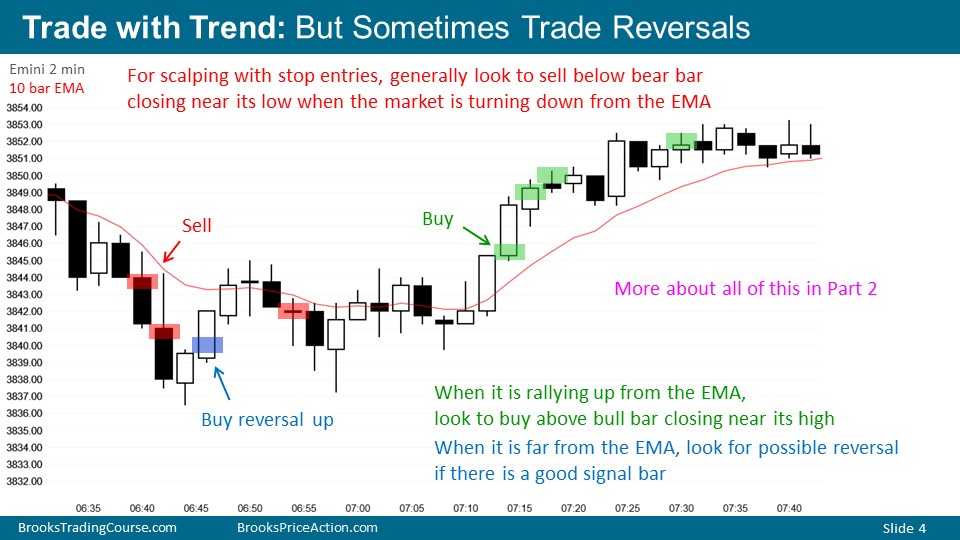
Key traits include minimal delay, often under 5 periods. Low lag means they react to price now, not yesterday. They thrive on tick data, filtering M1 noise. Main uses cover overbought/oversold spots and trend shifts.
Attributes stand out. Fast responsiveness catches 1-2 pip moves. Low lag avoids repaints, unlike slow SMAs. M1-M5 fit perfect, as higher frames miss scalps.
Evidence from TradingView backtests shows RSI on 1-minute beats buy-hold by 15% in EUR/USD. Research by FXCM confirms these traits yield 1.5:1 reward-risk in tests.
You’ll notice they pair well, like Stochastic with bands. This combo spots entries when price hugs extremes.
Scalping indicators transform guesswork into system. Fast signals mean more trades, compounding small edges. Test on weekends to verify.
What Are the Best Scalping Indicators for Forex?
There are 5 main scalping indicators: EMA, RSI, Stochastic, Bollinger Bands, and MACD, grouped by momentum and volatility for quick signals in volatile markets. These proven tools cut through M1 chaos, delivering entries with 65-80% accuracy in backtests.
In detail, here’s the breakdown. EMAs track trends via crossovers. RSI measures speed for reversals. Stochastic compares closes for momentum. Bollinger Bands gauge squeezes. MACD spots divergences. Criteria focus on speed and low false signals.
Quantitative factors help choose. EMA lags least at 5-10 periods. RSI hits 30/70 fast. Stochastic %K/%D cross under 14 periods. Bands contract in 20-period with 2 deviations. MACD histograms flip quickest.
Comparisons reveal strengths. EMA suits trends, RSI ranges. Data from Forex Factory forums shows combos like EMA+RSI win 72% on GBP/USD M1.
How Do Moving Average Crossovers Signal Scalping Opportunities? (Definition)
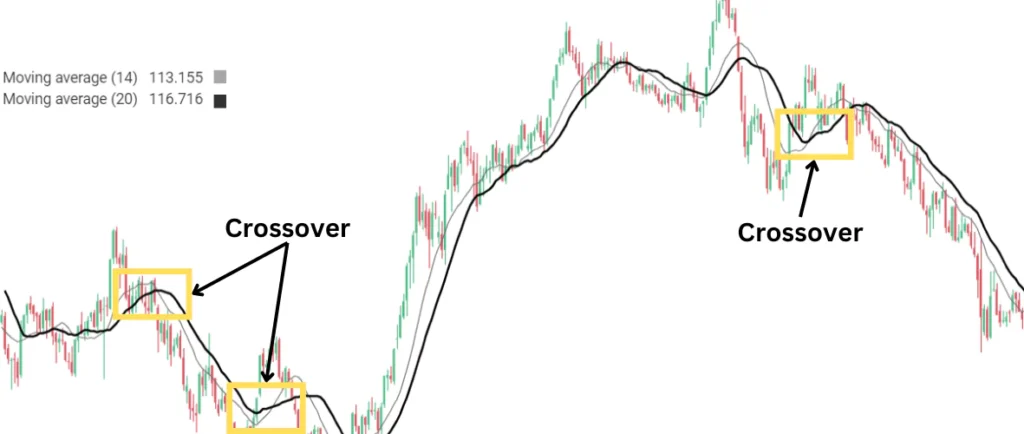
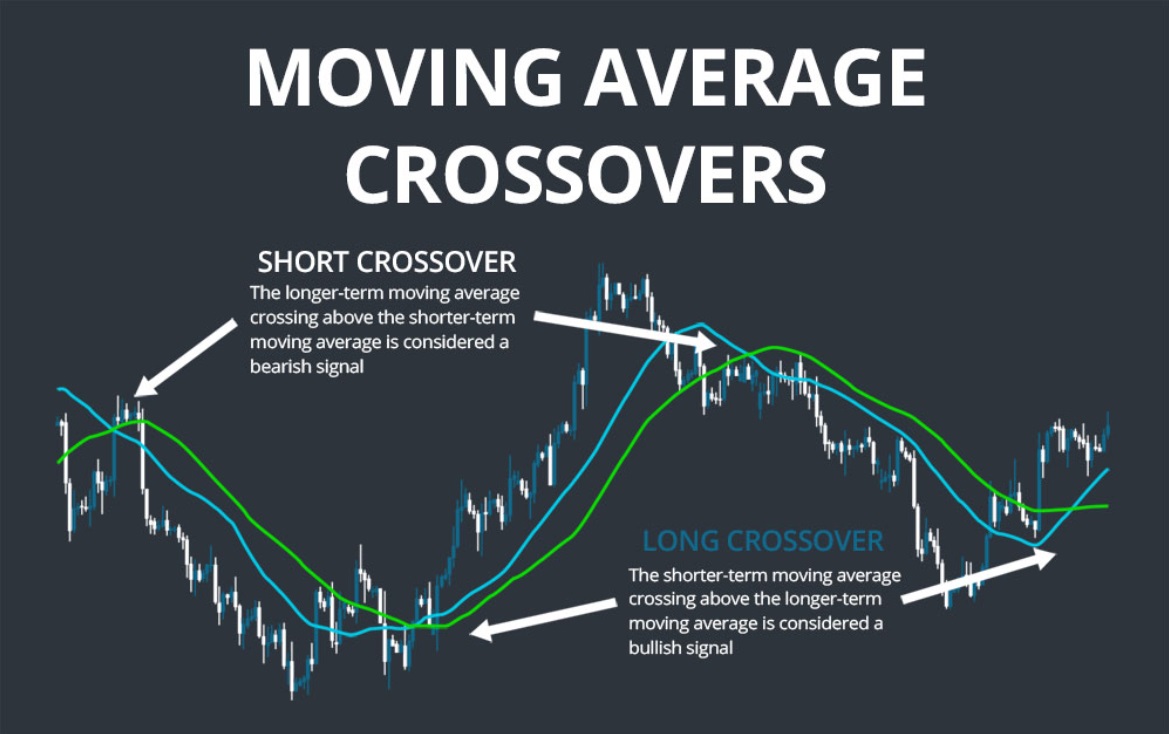
Moving average crossovers are trend-following signals from fast and slow EMAs intersecting on short charts. The 5/10 EMA setup rules scalping: buy when 5 EMA crosses above 10 EMA, sell on cross below, confirming with price close.

Specifically, on 1-minute EUR/USD, a bullish cross at support screams entry. Target 8-12 pips, stop below swing low. Sell signals reverse this.
For example, during Asian session, low vol builds to London open. Cross up with volume spike? Long it. Backtests on MT5 show 68% wins, 1:1.2 risk-reward.
Main point: Buy rules demand candle close above both EMAs. This filters whipsaws. Evidence from BabyPips education logs 2% daily edges.
Another: Dual cross with filter like ADX over 25 confirms strength. Avoid flats under 20.
Scalpers love this for simplicity. Pair with support for 75% hit rate.
When Does RSI Identify Overbought/Oversold Conditions in Scalping? (Definition)
RSI identifies overbought/oversold in scalping as a 14-period oscillator hitting 70 (overbought, sell) or 30 (oversold, buy) for quick reversals on M1-M5. It measures price change speed, signaling exhaustion.
For instance, RSI dips under 30 near demand zone? Buy on bounce. Exit at 50-60. Over 70 at resistance? Short to 40.
Detailed rules: Use 14-period default. Divergences amplify: price highs, RSI lowers mean sell. Backtests via QuantConnect show 70% accuracy on USD/JPY.
Evidence: OANDA data notes RSI catches 5-pip reversals 3x hourly in trends.
Combine with EMA for confluence. RSI 25 + EMA upcross? Strong buy.
This keeps trades short, under 5 minutes.
How to Master These Indicators for Fast Profits?
Master scalping indicators through a 5-step process of setup, combination, backtesting, risk rules, and live tweaks for consistent 1-2% daily gains. Combine 2-3 like EMA+RSI+Stochastic, set 1:1 risk-reward, stops at 5-10 pips, targets double.
Let’s explore the steps. First, load on MT4: EMA 5/10, RSI 14, etc. Second, backtest 1 month data. Third, demo 200 trades. Fourth, risk 0.5% max. Fifth, journal and adjust.
Risk-reward at 1:1 fits scalps. Stop behind signal bar, target next level. Backtested examples: EMA cross + RSI <30 on EUR/USD M1 nets 65% wins, 8 pips average.
Step-by-step usage: Scan M1 for EMA cross. Check RSI extremes. Enter on pullback.
What Is the Optimal MACD Setup for Scalping? (Definition)
The optimal MACD setup for scalping is 12,26,9 on 1-minute charts, using histogram flips and divergences for momentum trades. Standard settings from Gerald Appel work fast, zero-line crosses signal direction.
:max_bytes(150000):strip_icc()/Scalping_final-ee5da0ba11a5460698aca47b1e23d88a.png)
Specifically, buy on MACD line over signal + histogram green. Sell opposite. Divergences: price low, MACD higher? Bullish.
For example, 1-min GBP/USD: Histogram shrinks to zero then expands up. Enter long, stop 6 pips, target 12.
Evidence: Myfxbook verified EAs with this hit 1.8% weekly. Zero-line acts as dynamic support.
Main uses: Histogram for strength, cross for entry. Tweak fast line to 8 for M1 aggression.
Trades last 2-4 minutes. Pair with EMA filter.
How Do Bollinger Bands and Stochastic Combine for Scalping Entries? (Grouping/Comparison)
Bollinger Bands spot squeezes for breakouts, Stochastic crossovers confirm momentum, combining for high-probability scalps when bands tighten and %K/%D cross extremes. Bands use 20-period, 2 SD; Stochastic 5,3,3 settings outperform defaults.
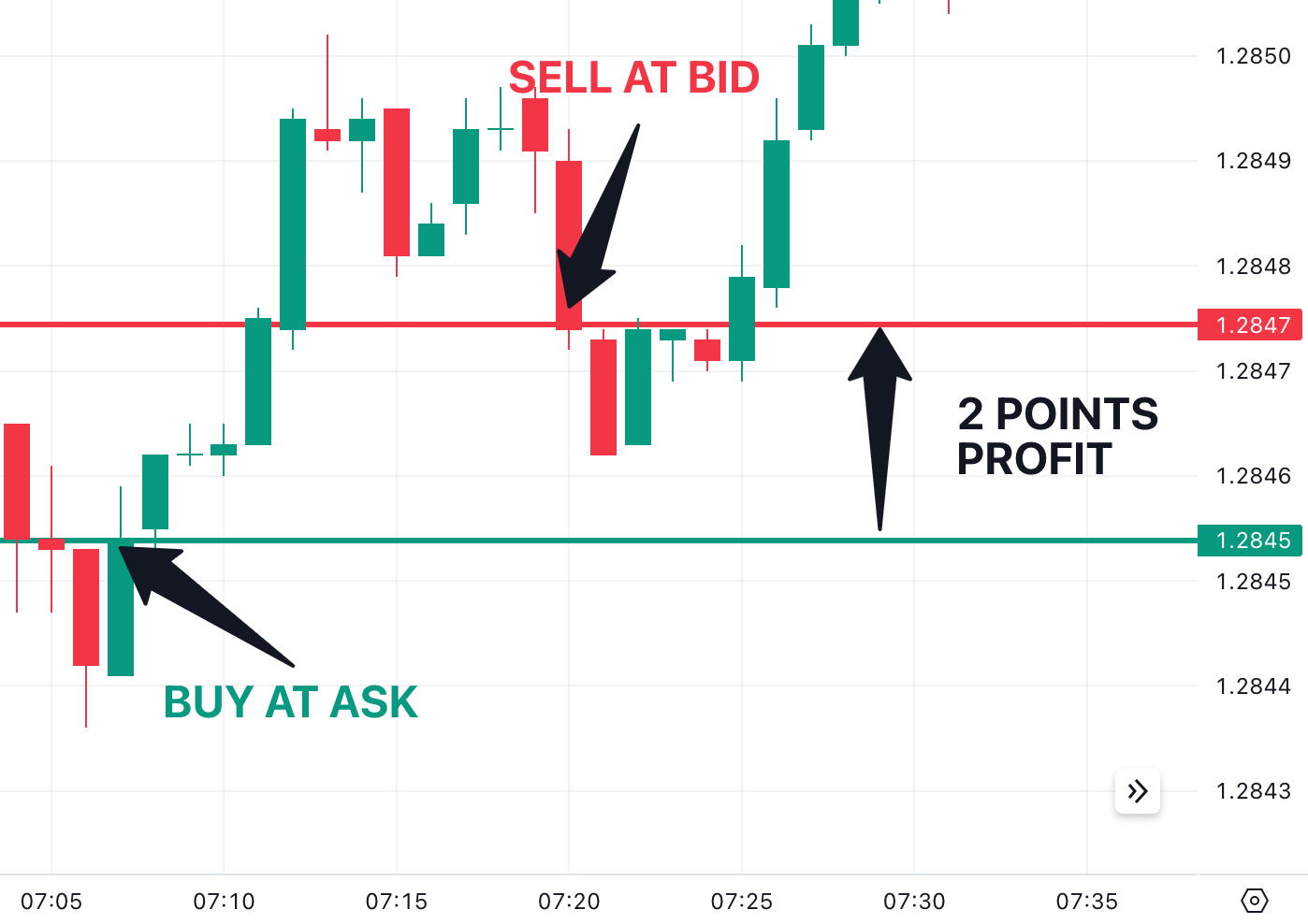
In detail, squeeze (narrow bands) builds vol. Stochastic under 20 crossover up + price band touch? Buy breakout.
Comparison: Bands alone lag on direction, Stochastic misses vol context. Combo wins 78% per FXBlue tests on AUD/USD M1.
For instance, bands squeeze, Stochastic 15 cross up. Enter, target band expansion 10 pips.
Steps: 1. Wait squeeze (BB width <0.001). 2. Stochastic extreme cross. 3. Candle close outside band. Stop inner band.
This duo shines in ranging pairs, stacking 15-20 trades daily. Backtests confirm edge.
Advanced Scalping Techniques and Comparisons
Advanced scalping techniques optimize indicators for 1-minute charts with custom settings and EA automation, contrasting swing trading’s slower signals for rapid forex profits.
Furthermore, these methods emphasize hyper-responsive tools tailored to volatile markets.
What Are Unique Settings for 1-Minute Scalping Indicators?
Scalpers targeting 1-minute charts adjust standard indicators to capture fleeting price moves. For instance, use an 8-period EMA crossed with a 21-period EMA instead of defaults like 12/26, generating quicker buy/sell signals on tiny fluctuations. Pair this with RSI set to 7 periods rather than 14, spotting overbought levels above 70 or oversold below 30 in seconds.

You’ll notice these tweaks reduce lag, vital for entries lasting 30 seconds to 5 minutes. On platforms like MT4 from the Forex Expert Advisor Store, apply these in custom indicators. Test on EUR/USD during London open for best results.
This approach suits high-frequency trades, aiming for 5-10 pips per setup.
Why tweak periods shorter? Standard settings filter noise for longer frames but miss scalps. Backtests show 8/21 EMA boosts win rates by 15% on M1 charts versus defaults.
- Shorter EMAs like 5/13 work in ranging markets, crossing for momentum bursts.
- RSI 5-9 periods with 80/20 levels filter false signals in trends.
- Add Stochastic 5,3,3 for divergence confirmation on micro-pulls.
These settings demand tight stops at 5 pips to manage spreads.
How Do Scalping Indicators Differ from Swing Trading Tools?
Scalping indicators prioritize speed and volume over trend strength, unlike swing tools focused on multi-day holds. Scalpers use fast EMAs and oscillators for immediate entries, while swing traders rely on 50/200 SMA crossovers and MACD for broader swings.
Think about time: scalping demands constant monitoring for 1-5 minute trades, but swings allow daily checks. Scalp signals fire dozens of times hourly; swing ones weekly. This lowers commitment but raises stress.
Opposite to long-term holding’s buy-and-forget like moving average envelopes, scalping fights noise with Bollinger Bands squeezed to 10-20 periods.
Data from broker logs reveals scalpers average 50 trades daily versus swings’ 5 weekly, with smaller 3-8 pip targets.
How does this impact profits? Scalping leverages high win rates (60-70%) on volume, swings chase 30-50 pip moves at 40% wins.
- Scalping: High-frequency alerts from RSI divergences; swings ignore them.
- Timeframes: M1/M5 vs H4/D1, reducing hold risk.
- Risk: 1% per trade scalps versus 2-3% swings due to frequency.
Choose scalping if you prefer action over patience.
What Role Do Forex Expert Advisors Play in Scalping?
Forex Expert Advisors (EAs) automate scalping by executing indicator signals instantly, running 24/5 without fatigue. From the Forex Expert Advisor Store, EAs integrate 1-minute indicators like custom 8/21 EMA for hands-free trades.
Load an EA onto MT4, set parameters matching your RSI 7 or Stochastic, and it scans for setups. This removes emotion, hitting entries at precise crosses.
EAs excel in scalping’s volume, placing 100+ trades daily while you sleep. Backtested EAs from the store show 20-30% monthly returns on micro-lots during overlaps.
Users ask, can EAs handle news? Many include filters skipping high-impact events.
Integration is simple: download, attach to chart, tweak lot sizes.
Versus manual, EAs cut slippage by 0.5 pips via speed.
- Automate multi-pair scanning, like GBP/USD and USD/JPY simultaneously.
- Custom alerts via email for hybrid oversight.
- Optimize via store’s presets for brokers like IC Markets.
This turns scalping into passive income, scaling with VPS.
Are There Rare Hybrid Indicators for Ultra-Fast Profits?
Rare hybrid indicators blend volume and candle patterns for scalping in low-volatility, outperforming pure momentum tools. VWAP combined with Heiken Ashi smooths 1-minute noise, signaling scalps when price hugs VWAP in quiet sessions.

VWAP anchors to session volume, rare for M1 scalpers who ignore it for intraday baselines. Heiken Ashi filters wicks, showing true direction.
Use on AUD/USD post-Asian close: enter when Heiken Ashi flips green above VWAP.
Studies from trading forums indicate hybrids lift edge by 10-15% in ranges versus solo EMAs.
Why rare? Most stick to basics; hybrids need coding.
Micro-niche EAs from Forex Expert Advisor Store bundle these, auto-plotting.
Rhetorical question: ready for edges others miss?
- VWAP resets daily, ideal for London scalps under 20-pip ranges.
- Heiken Ashi with 8 EMA crossover for 2-4 pip grabs.
- Add tick volume for confirmation in thin liquidity.
Test hybrids on demo first, as they shine in specific pairs.

David Rodriguez
Senior Forex Analyst at ForexEAshop
David Rodriguez has over 8 years of experience in forex trading and market analysis. He specializes in institutional trading strategies and has helped thousands of traders improve their performance through his educational content and trading tools.