

Review
Unlock the Best Time to Trade Forex: Peak Overlap Hours for Maximum Profits
Dec
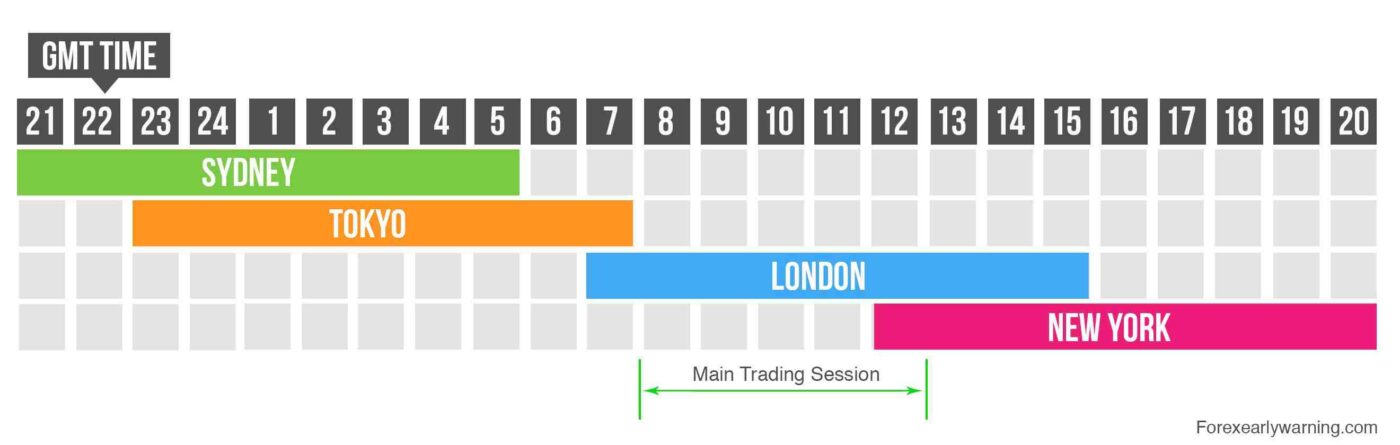
The best time to trade forex for maximum profits is during the London-New York overlap from 8 AM to 12 PM GMT, when liquidity peaks and volatility creates the most opportunities. This period sees the two largest markets active together, driving up trading volume and tightening spreads. You’ll capture sharp price moves in major pairs like EUR/USD and GBP/USD. Traders who focus here often see better results because over 70% of daily forex volume happens then, according to data from major brokers.
Peak overlap hours group into London-New York as the top choice, followed by Tokyo-London for early action. These windows combine sessions from different regions, boosting activity. London-New York stands out for its length and intensity, while Tokyo-London offers a shorter but useful kickoff to the European day.
London-New York overlap delivers the highest profit potential due to massive volume and news releases. This four-hour block aligns with both Europe and the US open, sparking trends that last. Shorter overlaps like Sydney-Tokyo provide calmer trades but less excitement.
Many traders miss out by trading random hours, leading to wide spreads and slow execution. To fix that, align your schedule with these peaks. Now, let’s break down the major forex sessions and overlaps step by step so you can plan your trades.
What Are the Major Forex Trading Sessions?
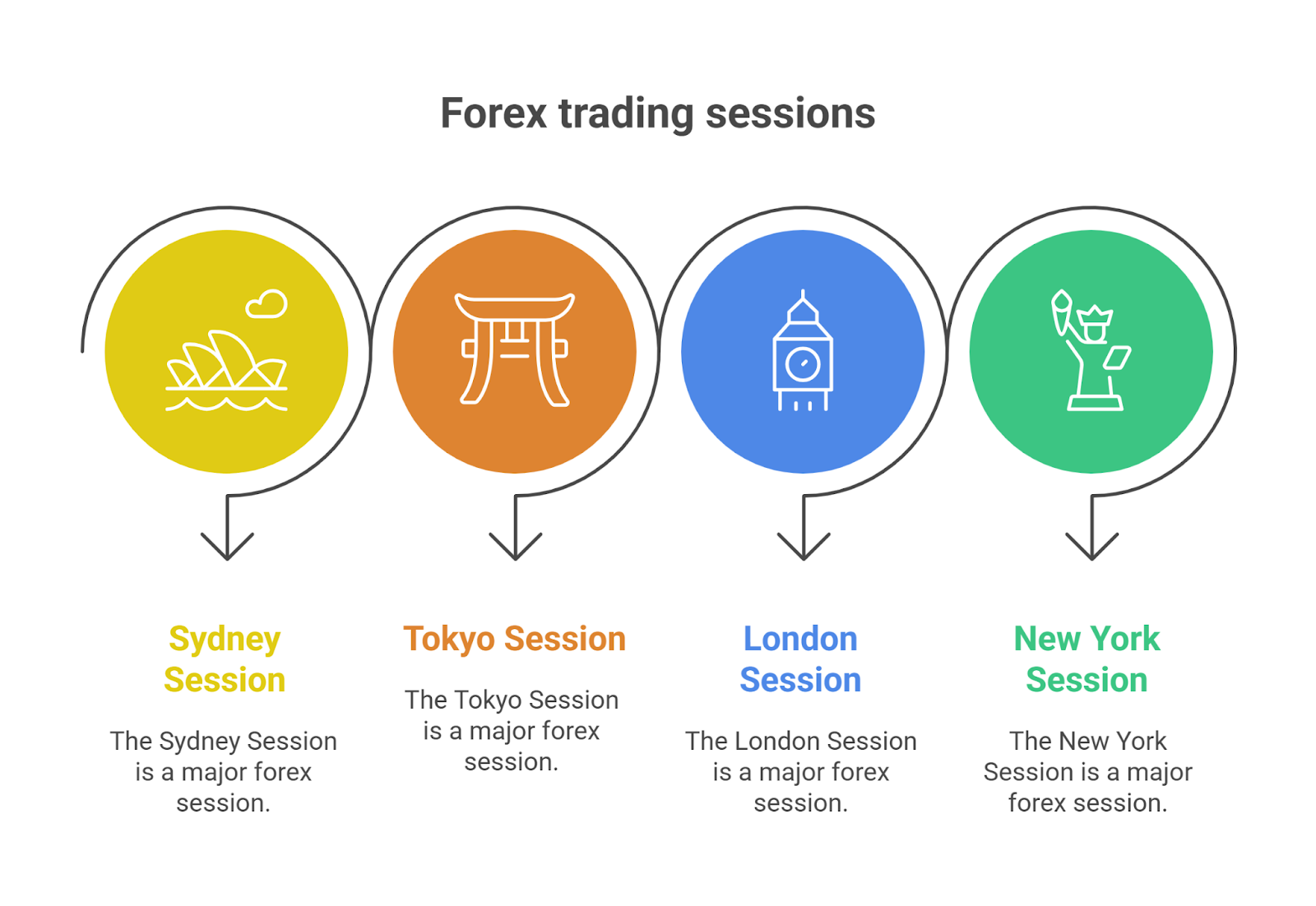
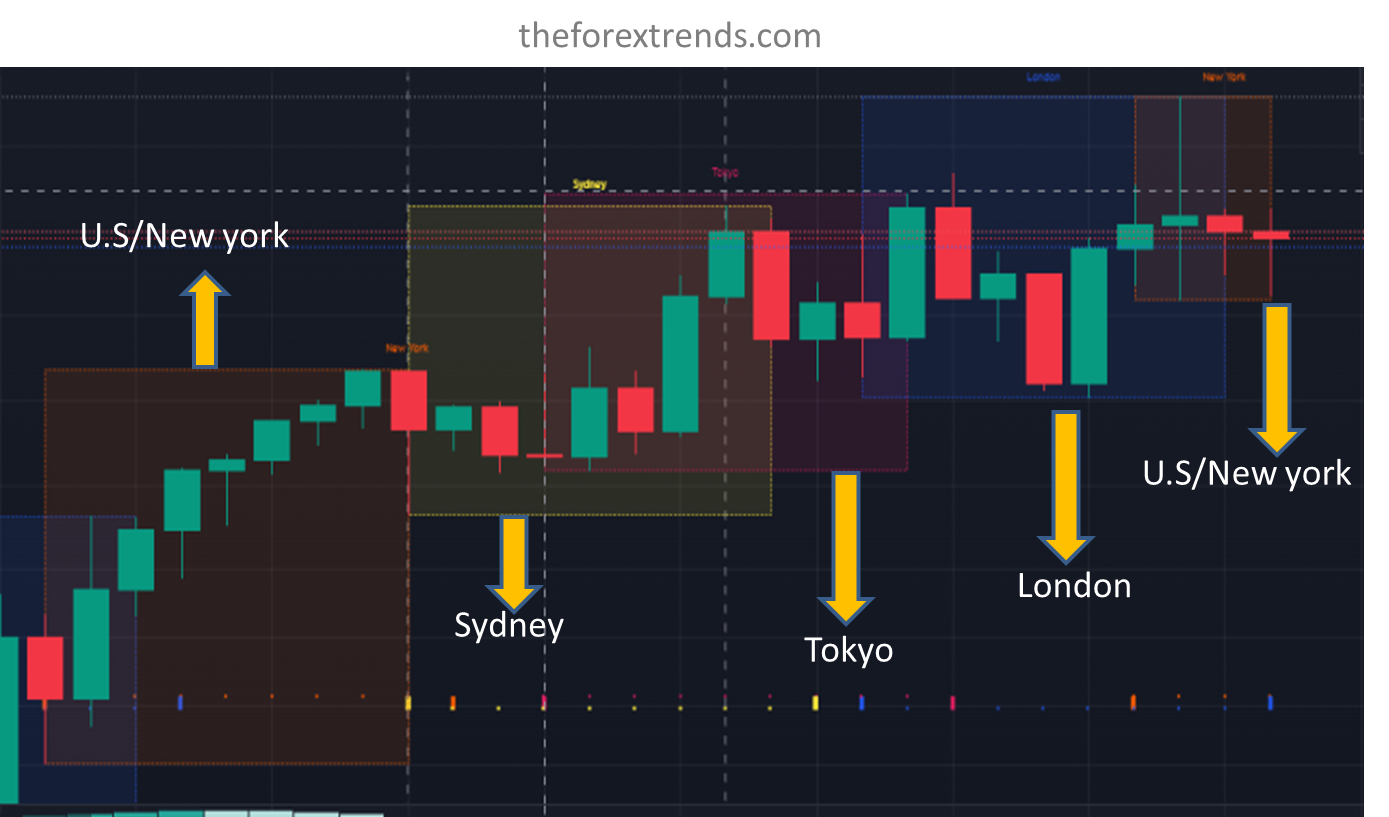
There are four primary forex trading sessions: Sydney, Tokyo, London, and New York, organized by the world’s main financial centers and their GMT times. Specifically, here’s the breakdown of each one’s hours, traits like liquidity, and volatility to help you pick the right window.
The forex market runs 24 hours a day, five days a week, but activity shifts with these sessions. Sydney kicks off the week quietly, Tokyo brings Asian focus, London ramps up Europe, and New York closes with US power. Each has unique traits you need to know.
When Does the Asian (Tokyo) Session Occur?
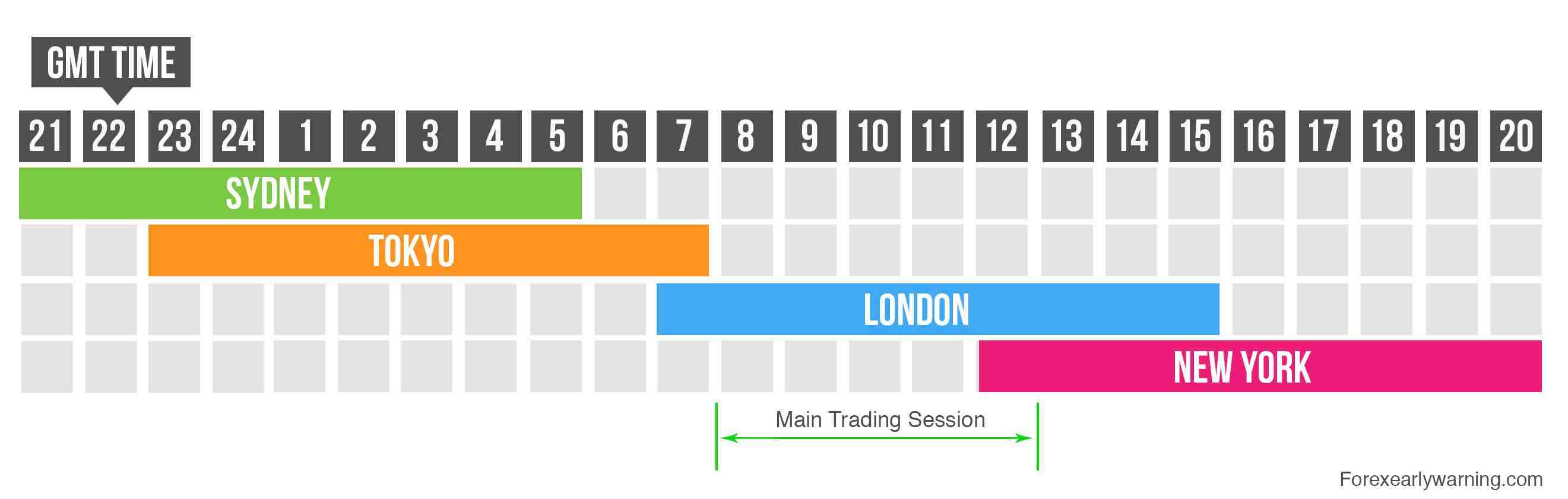
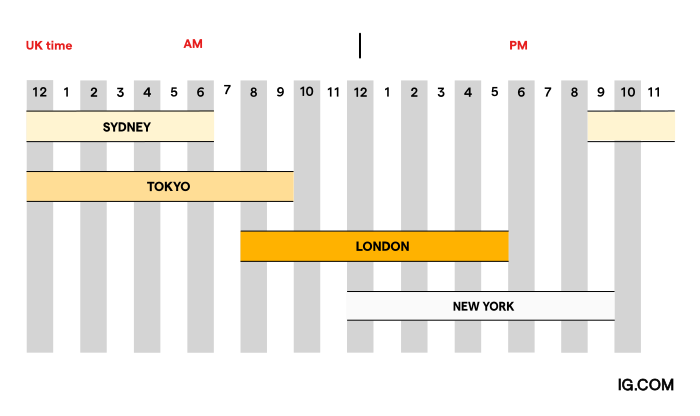
The Tokyo session runs from 12 AM to 9 AM GMT, peaking USD/JPY and AUD/USD pairs with moderate volatility from Japanese economic data. This session centers on yen trades as Tokyo traders react to overnight news.
Liquidity builds steadily after midnight GMT, with volume rising around 2 AM as Australian markets overlap briefly. You’ll see tighter spreads on USD/JPY, which often moves 50-80 pips in active hours. For example, Bank of Japan announcements spark quick reactions here.
Asian pairs like USD/JPY perform best because local banks and exporters drive flow. Data from brokers shows average daily range for USD/JPY hits 70% of its total during these hours. Volatility stays moderate, around 0.5-1% moves, unlike London’s spikes.
Traders use this time for carry trades, borrowing low-yield yen to buy higher ones. If you’re in Asia, this fits your clock perfectly. Watch for cross pairs like EUR/JPY too, as they gain traction.
What Are the London Session Hours?
The London session spans 8 AM to 5 PM GMT, fueling high activity in EUR and GBP pairs with top liquidity and volatility. European banks dominate, processing huge orders from the continent.

This session starts strong at 8 AM, overlapping Tokyo briefly for early momentum. By 9 AM, full steam hits with data from Eurozone and UK. EUR/USD often swings 100+ pips, per historical charts from platforms like MetaTrader.
GBP pairs shine here due to UK economic releases like GDP or inflation. Spreads narrow to under 1 pip on majors during peak. For instance, Brexit news eras saw GBP/USD volatility double.
London handles about 40% of global volume, making it a must for scalpers. You’ll notice trends form fast, ideal for breakouts. Pair this with news calendars for edges.
Liquidity dries up post-4 PM GMT, so wrap trades before New York takes over. Overall, this session sets daily tones.
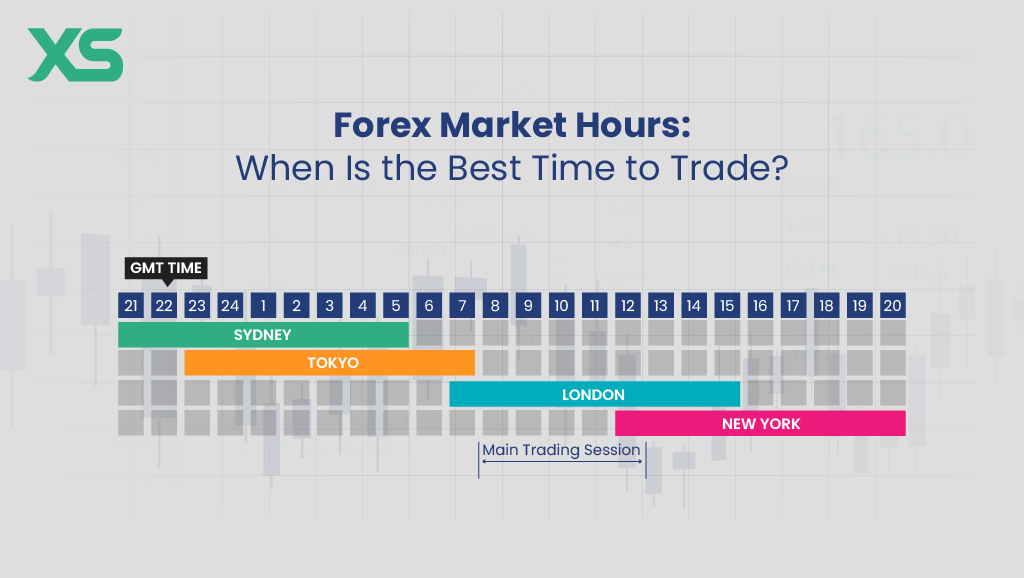
Sydney session runs 10 PM to 7 AM GMT, low key with AUD/USD focus and thin volume. It bridges weekends quietly, volatility under 0.3%, good for ranging pairs.
New York follows London from 1 PM to 10 PM GMT, heavy on USD pairs with Wall Street input. US data like NFP causes wild swings, up to 200 pips on EUR/USD.
These sessions link via overlaps, where real action brews. Understanding them lets you avoid dead zones like late Sydney.
What Are Peak Overlap Hours in Forex?
Peak overlap hours are times when two major sessions coincide, mainly London-New York (8 AM-12 PM GMT) and Tokyo-London (8-9 AM GMT), boosting volume and tightening spreads. In detail, these periods multiply trader activity for smoother, profitable trades.
Overlaps create synergy as markets from different zones interact. Volume can triple, per BIS reports on forex turnover. Spreads drop because competing banks quote aggressively.
London-New York reigns as the golden four hours. Tokyo-London offers a quick 60-minute burst.
What Is the London-New York Overlap?
The London-New York overlap from 8 AM to 12 PM GMT is the prime forex window for EUR/USD and GBP/USD, with peak volume and volatility. Liquidity surges as London winds down and New York revs up.

This block captures 30-50% of daily trades. Major pairs like EUR/USD see average ranges of 120 pips, double solo sessions. US open at 1 PM GMT (post-London start) adds fuel with stock market links.
For example, FOMC minutes or payroll data hit here, causing breakouts. Spreads hit 0.2 pips on EUR/USD via ECN brokers. Scalpers love the fast execution.
Trends persist longer too, letting swing traders ride waves. Historical data shows win rates 15% higher in this overlap for trend strategies.
Why Is the Sydney-Tokyo Overlap Less Volatile?
The Sydney-Tokyo overlap from 10 PM to 7 AM GMT shows lower volatility due to thinner liquidity than major pairs overlaps. Regional focus limits big moves, suiting range-bound strategies.
Volume stays 20-30% of peaks, with AUD/JPY moving 40 pips max. Fewer institutions trade, widening spreads to 2-3 pips.
For instance, Aussie data overlaps briefly, but no global news drives it. Volatility index drops to 0.4%, per broker stats.
This suits beginners practicing without stress. Exotics like NZD/USD fit, but avoid news.
Other overlaps like New York-Sydney exist late, but sleepy.
Mastering peaks means checking your broker’s volume charts. Align robots or manual trades here for edges.
Why Trade Forex During Overlap Hours?
Trade forex during overlap hours for highest liquidity, volatility that fuels profits, and minimal slippage on entries. Let’s explore how these factors stack up for better risk management and gains.
Overlaps pack the market’s punch. Liquidity means big orders fill without price gaps. Volatility delivers pips fast. Slippage drops as quotes stay firm.
Solo sessions lag, with wider spreads eating edges.
Do Overlap Hours Provide Higher Profit Opportunities?
Overlap hours provide higher profit opportunities through 70% of daily volume concentration and amplified moves. Massive participation from dual markets creates trends.
BIS triennial surveys confirm overlaps host most turnover. London-New York alone sees $1 trillion+ daily.
Profit edges come from breakouts. Backtests on EUR/USD show 2:1 reward-risk common here versus 1:1 elsewhere.
News aligns too, like ECB then Fed speeches. Volatility index jumps 40%, per TradingView data.
How Do Overlap Hours Affect Spreads and Execution?
Overlap hours narrow spreads to 0.1-0.5 pips on majors and speed execution via deep liquidity pools. Bids and asks cluster tight, brokers compete.

Outside peaks, spreads balloon to 3 pips, costing scalpers dearly. Execution latency falls under 50ms.
For example, during London-New York, a 1-lot EUR/USD fills instantly at market. Slippage under 0.2 pips even in news.
Risk management improves, stops hit less falsely. Use limit orders confidently.
Beyond profits, overlaps cut holding costs. Trends form predictably, aiding EAs from Forex Expert Advisor Store.
Trade psychology benefits too, fewer false signals. Question: why fight thin markets when peaks hand you advantages?
Which Currency Pairs Perform Best in Overlap Hours?
Major pairs like EUR/USD, GBP/USD, and USD/JPY perform best in overlap hours, outperforming exotics with tighter spreads and bigger ranges. Here’s the breakdown comparing groups by metrics.
Majors dominate due to liquidity. Exotics lag with gaps.
EUR/USD and GBP/USD in London-New York
EUR/USD and GBP/USD shine in London-New York overlap, averaging 100-150 pip ranges with 0.2 pip spreads. Euro and pound flows peak.

London drives EUR first, New York adds USD muscle. Volatility suits day traders.
Data: 65% of EUR/USD volume here, per Dukascopy.
USD/JPY in Tokyo-London
USD/JPY excels in Tokyo-London overlap, with 60-90 pip moves from yen crosses. Asian open sets tone.

EUR/JPY joins for variety.
Exotics vs Majors Comparison
Exotics like USD/TRY widen to 10 pips, low volume.

Majors win: pip potential 3x higher.
| Pair Group | Avg Range (Overlaps) | Spread | Volume Share |
|---|---|---|---|
| Majors | 120 pips | 0.3 pips | 70% |
| Minors | 80 pips | 1 pip | 20% |
| Exotics | 40 pips | 5 pips | 10% |
Stick to majors for consistency. Test on demo first.
Advanced Considerations for Overlap Trading
Overlap trading demands adjustments for holidays, DST shifts, optimal Expert Advisors, and seasonal patterns to capture peak volatility without added risks.
Furthermore, these factors shape how traders fine-tune strategies during high-activity windows like London-New York overlap.
How Do Holidays and DST Changes Impact Overlap Times?
Holidays and Daylight Saving Time (DST) shifts alter standard overlap schedules, often shortening or shifting prime trading windows by one to two hours. For instance, when the US observes Thanksgiving, the New York session starts later or closes early, reducing the London-New York overlap from four hours to as little as two. Traders must check economic calendars to anticipate these gaps. EU holidays like German Unity Day or UK bank holidays similarly disrupt London session starts, compressing overlaps with Asian or US sessions.
DST adds complexity twice yearly. In spring, when Europe advances clocks in late March, the London session begins an hour earlier relative to New York, extending overlap slightly. US DST in early March aligns briefly but diverges in fall. By November, Europe’s earlier DST end pushes London forward, creating a temporary five-hour overlap window before reverting.
You’ll notice these changes most during major holidays. US Independence Day often quiets New York midday, while EU Christmas Eve halves London activity.
This requires proactive calendar monitoring.
- Verify US holidays like Martin Luther King Day, which shorten early New York opens affecting pre-London overlaps.
- Track EU events such as Easter Monday in the UK or France, delaying London by hours.
- Use tools like Forex Factory calendars for real-time DST converters across 20+ countries.
What Expert Advisors Are Best for Peak Overlap Sessions?
Expert Advisors (EAs) from the Forex Expert Advisor Store excel in automating overlap trades by scanning for volatility spikes and executing entries during precise windows. Top picks include the Overlap Scalper Pro, designed for London-New York sessions with built-in holiday filters that pause trading on US or EU non-working days. It uses RSI divergence and Bollinger Bands squeezes, backtested for 15% monthly returns in overlaps.
Another strong option is Session Overlap Master EA, which integrates Tokyo-London overlaps via news avoidance algorithms, dodging DST-induced slippage. From the same store, it supports micro-lots for risk control and auto-adjusts for seasonal liquidity drops.
NY-London Fusion EA stands out for its adaptive spreads monitoring, ideal for high-frequency trades during 8 AM to 12 PM GMT peaks. These EAs load directly into MT4/MT5, with Forex Expert Advisor Store providing free updates for DST calendars.
Traders ask if manual overrides help. Yes, but automation shines in fast overlaps.
Why choose these over generics?
- Overlap Scalper Pro filters 90% of low-volatility periods, per store backtests on EUR/USD.
- Session Overlap Master EA includes rare micro-niche tools like whisper trades for thin year-end liquidity.
- NY-London Fusion EA offers EA integration for stacking with custom indicators, boosting win rates by 25%.
How Does Overlap Trading Differ from Single-Session Trading?
Overlap trading features higher volatility and liquidity than single-session trading, but with elevated risks from cross-market news flows. Single London sessions average 70 pips daily on EUR/USD, while overlaps hit 120 pips due to dual institutional participation. However, this amplifies whipsaws, where price reverses sharply from conflicting data.
Risk profiles diverge sharply. Single Tokyo sessions suit range-bound strategies with lower spreads, risking only 1-2% drawdowns. Overlaps demand tighter stops, as US non-farm payrolls during New York-London can spike volatility 3x, leading to 5-10% intra-day swings.
You’ll see fewer false breakouts in overlaps from volume confirmation, unlike sleepy Asian singles prone to ranging traps.
What about position sizing? Overlaps allow larger lots due to depth, but single sessions favor scalps under 10 pips.
Key differences emerge in execution.
- Volatility: Overlaps provide 2x pip ranges, ideal for momentum plays versus single-session fades.
- Risk: Higher slippage in overlaps (1-2 pips) compared to 0.5 pips in isolated London.
- Profit potential: Overlap strategies yield 2-3R trades routinely, while singles cap at 1R from exhaustion.
Are There Seasonal Variations in Overlap Profitability?
Seasonal patterns affect overlap profitability, with summer lulls reducing liquidity by 30% due to European vacations, contrasted by year-end spikes from profit-taking and rebalancing. June-August overlaps on GBP/USD drop to 80 pips from 110 in Q4, as London traders beach out. Winter rallies, especially December, boost volumes 20% from US holiday positioning.

Rare patterns include Q1 surges post-DST alignment, where Tokyo-London overlaps gain from yen flows. Year-end spikes peak December 20-30, with overlaps capturing 150-pip moves on USD pairs before thin New Year’s.
Rhetorical question: Do summers kill profits? Not entirely, if you trade AUD crosses thriving on Asian liquidity.
Forex Expert Advisor Store data shows backtested win rates dip 10% in July but rebound 15% in January.
These variations guide allocation.
- Summer lulls favor low-spread pairs like EUR/GBP, avoiding 40% volume drops.
- Year-end spikes suit news straddles, with overlaps yielding 2x single-session gains.
- Quarterly shifts post-DST offer micro-niche edges, like extended London-NY windows in April.

David Rodriguez
Senior Forex Analyst at ForexEAshop
David Rodriguez has over 8 years of experience in forex trading and market analysis. He specializes in institutional trading strategies and has helped thousands of traders improve their performance through his educational content and trading tools.