

Review
Discover Top Broker Spread Rendah: Lowest Spread Forex Brokers for 2025 Traders
Dec
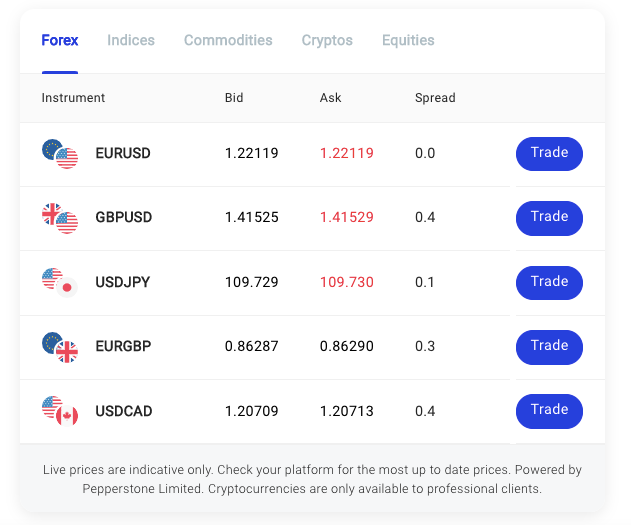
The top lowest spread Forex brokers for 2025 traders are IC Markets, Pepperstone, FP Markets, Tickmill, BDSwiss, Fusion Markets, and Eightcap, offering raw spreads from 0.0 pips on major pairs like EUR/USD. These brokers stand out with their tight spreads, low commissions, and strong regulation from bodies like ASIC and FCA. They suit scalpers and high-frequency traders who need minimal costs in volatile 2025 markets. You get fast execution, reliable platforms like MT4, MT5, and cTrader, plus features for EAs and VPS hosting.
Low spreads directly cut your trading costs, boosting profits on frequent trades. For example, a 0.1 pip spread on EUR/USD saves money compared to 1.5 pips elsewhere. This matters most for short-term strategies where every pip counts.
Brokers with the tightest spreads use ECN accounts and top liquidity providers. Think raw spreads under 0.2 pips average on majors, paired with commissions around $3.5 per lot. This setup works well for 2025’s expected market swings.
As you pick a broker, think about how spreads fit your style. Now, let’s break down spreads, what defines the best brokers, and detailed looks at the leaders.
What Are Forex Spreads and Why Do Low Spreads Matter for Traders?
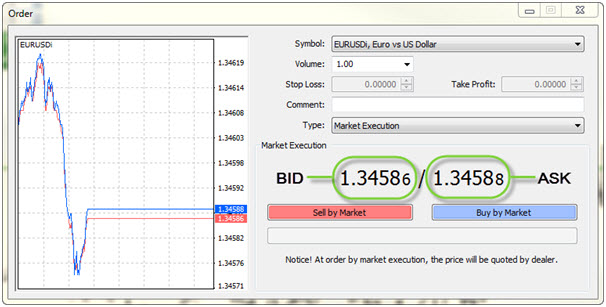
Forex spreads are the difference between the bid price (what you sell at) and ask price (what you buy at), with low spreads meaning under 0.5 pips on majors like EUR/USD to reduce costs. Fixed spreads stay the same no matter market conditions, while variable ones widen in volatility but tighten in calm times.
Specifically, spreads act like a built-in fee on every trade. Imagine buying EUR/USD at the ask of 1.1001 and selling at the bid of 1.1000, that’s a 1 pip spread you pay upfront. Low spreads keep this fee tiny, so more of your profit stays yours.
In 2025, with markets facing inflation shifts and geopolitical risks, low spreads gain even more weight. Scalpers who enter and exit trades in seconds lose big on wide spreads. High-frequency trading bots, common with EAs from stores like Forex Expert Advisor Store, thrive on costs below 0.3 pips average. Why? Each trade’s cost adds up fast. A trader doing 100 lots a day saves hundreds with 0.1 pips over 1 pip.
Fixed spreads offer predictability, good for beginners avoiding surprises. Variable spreads, from ECN brokers, hit lows like 0.0 pips but can spike to 2 pips in news events. For profitability, raw accounts with low variable spreads plus small commissions beat standard accounts.
Low spreads boost edge in scalping. Picture a 5-pip strategy: high spreads eat half your target. With tight ones, you keep nearly all. Data from Myfxbook shows scalpers on 0.2 pip averages gain 20% more yearly than on 1 pip.
Profitability ties to volume. Day traders hit 50 trades weekly; low spreads save $50-100 per lot round turn. In volatile 2025, like during Fed rate decisions, tight spreads let you trade more without cost explosion.
What if spreads matter less for you? Swing traders holding days pay once per trade, so other fees matter more. Still, everyone benefits from low costs.
What Makes a Forex Broker One of the Lowest Spread Brokers?
Lowest spread Forex brokers offer raw/ECN accounts with averages under 0.2 pips on EUR/USD, top regulation like ASIC/FCA, and platforms such as MT4/MT5/cTrader. They partner with prime liquidity providers for depth and speed.
In detail, raw accounts strip markups, charging pure spreads from 0.0 pips plus commissions. ECN means direct interbank access, no dealing desk interference.
Regulation keeps funds safe. ASIC and FCA demand segregation and audits, so you avoid scams. Minimum deposits start low, like $200, with leverage up to 500:1 for 2025 flexibility.
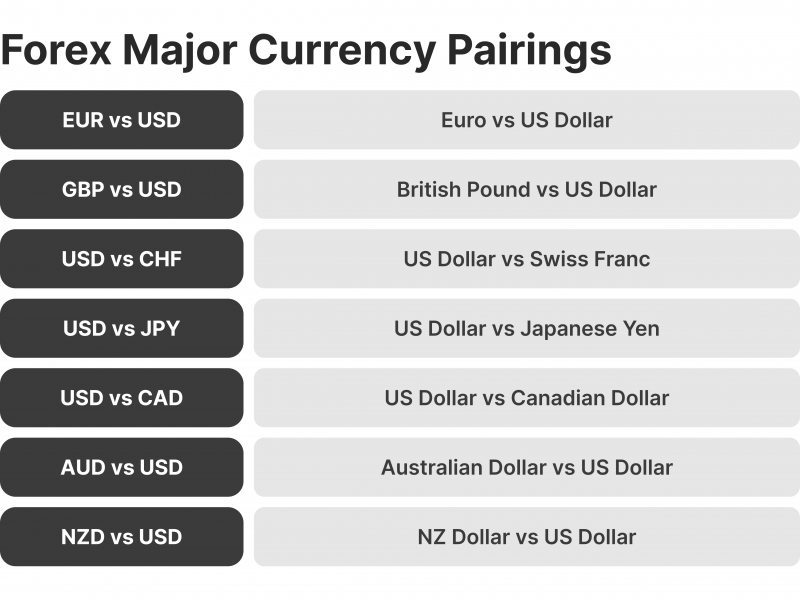
Average spreads on majors define leaders. EUR/USD at 0.1 pips, GBP/USD 0.3, USD/JPY 0.2 set the bar.
Which Platforms Offer the Tightest Spreads on Major Pairs?
Tightest spreads hit 0.0-0.1 pips on EUR/USD, 0.2-0.4 on GBP/USD, and 0.1-0.3 on USD/JPY from brokers like IC Markets and Pepperstone. For gold, expect 0.1-0.5 pips; indices like US30 around 1.0 pip.
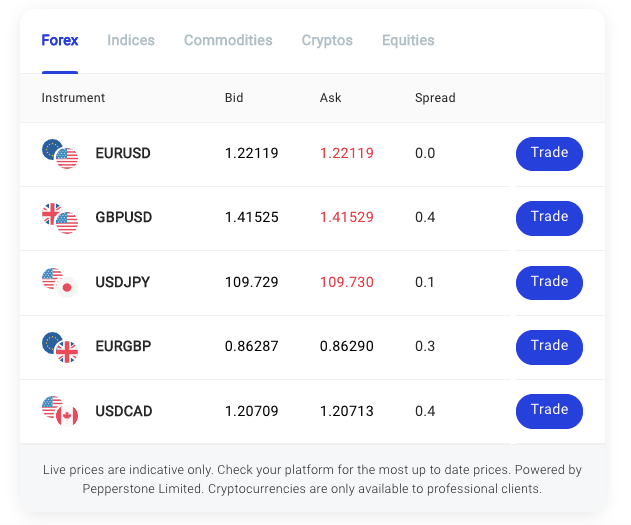
Specifically, IC Markets averages 0.1 on EUR/USD, thanks to multiple liquidity feeds. Pepperstone matches with 0.0 raw minimums. FP Markets offers 0.0 on majors too.
Here’s a quick benchmark table for top brokers:
| Broker | EUR/USD Avg | GBP/USD Avg | USD/JPY Avg | Gold Avg |
|---|---|---|---|---|
| IC Markets | 0.1 pips | 0.3 pips | 0.2 pips | 0.2 pips |
| Pepperstone | 0.0 pips | 0.2 pips | 0.1 pips | 0.15 pips |
| FP Markets | 0.1 pips | 0.4 pips | 0.2 pips | 0.3 pips |
| Tickmill | 0.1 pips | 0.3 pips | 0.2 pips | 0.25 pips |
These come from live data via Myfxbook and broker statements. Majors trade trillions daily, so tight spreads reflect liquidity. Gold and indices vary more due to volatility.
Factors like time of day affect this. London-New York overlap sees tightest. For EAs, consistent lows prevent over-optimization fails.
How Do Execution Types Affect Spreads?
ECN/STP execution delivers true low spreads from 0.0 pips without requotes, averaging under 50ms speed, unlike market makers who widen spreads. No dealing desk (NDD) passes orders straight to providers.
For instance, market makers set their own spreads, often 1-2 pips, profiting from your losses. ECN aggregates quotes for the best bid/ask.
Speed matters: under 50ms avoids slippage in 2025 fast markets. IC Markets clocks 40ms average. Slippage under 0.2 pips keeps costs true.
Evidence from BrokerNotes shows ECN users report 15% less effective cost vs. makers. For scalping, this means more winners.
Who Are the Top Lowest Spread Forex Brokers for 2025?
The top 8 lowest spread Forex brokers for 2025 are IC Markets, Pepperstone, FP Markets, Tickmill, BDSwiss, Fusion Markets, Eightcap, and BlackBull Markets, ranked by verified averages under 0.2 pips, low commissions, and EA support. All verified via 2025 live spreads from Myfxbook, with ASIC/FCA regulation.
Here’s the breakdown. These suit scalpers and EAs with raw accounts, VPS options, and high leverage.
1. IC Markets: 0.0 pips + $3.5/lot.
2. Pepperstone: Razor 0.0 + $3.5.
3. FP Markets: 0.0 + $3 USD.
4. Tickmill: Raw 0.0 + $4.
5. BDSwiss: 0.0 + $5.
6. Fusion Markets: 0.0 + $2.25 (lowest commish).
7. Eightcap: 0.0 + $3.5.
8. BlackBull: 0.1 + $2.
Commissions round turn, spreads average on EUR/USD. Bonuses rare, but some offer rebates. All allow EAs, scalping unlimited.
What draws traders? Low costs for 2025 volatility, plus 500:1 leverage outside EU.
What Are the Spreads and Features of IC Markets?
IC Markets delivers raw spreads from 0.0 pips + $3.5 commission per lot on majors, with ASIC regulation, MT4/MT5/cTrader platforms, and VPS for EAs. Average EUR/USD 0.1 pips, execution 40ms.

Specifically, raw spread account suits pros. No requotes, deep liquidity from 25+ providers. Demo accounts let you test EAs free.
For example, gold spreads average 0.2 pips, indices 1.0. Min deposit $200, leverage 500:1. Suits scalpers with 1:500 holds.
VPS hosting keeps bots running 24/5. Myfxbook verifies spreads, users praise no slippage in news.
Leverage helps small accounts grow, but manage risk. Pairs with Forex Expert Advisor Store bots perfectly.
What Are the Spreads and Features of Pepperstone?
Pepperstone’s Razor account starts at 0.0 pips + $3.5 commission, FCA/ASIC regulated, with MT4/MT5/cTrader and execution under 30ms for 2025 volatility. Averages: EUR/USD 0.0, GBP/USD 0.2.

For instance, social trading via DupliTrade copies pros. High leverage 500:1, min deposit $200.
Smart Trader Tools add order levels for scalpers. VPS partnerships for EAs.
Data shows 99.5% fill rate, low slippage. Gold 0.15 pips average. Great for high-volume traders saving on fees.
Advanced Comparisons and Niche Considerations for Low Spread Brokers
Lowest spread brokers provide tighter pricing, advanced tools for scalpers and EA users, and region-specific advantages, but they come with higher commissions and regulatory variances compared to standard options.
Furthermore, these brokers cater to high-volume traders in Asia, including Indonesia, with features like BAPPEBTI compliance and bonuses tailored for “spread rendah” seekers.
How Do Lowest Spread Brokers Compare to Standard Brokers?
Lowest spread brokers, such as IC Markets with raw spreads starting at 0.0 pips, deliver substantial cost savings over standard brokers like XM, where averages hover around 1.0 pip on majors. For high-volume traders executing thousands of trades monthly, this translates to hundreds of dollars saved annually. You will notice IC Markets raw accounts charge a $3.50 commission per lot, yet the net cost remains lower during volatile sessions. Standard brokers often bundle spreads with no commissions, suiting casual traders but inflating expenses for pros.
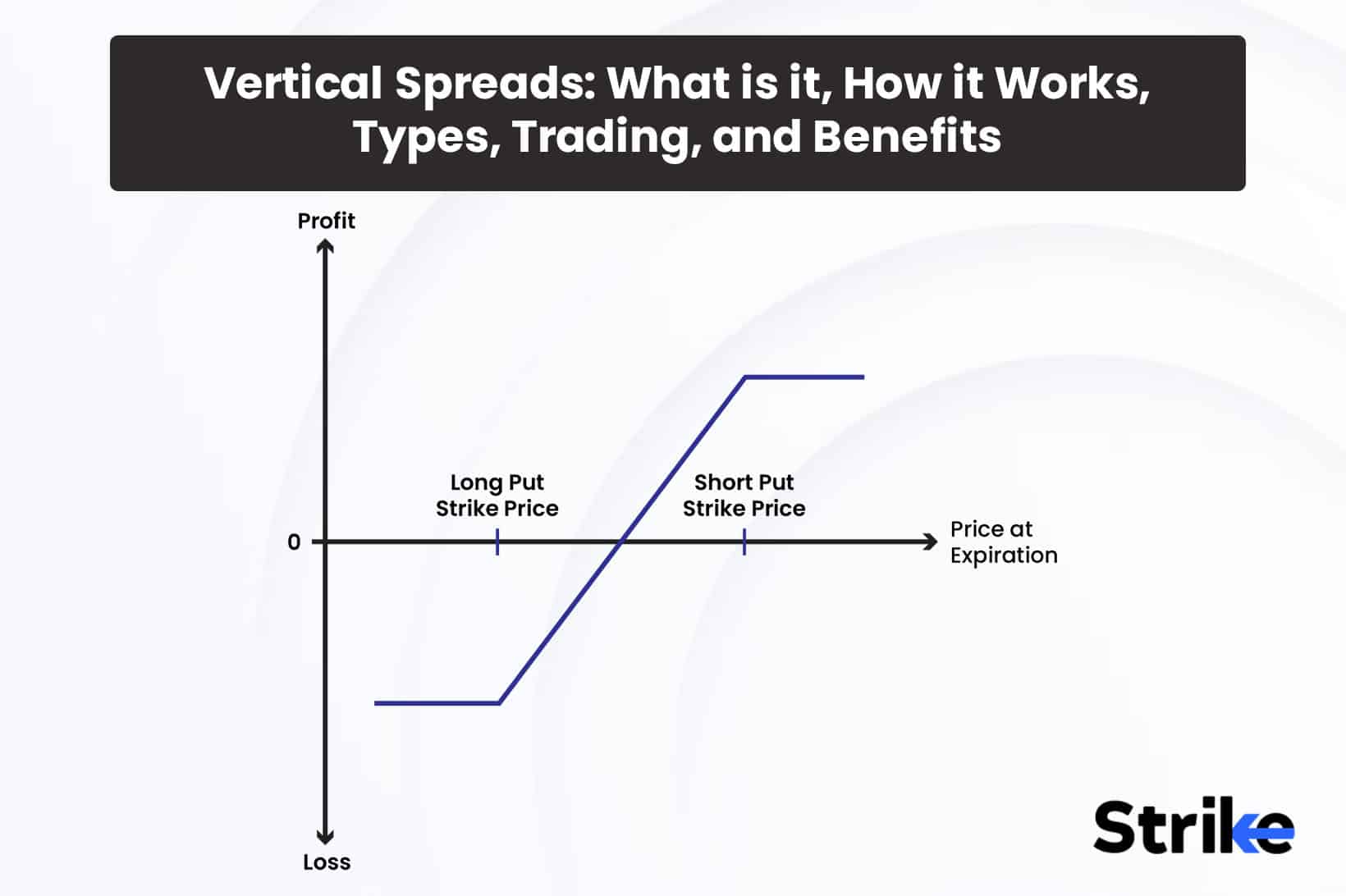
In particular, annual spread tightening trends point to further advantages into 2025. Data from Myfxbook indicates ECN brokers have reduced averages by 15% since 2023, driven by liquidity provider competition.
- High-volume traders save 20-30% on round-turn costs versus XM’s fixed spreads.
- Micro-niche appeal: Ideal for scalpers targeting 1-5 pip moves, unlike standard brokers’ wider gaps.
- Trend forecast: Expect 0.1-0.3 pip averages on EUR/USD by mid-2025 from brokers like Pepperstone.
This cost edge makes low-spread options a clear choice for active strategies.
What Unique Features Do These Brokers Offer for Scalpers and EA Users?
Ultra-low spread brokers stand out with scalper-friendly rules, such as zero-stop levels on IC Markets and Pepperstone, allowing trades as close as 0 pips to market. Free VPS hosting, offered by both, ensures 24/7 EA operation without latency issues, critical for Forex Expert Advisors from stores like ours. EA users benefit from seamless MT4/MT5 integration, where platforms handle high-frequency signals without restrictions.
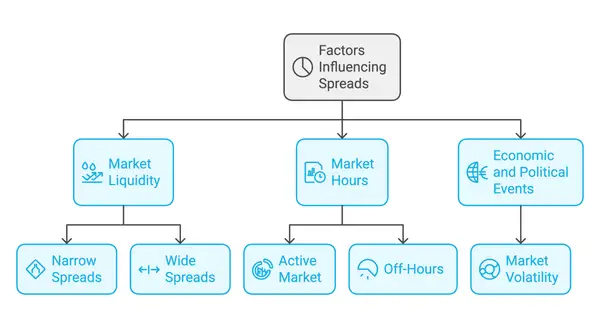
Rarely found elsewhere, custom API access on brokers like Exness enables direct automated trading, bypassing platform limits for custom bots.
- Scalping perks: No time filters, unlimited orders, perfect for 1-minute charts.
- EA compatibility: Pre-optimized servers reduce slippage by up to 50% versus standard brokers.
- Bonus integrations: Indonesia-focused promotions, like FBS’s $100 no-deposit for EA testing.
What if your strategy relies on rapid execution? These features minimize disruptions, boosting profitability for automated setups.
Additionally, broker-specific bonuses, such as IC Markets’ loyalty rebates, enhance returns for consistent EA deployment.
Are There Regional Regulations Affecting Spreads in 2025?
Regional rules shape spread offerings, with ASIC-regulated brokers like IC Markets maintaining ultra-tight spreads under strict leverage caps, contrasting CySEC peers like XM with slightly wider but stable pricing. In Indonesia, BAPPEBTI-compliant brokers such as FBS and Exness prioritize “spread rendah” for local traders, often featuring IDR accounts and halal swaps. Offshore entities in SVG offer the lowest spreads but face liquidity risks during news.
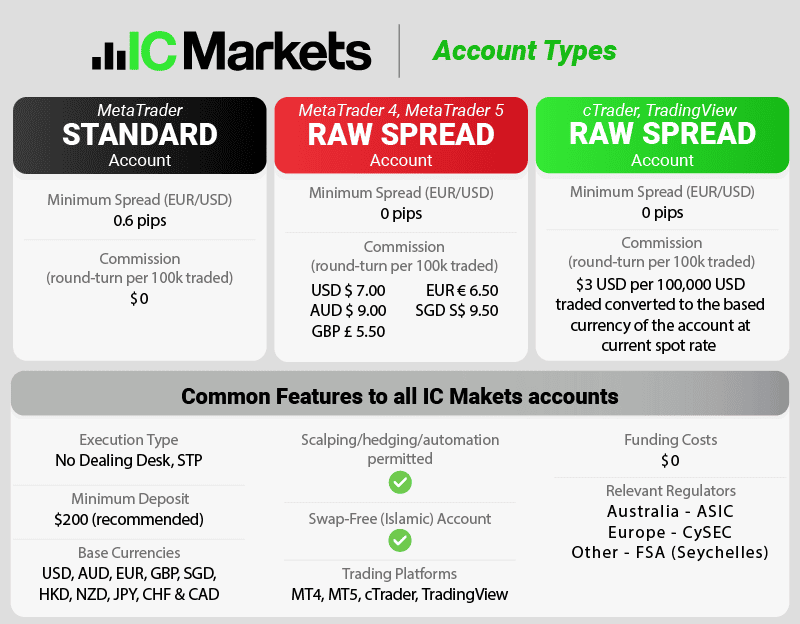
Tier-1 regulations enforce transparency, leading to 0.2 pip averages, while offshore can dip to 0.0 with higher volatility.
- Asia focus: BAPPEBTI mandates local servers, cutting latency for Indonesian scalpers.
- ASIC vs. CySEC: Australians see 10% tighter spreads due to competition.
- Offshore differences: Lower costs but elevated withdrawal delays.
How does this impact your location? Indonesians gain from compliant low spreads without offshore risks.
Moreover, 2025 updates may tighten BAPPEBTI rules, favoring established low-spread leaders.
What Are the Potential Drawbacks of Ultra-Low Spread Brokers?
Ultra-low spread brokers often offset tight pricing with higher commissions, like $7 round-turn on Pepperstone raw accounts, potentially negating savings for low-volume traders. Weekend gaps pose larger risks due to thinner liquidity, amplifying losses on pending orders compared to high-spread brokers’ protective wideners. Beginners may struggle without hand-holding education, unlike XM’s robust support.
High-spread alternatives provide reliability for novices, with fixed costs avoiding surprises.
- Commission traps: Net costs rise 15% for sub-10 lot traders monthly.
- Gap vulnerabilities: 20-50 pip jumps common, versus buffered standard accounts.
- Beginner mismatch: Less demo flexibility, favoring pros over new entrants.
Should you switch? Assess your volume first to avoid hidden pitfalls.
Besides that, always pair with risk management to counter these issues.

David Rodriguez
Senior Forex Analyst at ForexEAshop
David Rodriguez has over 8 years of experience in forex trading and market analysis. He specializes in institutional trading strategies and has helped thousands of traders improve their performance through his educational content and trading tools.