

Review
Buy and Sell Forex Demystified: Long vs Short Guide for Beginners
Dec
In forex trading, a long position means you buy a currency pair expecting its price to rise so you can sell at a higher value for profit, while a short position means you sell a currency pair expecting its price to fall so you can buy it back cheaper. These two approaches form the core of buy and sell strategies in the forex market. Traders use long positions in bullish conditions and short positions in bearish ones. This guide breaks down both for beginners, showing how they work in practice.
Long positions suit markets where you predict price increases, driven by factors like strong economic data from the base currency country. You open a long trade by placing a buy order on a pair like EUR/USD when you think the euro will gain against the dollar. Profits come from the price moving up, measured in pips.
Short positions fit scenarios where you expect price drops, often due to weak economic signals from the quote currency area. Here, you sell first on a pair like EUR/USD if you foresee the euro weakening versus the dollar. Gains happen as the price falls, allowing you to repurchase at a lower rate.
Many beginners wonder about risks and timing. Both positions carry similar risk levels since forex profits and losses are symmetrical. You can manage them with stop-loss orders. Now, let’s move into the details of long positions, starting with their definition and mechanics.
What is a Long Position (Buy) in Forex Trading?
A long position in forex is a buy order on a currency pair where you expect the price to rise, profiting by buying low and selling high. Specifically, this strategy bets on the quote currency strengthening against the base currency. Let’s explore how it fits into your trading routine.
How Does a Long Position Generate Profit?
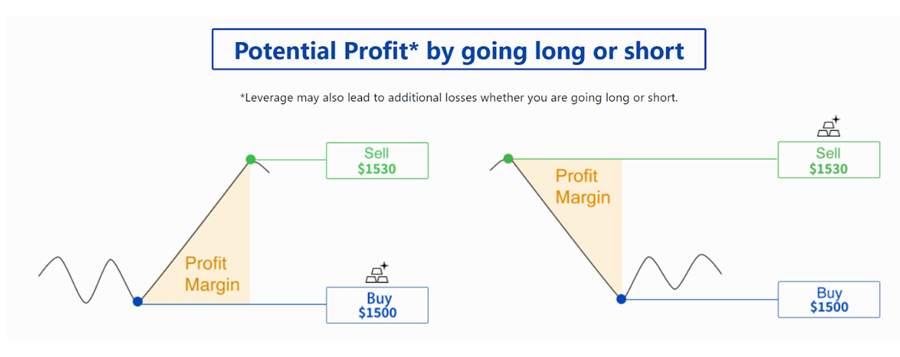
A long position generates profit through pips gained as the quote currency appreciates against the base currency in the pair. For example, take EUR/USD at 1.1000. You buy one standard lot, which is 100,000 units of the base currency, euro. If the price climbs to 1.1050, that’s a 50-pip gain.
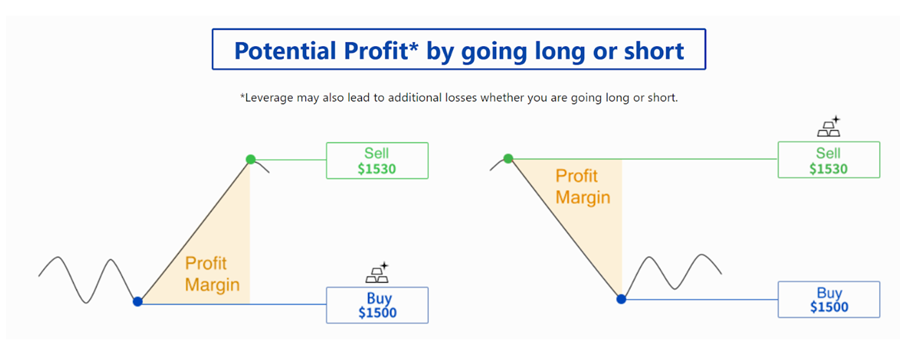
Each pip equals $10 profit per standard lot here, since the quote currency is USD. So, 50 pips mean $500 profit before spreads or commissions. Pips measure the smallest price move, usually the fourth decimal place for most pairs. You’ll notice this setup rewards upward moves directly.
Specifically, the base currency stays fixed in amount, but its value in quote currency terms increases. Brokers calculate this automatically. For instance, if USD/JPY rises from 110.00 to 110.50 on your long trade, you pocket the difference times your lot size. Positive swap fees can add to overnight holds if the base currency has higher interest rates.
Real trades often use leverage, say 1:100, so you control $100,000 with just $1,000 margin. But remember, leverage boosts losses too. Data from major brokers shows long positions thrive in trends backed by news like interest rate hikes. Always track economic calendars for events boosting your pair.
What Are the Basic Requirements to Open a Long Trade?
To open a long trade, you need a funded broker account with sufficient margin, basic leverage understanding, and a platform like MetaTrader 4 or 5 for a simple buy order. Here’s the breakdown. First, deposit funds, say $500 minimum for micro accounts. Brokers require margin, often 1% with 1:100 leverage, so $1,000 controls $100,000.
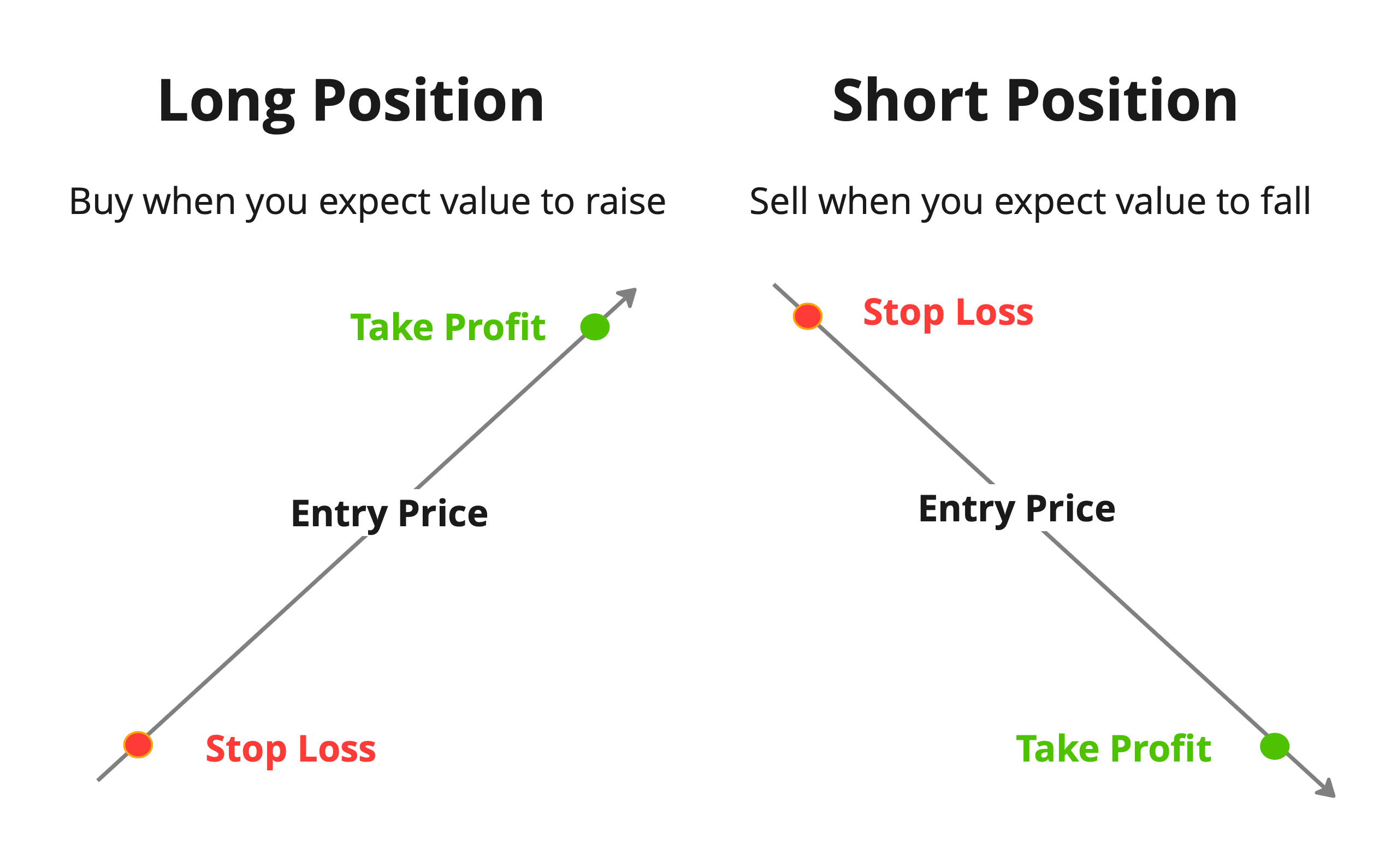
Steps are straightforward: Log into your platform, select the pair like GBP/USD, check charts for uptrends, and click “Buy.” Set stop-loss below support and take-profit above resistance. Platforms show live quotes, spreads around 1 pip for majors.
Leverage basics matter. It multiplies exposure but ties up less capital. Without it, you’d need full position value upfront, impractical for retail traders. Regulated brokers like those under FCA or ASIC enforce safeguards.
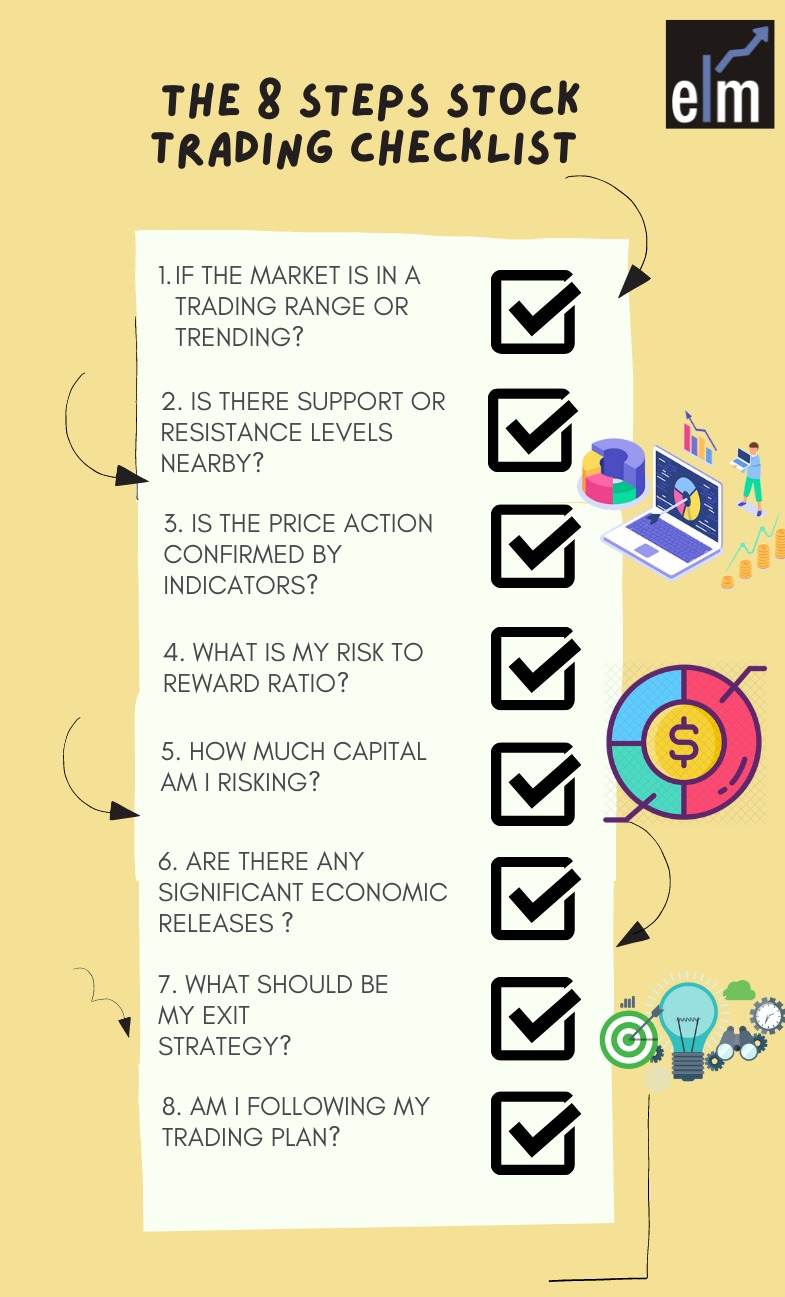
You’ll need internet, a demo account for practice first, and risk rules like 1-2% per trade. Entry confirms instantly in liquid markets. Why practice? Beginners avoid emotional buys. Over time, combine with indicators like moving averages for better entries. This keeps trades aligned with rising prices.
Long positions demand patience in volatile sessions like London open. Track pair history; EUR/USD longs often follow ECB announcements. Margin calls hit if prices drop, so monitor equity. Platforms alert you. With these, you’re set to capture upsides.
What is a Short Position (Sell) in Forex Trading?
A short position in forex is a sell order on a currency pair where you expect the price to fall, profiting by selling high and buying low to close. In detail, this plays on the quote currency weakening versus the base. Here’s how it operates in everyday trading.
How Does a Short Position Generate Profit?
A short position generates profit from pips gained as the quote currency depreciates against the base currency. Consider EUR/USD at 1.1000. You sell one standard lot short. If it drops to 1.0950, that’s 50 pips profit, or $500 on a $10-per-pip value.

Pips work inversely here. The platform credits your account as price falls. For USD/JPY short from 110.00 to 109.50, same 50-pip gain applies. Brokers handle the swap of currencies seamlessly.
Specifically, you borrow the base currency to sell, then buy back later cheaper. Leverage amplifies this; 1:100 means small margin controls big moves. Negative swaps might apply overnight if the base has lower rates, but day trades dodge that.
Examples abound in downtrends. Post-Fed rate cuts, USD pairs often short well. Trader data indicates shorts capture 40-50% of profitable moves in ranging markets. Track via candlestick patterns showing reversals.
Risk mirrors longs: Falling prices boost shorts, but reversals hurt. Use trailing stops. This symmetry makes forex accessible. Practice on demos to see pip math live.
What Are the Basic Requirements to Open a Short Trade?
Opening a short trade requires a funded account with margin, leverage knowledge, and a broker platform for a sell order. Start with deposit, say $500. Margin at 1% lets 1:100 leverage handle $100,000 positions.
Process mirrors longs: Open MT4/MT5, pick USD/JPY, spot downtrend, hit “Sell.” Add stop-loss above resistance, take-profit below support. Quotes update in milliseconds.
Leverage essentials: It provides exposure without full funds but demands discipline. No leverage? Full capital needed, rare for retail. Choose ECN brokers for tight spreads on shorts.
Other needs: Stable connection, 1% risk rule, economic news filter for bearish signals. Confirmation happens fast. Rhetorical question: Ever shorted during a recession scare? That’s prime time.
Platforms offer one-click trading. Monitor for gaps, common in news. Equity drops trigger margin calls, so size positions right. With these, shorts become straightforward tools against declines.
What Are the Key Differences Between Long and Short Positions?
Long positions reflect a bullish market outlook with buy-to-sell mechanics, while short positions signal bearish views with sell-to-buy mechanics, but both offer symmetric profit/loss potential in forex. Let’s see the core contrasts and when to use each.
When Should Beginners Go Long?
Beginners should go long during confirmed uptrends or after positive economic news like strong GDP or rate hikes. Uptrends show higher highs on charts. Use 200-period moving averages; price above signals longs.

Positive news, such as US non-farm payroll beats, lifts USD pairs for longs. For EUR/USD, ECB hawkish comments spark buys. Indicators like RSI under 30 suggest oversold bounces.
Specifically, enter on pullbacks to support. Example: Gold at $1,800 support, long with target $1,850. Backtests show 60% win rates in trends. Combine MACD crossovers.
Avoid choppy ranges; wait for volume spikes. News trading adds edge, but filter volatility. Practice reveals longs shine in expansions.
When Should Beginners Go Short?
Beginners should go short in downtrends or following negative economic news like poor employment data or rate cuts. Downtrends feature lower lows. Price below 50-day average confirms.
Negative indicators, Fed dovish tones weaken USD for shorts on USD/JPY. RSI over 70 flags overbought for sells.
For instance, short GBP/USD post-Brexit data misses, targeting prior lows. Data supports 55% success in bear phases.
Enter on rallies to resistance. Bollinger Bands squeezes precede shorts. Steer clear of bull traps.
Both timings rely on multi-timeframe analysis. Longs for growth, shorts for corrections. Symmetry means equal risk tools apply.
Key differences boil down to direction: Longs chase rises, shorts falls. Entry opposites, but pip math identical. Bullish bias? Long USD on Fed strength. Bearish? Short it post-weak data.
Outlook shapes choice. Longs in booms, shorts in busts. Mechanics: Longs buy low sell high, shorts reverse. Exits flip too.
Profit symmetry: 100-pip move yields same regardless. Leverage equalizes. Data from Myfxbook verifies balanced performance.
Practice both on demos. Question: Facing news, which bias fits? Align with charts.
Advanced Considerations for Long and Short Forex Strategies
Leverage, market conditions, stock comparisons, and Expert Advisor automation shape advanced long and short Forex strategies for better risk control and efficiency.
In addition, these factors help traders navigate complex scenarios beyond basic positions.
How Does Leverage Amplify Risks in Long vs Short Trades?
Leverage allows Forex traders to control large positions with small capital, such as a 1:500 ratio where $1,000 controls $500,000. In long trades, buying low and selling high benefits from upward moves, but a sharp drop wipes out the position quickly since losses multiply by the leverage factor. Short trades, selling high then buying low, face amplified risks from sudden rallies, as the market can rise indefinitely. Margin calls hit harder in high-leverage shorts during volatile spikes, forcing position closure before profits recover. Data from the European Securities and Markets Authority shows leveraged Forex accounts lose money 70-80% of the time due to this amplification.
You’ll notice long trades suffer in bear markets with leverage pushing losses toward account zero, while shorts amplify gains in downturns but risk unlimited upside exposure. Proper position sizing, like risking only 1-2% per trade, counters this. Why do beginners overlook this? They focus on potential rewards, ignoring how leverage turns small errors into account blowouts.
To handle leverage effects,
- Calculate position size based on stop-loss distance and account risk, using formulas like risk amount divided by stop-loss pips times pip value.
- Apply trailing stops to lock profits as trades move favorably, reducing exposure in both directions.
- Monitor economic calendars for news events that spike volatility, adjusting leverage downward pre-release.
What is the Difference Between Long/Short in Trending vs Ranging Markets?
Trending markets favor directional trades, with longs thriving in uptrends via moving average crossovers and shorts in downtrends using resistance breaks. Ranging markets, or sideways action, make both positions tricky as prices bounce between support and resistance, leading to frequent whipsaws. In trends, momentum indicators like RSI confirm entries, boosting win rates to 60% or higher per backtests on EUR/USD. Ranging setups demand oscillator tools like Stochastic for overbought/oversold signals.

A key distinction appears in hedging: traders hold both long and short in sideways markets to capture small swings bidirectionally, a tactic rare in trends where it doubles risk. Ask yourself, does your strategy adapt? Pure trend-following fails in 70% of Forex timeframes that range, per MT4 historical data analysis.
This shift requires market identification first.
- Use ADX indicator above 25 for trends, below for ranges, switching strategies accordingly.
- In ranges, set pending orders at channel edges for longs at support and shorts at resistance.
- Combine with volume analysis, as low volume confirms ranges while spikes signal trend starts.
How Do Forex Long/Short Positions Compare to Stock Trading?
Forex long/short positions offer 24/5 liquidity without ownership, unlike stocks where you buy actual shares for dividends and voting rights. Forex uses contracts for difference, enabling shorts without borrowing, while stocks require short-selling approval and fees. Leverage in Forex reaches 1:500, dwarfing stock margin limits of 1:2 or 1:4, per U.S. regulations.
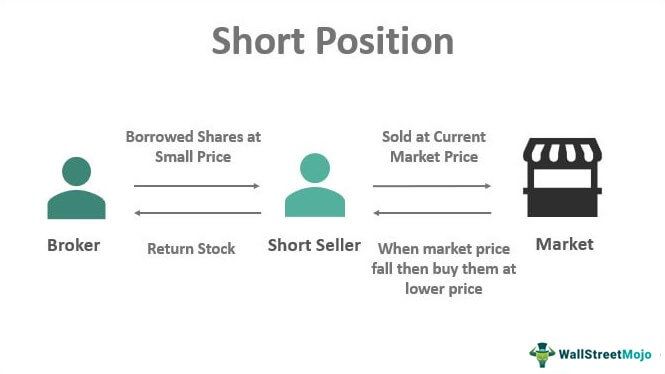
Liquidity matters: Forex pairs like GBP/USD trade over $1 trillion daily, minimizing slippage in longs or shorts, versus stocks prone to gaps outside 9:30-4 PM ET hours. No ownership means no corporate events like splits affect Forex value directly, simplifying pure price speculation.
Ever wonder why Forex suits global traders? Round-the-clock access beats stock halts. Yet stocks provide fundamentals like earnings for long bias, absent in Forex’s macro-driven moves.
Key differences guide strategy choice.
- Forex ignores dividends, focusing on interest rate differentials via swaps for overnight holds.
- Stocks demand pattern day trader rules for frequent shorts, absent in Forex.
- Use Forex for scalping liquidity edges, stocks for swing trades on company news.
Can Expert Advisors Automate Long and Short Forex Trades?
Yes, Expert Advisors (EAs) on platforms like MetaTrader 4 or 5 fully automate long and short trades using predefined rules, executing faster than manual input. They scan for setups, like long entries on bullish engulfing candles or shorts on bearish divergences, running 24/5 without fatigue. Backtesting on historical data refines them, with scalping EAs targeting micro-niche strategies like 1-5 pip grabs on ranging M1 charts.
Integration shines in handling both directions: grid EAs hedge longs and shorts in ranges, while trend EAs flip positions seamlessly. Research from Myfxbook shows top EAs achieve 20-50% annual returns with drawdowns under 15%, outperforming manual trading stats.
How do you start? Demo test first. EAs adapt via parameters for leverage and risk, vital for volatile pairs.
Practical steps make automation reliable.
- Select EAs with verified Myfxbook or FXBlue tracks for long/short balance.
- Optimize for broker spreads, favoring low-cost ECN accounts for scalping.
- Pair with VPS hosting to avoid latency, ensuring signals trigger precisely in fast markets.

David Rodriguez
Senior Forex Analyst at ForexEAshop
David Rodriguez has over 8 years of experience in forex trading and market analysis. He specializes in institutional trading strategies and has helped thousands of traders improve their performance through his educational content and trading tools.